Utah Governor Cox Prioritizes Literacy at Ogden Symposium
Governor Spencer Cox hosts a symposium in Ogden, emphasizing literacy as a statewide priority and addressing challenges in reading skills.

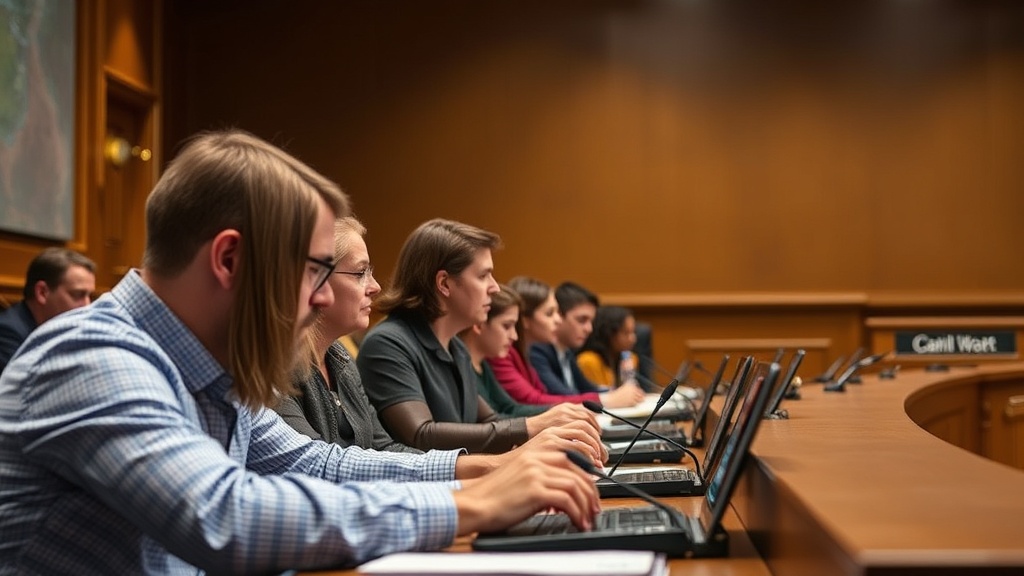
In a concerted effort to address the pressing issue of literacy in Utah, Governor Spencer Cox, accompanied by First Lady Abby Cox and Lieutenant Governor Deidre Henderson, hosted a literacy symposium in Ogden on Tuesday. The event, which attracted educators, policymakers, and community leaders, was designed to explore practical strategies for enhancing reading skills across the state. This initiative underscores the administration’s commitment to making literacy a statewide priority, a move that is essential as studies indicate that a significant number of Utah residents struggle with reading proficiency.
The symposium, held at a local community center, featured a series of interactive workshops and discussions aimed at identifying effective tools and resources that can be employed to improve literacy rates. Governor Cox emphasized that reading is not just a fundamental skill but a vital component of personal and professional success. "Literacy is the foundation upon which we build our future," he stated during his opening remarks. "It is crucial that we work together to ensure that every Utahn has the opportunity to read and succeed."
First Lady Abby Cox, who has been an advocate for educational improvement in the state, echoed the governor's sentiments. She pointed out that literacy is a gateway to better job opportunities and enhanced quality of life. "When we empower our citizens with the ability to read, we empower them to dream bigger and achieve more," she said. Her passion for this cause was evident as she shared personal anecdotes about the transformative power of reading in her own life.
The discussions at the symposium included various stakeholders from the education sector, including teachers, school administrators, and representatives from local libraries. Participants were encouraged to share their insights and experiences regarding literacy challenges in their communities. Many educators expressed concerns about the impact of the COVID-19 pandemic on reading skills, noting that several students have fallen behind in their literacy development due to prolonged school closures and remote learning.
One of the key topics discussed was the importance of early childhood education in fostering literacy. Experts highlighted the critical role that parents and caregivers play in developing reading habits from a young age. Several initiatives were proposed to support families, such as community reading programs and workshops designed to equip parents with the tools they need to encourage reading at home.
A panel of experts also addressed the need for targeted interventions in schools, particularly for students who are struggling with reading. They advocated for the implementation of evidence-based reading programs, increased access to reading materials, and professional development opportunities for teachers to enhance their instructional practices. "We need to be proactive in identifying students who need extra support and provide them with the resources they require to succeed," said a panelist who works with at-risk youth.
The symposium also featured success stories from various literacy programs already making a difference in Utah. For instance, local initiatives that combine technology with traditional reading methods were showcased, demonstrating how innovative approaches can engage students and help them develop a love for reading. Participants were encouraged to take inspiration from these programs and consider how similar models could be implemented in their own communities.
As the event drew to a close, Governor Cox reiterated the importance of collaboration among all stakeholders in the fight for literacy. He called on educators, parents, and community members to unite in their efforts to promote reading and literacy across Utah. "This is not just a responsibility for our schools; it is a shared commitment that requires the involvement of everyone," he stated firmly.
The Governor's Office plans to follow up on the symposium by developing a comprehensive literacy action plan, which will outline specific goals and strategies to improve reading rates statewide. This action plan is expected to be rolled out in the coming months, and it will serve as a roadmap for communities to enhance their literacy efforts.
In conclusion, the literacy symposium in Ogden marks a significant step toward addressing the literacy challenges faced by many Utahns. By prioritizing reading and fostering collaboration among various stakeholders, Governor Cox and his administration aim to create a brighter future for all residents of the state. The commitment to this cause reflects a broader recognition of the vital role that literacy plays in shaping successful individuals and communities. As Utah moves forward, the hope is that every citizen will have the opportunity to engage with the written word and unlock the doors to new possibilities and growth.