Utah Families Champion Newborn Screening for Creatine Deficiency Awareness
Two Utah families are advocating for newborn screening for Creatine Deficiency, raising awareness during Rare Disease Month.

In February, recognized as Rare Disease Month, two families from Utah are making significant strides in raising awareness and advocating for newborn screening for Creatine Deficiency Syndrome (CDS). This condition, though rare, can have profound impacts on newborns, leading to developmental challenges if not identified and treated early. By sharing their personal journeys and collaborating with healthcare professionals, these families aim to ensure that no child faces the long-term consequences of this treatable disorder.
Creatine is a vital compound that plays a significant role in energy production within cells, particularly in the brain and muscles. Creatine Deficiency Syndrome occurs when the body lacks the necessary enzymes to produce creatine, leading to a range of neurological and developmental issues. Symptoms can include intellectual disability, developmental delays, and motor skill impairments. The urgency of early diagnosis cannot be overstated, as timely intervention can help manage symptoms and improve quality of life for affected individuals.
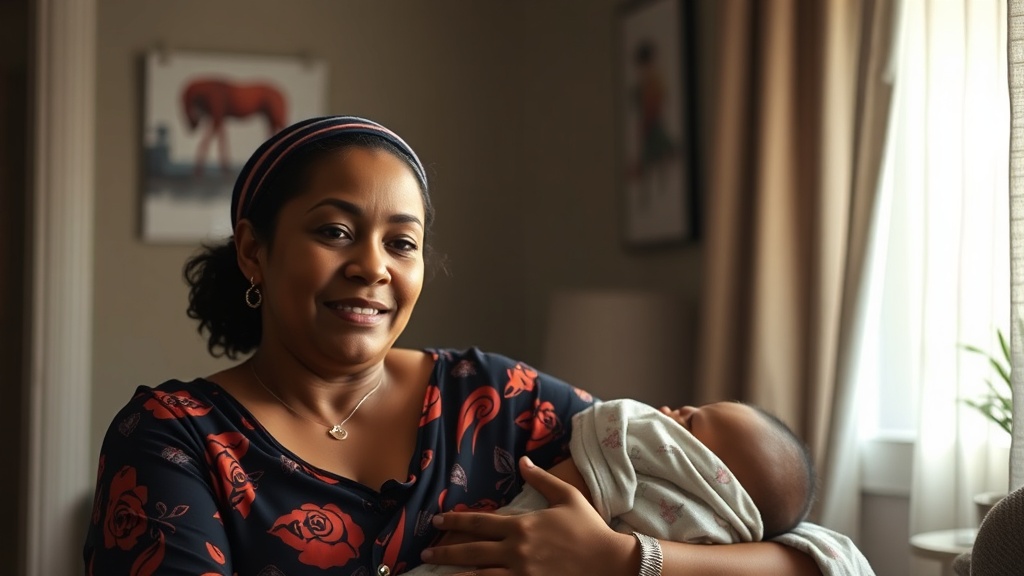
One of the families leading this advocacy is the Johnson family from Salt Lake City. Their story began when their newborn son, Ethan, exhibited signs of developmental delays. After months of uncertainty and a series of tests, doctors finally diagnosed him with creatine deficiency. "We felt lost and overwhelmed, but we were determined to find support and raise awareness," said Emily Johnson, Ethan's mother. The Johnsons started a social media campaign to share their experiences and educate other parents about the importance of newborn screening for this rare condition.
The second family, the Martinez family from Provo, has also taken a proactive stance. Their daughter, Sofia, was diagnosed with CDS shortly after birth. Her parents, Carlos and Maria Martinez, were initially devastated but quickly recognized the importance of spreading awareness. "We want to ensure that other families don’t have to go through the same struggles we did. Early screening can make all the difference," Carlos stated. The Martinez family has organized community events, engaging with local healthcare providers to promote the inclusion of creatine deficiency screening in routine newborn tests.
Despite the rarity of Creatine Deficiency Syndrome, the impact on families can be significant. Advocates argue that because of this, it is critical for healthcare systems to adopt comprehensive screening processes that include a wide range of rare diseases. According to the Centers for Disease Control and Prevention (CDC), early detection through newborn screening can lead to better management of conditions that, if left untreated, could result in serious health complications.
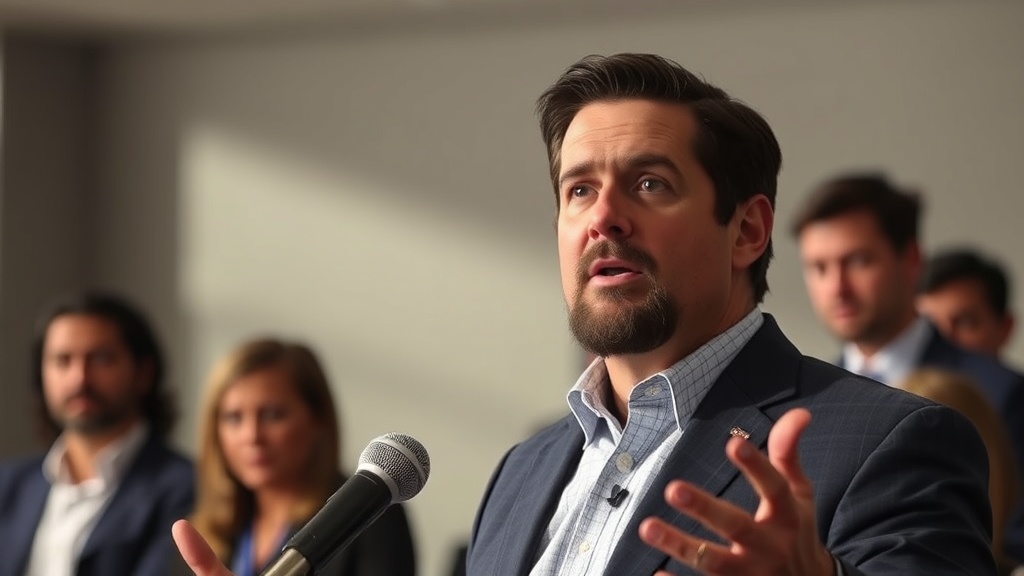
In Utah, the state has made progress in newborn screening, which currently includes testing for over 30 conditions, but advocates believe that creatine deficiency should be added to the list. "We need to advocate for policy changes that will allow for more comprehensive screening," said Dr. Jane Thompson, a pediatrician working closely with the Johnson and Martinez families. She emphasized the importance of collaboration between families, healthcare providers, and state health departments to ensure that every newborn receives the best possible start.
The impact of Rare Disease Month has provided a platform for these families to not only advocate for their children but also to connect with other families facing similar challenges. They have formed support groups that offer resources and emotional support for those dealing with the difficulties of rare diseases. Such connections are vital, as they foster community and understanding among families that often feel isolated due to the uniqueness of their situations.
The efforts of the Johnson and Martinez families have caught the attention of local lawmakers. Several legislators have expressed interest in drafting proposals to enhance newborn screening in Utah. Senator Lisa Adams, who has been involved in health care legislation, stated, "We need to ensure that our newborn screening protocols are updated to reflect the latest medical knowledge and advancements in genetic testing. It’s crucial to provide our children with the opportunity for healthy development."
In addition to legislative efforts, both families have actively engaged with medical researchers to promote studies on creatine deficiency. Their dedication has inspired a broader conversation about how rare diseases are perceived and treated within the healthcare system. By illuminating the challenges they have faced, these families are not only advocating for their children but also paving the way for future advancements in newborn screening.
As Rare Disease Month continues, the Johnson and Martinez families remain dedicated to their mission. They aim to ensure that creatine deficiency is recognized and screened for, ultimately leading to better outcomes for future generations. Their stories highlight an essential truth: that the fight against rare diseases is not just about individual experiences, but about fostering a community of support and pushing for systemic changes that benefit all families.
In closing, the efforts of these Utah families shine a light on the critical importance of early diagnosis and intervention in managing rare diseases like Creatine Deficiency Syndrome. By advocating for comprehensive newborn screening, they are not only changing lives but also creating a legacy of awareness that will resonate far beyond their local communities.