Utah Faces Hazy Skies and Poor Air Quality Due to Atmospheric Inversion
A high-pressure system in Utah is causing significant air quality issues, leading to health advisories and community action.
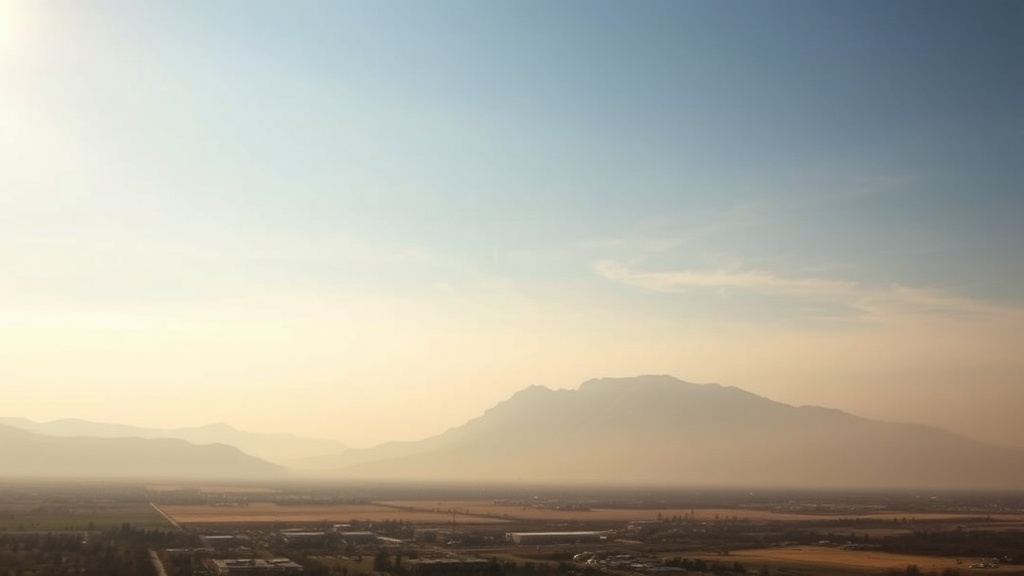
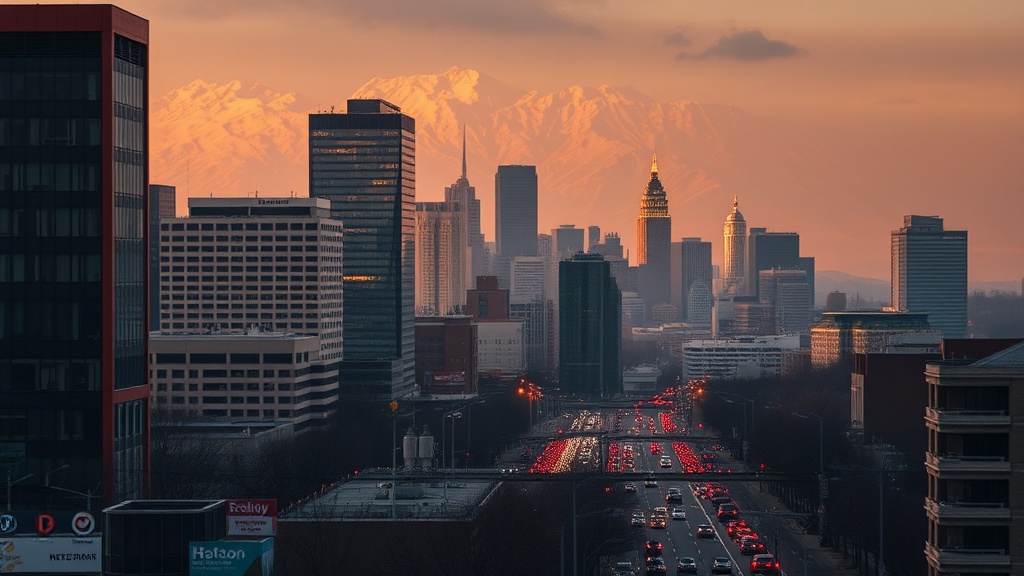
Utah residents are bracing for a week of hazy skies and deteriorating air quality as a significant ridge of high pressure settles across the western United States. This weather pattern is expected to lead to temperature inversions that trap pollutants and moisture close to the ground, resulting in increased air quality concerns for urban areas, particularly along the Wasatch Front.
Meteorologists predict that the high-pressure system will dominate the region, creating stable atmospheric conditions that inhibit the normal mixing of air. As a result, cooler temperatures are anticipated in the valleys, leading to a build-up of fog and haze. This phenomenon is particularly pronounced in Utah’s densely populated areas, where emissions from vehicles, industry, and other sources contribute to the deteriorating air quality.
According to the Utah Division of Air Quality (DAQ), the inversion phenomenon is not uncommon during winter months, but its severity can vary significantly based on weather patterns. "Inversions can trap air pollutants, leading to increased levels of particulate matter, which can negatively affect respiratory health, especially for vulnerable populations," stated DAQ spokesperson, Emily Adams. The agency has advised residents to limit outdoor activities, particularly for those with pre-existing health conditions, the elderly, and children.
This week, air quality monitoring stations across the state have reported moderate to unhealthy air quality levels, particularly in urban centers like Salt Lake City and Provo. The DAQ has classified the air quality in these areas as ‘Orange’ on the Air Quality Index (AQI), indicating that members of sensitive groups may experience adverse health effects. Residents are encouraged to stay informed through real-time air quality updates available on the DAQ website and mobile applications.
In addition to health concerns, the weather pattern poses challenges for local businesses and outdoor recreational activities. Many Utahns look forward to winter sports and outdoor excursions, but reduced visibility and poor air quality may deter these activities. Ski resorts in the region are monitoring conditions closely, as they rely on both weather patterns and clean air to attract visitors. "Our goal is to provide a safe and enjoyable experience for all our guests, and we’re keeping a close eye on air quality reports as conditions develop," said Mark Jensen, manager at a popular ski resort in Park City.
The situation is compounded by the fact that winter inversion events typically last several days, sometimes stretching into weeks. Historically, some of the worst air quality episodes in Utah have occurred during prolonged inversion periods. This prompts health officials to stress the importance of community awareness and personal responsibility. "It’s essential for individuals to take proactive measures, such as using public transportation or carpooling, to reduce vehicle emissions," Adams added.
In response to these ongoing air quality challenges, local governments and environmental organizations are working together to implement strategies aimed at improving the situation. Initiatives include increased awareness campaigns about the impacts of air pollution and promoting clean transportation options. Community workshops are also being organized to educate residents about the importance of energy efficiency and reducing emissions at home.
As Utah grapples with these environmental challenges, there’s also a broader conversation about the need for sustainable policy changes that address long-term air quality issues. Some advocates are calling for increased regulations on industrial emissions and incentives for electric vehicle use. "We must take a proactive approach to not only combat these inversions but also invest in cleaner technologies for the future," stated local environmentalist Laura Chen during a recent community forum.
While the current weather forecast indicates that the inversion may linger throughout the week, residents are reminded that conditions can change rapidly. Meteorologists are watching for potential storms that could disrupt the high-pressure system and bring relief from the inversion haze. Until then, everyone is encouraged to stay indoors when possible and monitor air quality levels closely.
As the week progresses, Utahns will need to navigate the challenges posed by the inversion while remaining hopeful for clearer skies and improved air quality in the near future. The health and well-being of the community depend on collective action and awareness as they endure these seasonal atmospheric phenomena.