Salt Lake City Faces Worst Air Quality in the Nation Due to Inversion
Salt Lake City is experiencing the worst air quality in the U.S. due to a temperature inversion, prompting health warnings for residents.
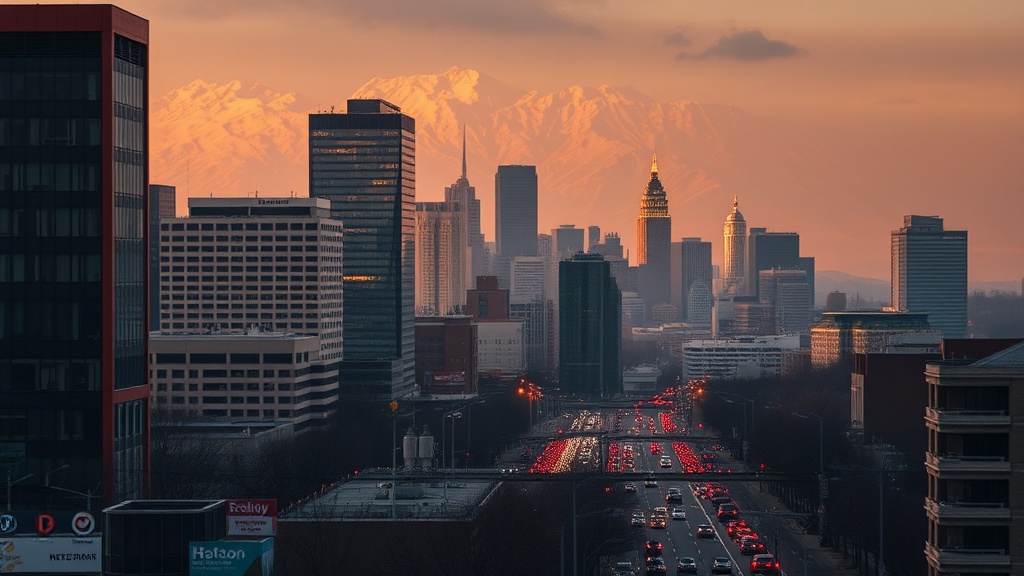
Salt Lake City, Utah, is grappling with a significant air quality crisis as it currently holds the unfortunate title of having the worst air quality in the United States. As of Monday morning, the Air Quality Index (AQI) for the city was measured at 69, placing it at the top of the national air quality rankings. However, in a global context, Salt Lake City ranks 56th, trailing far behind cities like Cairo, Egypt, which has an alarming AQI of 419. These figures highlight a growing concern about air quality in urban areas, particularly during the winter months when temperature inversions become prevalent.
The air quality classification for Salt Lake City is categorized as "Moderate," according to IQAir, a company that monitors and reports on global air quality conditions. While this may seem relatively benign, the situation is set to worsen. Local meteorologists predict that the inversion conditions currently affecting the region will intensify, pushing the air quality into the "Unhealthy for Sensitive Groups" category as early as Tuesday. This designation indicates that individuals with pre-existing health conditions, such as asthma or heart disease, should take precautions and limit their outdoor activities during this period.
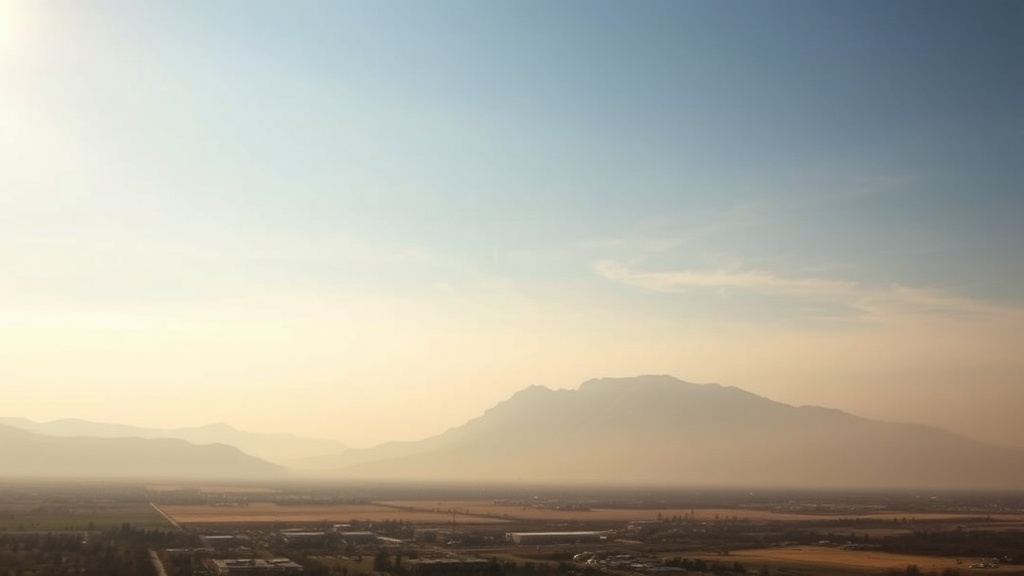
Damon Yauney, a local meteorologist, elaborated on the inversion phenomenon affecting the region. He explained that following a wet start to the new year, which had initially kept inversions at bay, a ridge of high pressure has settled over northern Utah, trapping cold air in the valleys. This weather pattern creates a lid effect, wherein warmer air sits above the cooler, denser air in the valleys, preventing pollutants from dispersing. The result is a buildup of particulate matter and other harmful substances in the air, leading to decreasing air quality.
The current inversion is a stark reminder of the environmental challenges faced by many cities during winter months. Inversions occur when a layer of warm air traps cooler air at the surface, which can lead to stagnation and increased pollution levels. The phenomenon is not unique to Salt Lake City; many urban areas in the western United States experience similar conditions, especially during the colder months.
As residents of Salt Lake City deal with the immediate impacts of poor air quality, officials are urging the public to stay informed and take necessary precautions. The Utah Department of Environmental Quality (DEQ) has been actively monitoring air quality levels and issuing advisories as needed. The DEQ encourages residents to check air quality reports regularly and to use resources like the AirView tool, which provides real-time data on air quality in specific neighborhoods.
Fortunately, relief may be on the horizon. Meteorologists are forecasting a storm front that is expected to move through the region by the end of the week. This system could help to disperse the stagnant air and clear out the pollutants that have been trapped over the city. However, until then, residents are advised to limit outdoor activities, especially those who belong to sensitive groups.
The implications of such poor air quality extend beyond immediate health concerns. Long-term exposure to elevated levels of air pollution has been linked to various health problems, including respiratory diseases and cardiovascular issues. This underscores the importance of addressing air quality challenges, particularly in urban settings where population density can exacerbate pollution levels.
As Salt Lake City grapples with this environmental challenge, it serves as a reminder of the broader issues of air quality management that many cities face. Efforts to improve air quality often involve a combination of policy initiatives, public education, and community engagement. Local governments and organizations are increasingly recognizing the necessity of sustainable practices and regulations that can mitigate the effects of air pollution.
In conclusion, while Salt Lake City currently faces the unfortunate distinction of having the worst air quality in the nation, the situation is fluid and may improve with forthcoming weather changes. Residents are encouraged to stay informed about air quality conditions and to take proactive measures to protect their health during this inversion period. The community's response to this environmental challenge will play a critical role in shaping the future of air quality in the region.