Utah Education Leaders Express Frustration Over Funding Cut Discussions
Utah education leaders express frustration over the state Board of Education's disorganized discussions on funding cuts impacting schools and students.

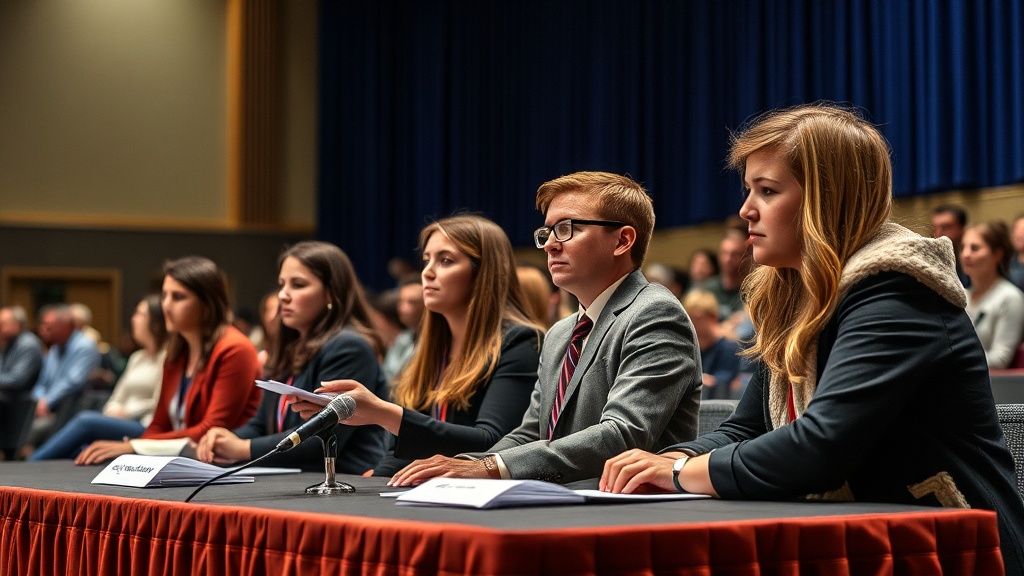
In a recent meeting, education leaders in Utah expressed significant frustration regarding the state Board of Education's handling of discussions surrounding proposed funding cuts. Robyn Bagley, the executive director of Utah Education Fits All, voiced her concerns about the board’s lack of preparation and unity during a critical conversation that could have far-reaching impacts on educational programs across the state. "I don't feel like the board was able to work together very well or that they were prepared for this discussion," Bagley stated. She emphasized the gravity of the situation, noting that determining which educational programs would face cuts is a task laden with responsibility and heavy expectations.
The meeting, which lasted only two hours, was described by Bagley as disjointed and marked by disagreements among board members. This chaotic environment led to a recommendation that she found unsatisfactory, contributing to her feelings of frustration. "To be able to cram that into two hours when they were so disjointed and disagreeable with one another and then put that forward as a recommendation left me very frustrated," she said.
Utah Education Fits All administers a universal scholarship program designed to empower families with customizable learning options. This initiative provides up to $8,000 per year for a variety of educational avenues, including private schooling, homeschooling, and tutoring. The program has been instrumental for many families, especially in light of the evolving educational landscape in Utah.
Bagley pointed out that the discussions about funding cuts are particularly concerning given that the state Board of Education has historically not shown support for the Utah Fits All movement. Despite these frustrations, she noted that the ultimate decision regarding educational funding lies with the state lawmakers, who control the budget. "We haven't heard anything negative at this point," she remarked about the current funding situation. Last year, the state appropriated $40 million for the Utah Education Fits All program, with $20 million allocated for the current school year and another $20 million earmarked for the following year. As of now, no indications have been made that this funding will be retracted or reduced.
Currently, the Utah Education Fits All program boasts an enrollment of 14,635 students, a number that Bagley anticipates will exceed 20,000 in the near future. This increase reflects a growing demand for alternative educational options among families in Utah, particularly as the state continues to grapple with various educational challenges.
The ongoing discussions about potential budget cuts have raised alarms among educators, parents, and stakeholders who worry about the impact such cuts could have on essential services, including mental health resources for students. These resources are vital for supporting students' overall well-being and academic success, making the potential for cuts particularly troubling.
The board's recent meeting and the surrounding discussions underscore the complexities involved in educational funding in Utah. As various stakeholders await clarity on the future of educational funding, it is imperative for the state Board of Education and lawmakers to collaborate more effectively. The dialogue initiated by education leaders like Bagley reflects a broader concern within the community about the educational system’s ability to meet the diverse needs of its students. The outcome of these discussions and the decisions made by lawmakers will have significant implications for the future of education in Utah, particularly for programs designed to offer families flexibility and choice in their children's learning.
In light of the current situation, education advocates are calling for more transparent and organized discussions moving forward. The need for a cohesive strategy that prioritizes educational quality and the well-being of students is paramount as the state navigates these challenges. The coming weeks will be critical as stakeholders monitor the developments in funding discussions and their potential impacts on Utah’s educational landscape.