Utah Community Reacts to Maduro's Capture Amid Protests and Concern
Protests in Utah highlight community concerns over U.S. military action in Venezuela after Maduro's capture, sparking debate over foreign intervention.
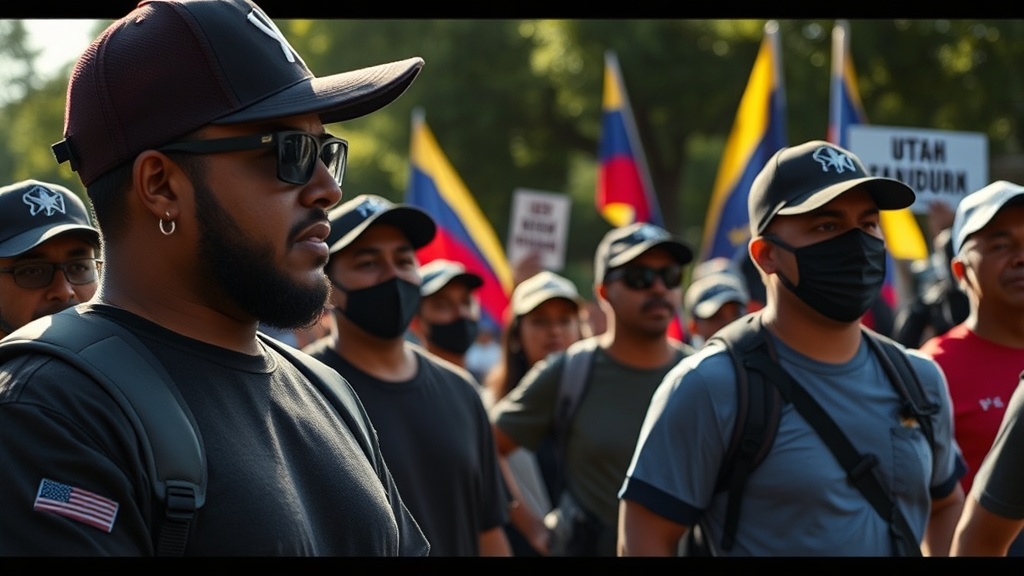
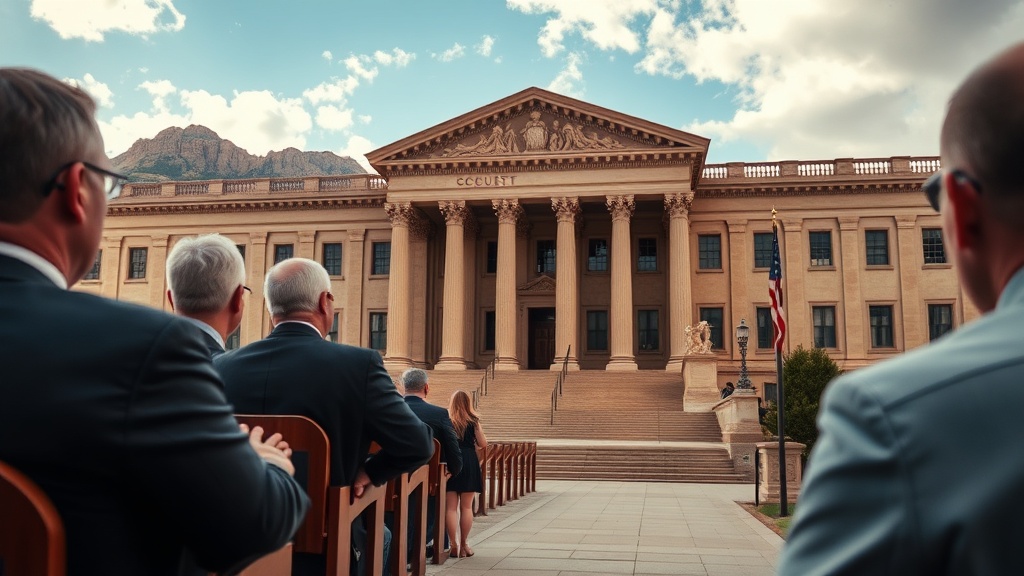
On January 5, 2026, Salt Lake City became a focal point of national debate when approximately 50 protesters gathered outside the Wallace F. Bennett Federal Building to express their opposition to the U.S. military strike that led to the capture of Venezuelan President Nicolás Maduro. This event, which was characterized by its unexpected nature and lack of Congressional approval, has prompted a complex response from the local Venezuelan community and wider public, underscoring the challenges surrounding foreign intervention and its implications for democracy.
Patricia Quiñonez, a prominent member of Utah's Venezuelan community and the founder of Utahzolanos, a social media outlet dedicated to raising awareness about Venezuelan issues, described the recent developments as having a "bittersweet taste." For over 25 years, many Venezuelans have fought for democracy in their homeland, and while the capture of Maduro may signify a turning point, it has also raised questions about the role of foreign military intervention in achieving that goal. "We are deeply grateful that the United States is supporting us in the fight for freedom and that Maduro and his wife are now imprisoned, but the weight of uncertainty overwhelms us, preventing us from celebrating as we would like," Quiñonez explained.
The ambivalence felt by Quiñonez and others in the Venezuelan community stems from concerns about the future of their country. Many are anxious about the potential ramifications of the U.S. military's actions, particularly regarding the status of Venezuelans seeking asylum in the U.S. and the stability of Venezuela's government and economy. "What will become of our nation, its government, economy, and oil reserves?" she questioned, highlighting the complexity of the situation.
As the protests unfolded, demonstrators voiced their concerns about the lack of Congressional oversight regarding military actions abroad. Sarah Buck, a protest organizer with the group Salt Lake Indivisible, emphasized the need for citizens to remain vigilant in the face of such actions. “It really is shocking, and it can’t shock us into silence. It has to shock us into action,” Buck stated, rallying the crowd to urge Utah Senators Mike Lee and John Curtis to support legislation that would require Congressional approval for future military interventions.
The protesters chanted slogans such as "No blood for oil," reflecting a widespread sentiment that U.S. interests may be driving military actions rather than genuine humanitarian concerns. Kathy Van Dame, a demonstrator from Murray, expressed her fears that the situation could mirror previous conflicts in Iraq and Afghanistan. "It upsets the international rule of law," she said, adding that such military strikes align with authoritarian regimes’ narratives about global power dynamics. "It goes along with Putin and Xi’s idea of the new world order, that might makes right."
In the political landscape, Utah Governor Spencer Cox shared a post on social media supporting the military strike, praising Vice President JD Vance's defense of the action. Vance characterized the United States as a resurgent global power, stating, "The United States, thanks to President Trump’s leadership, is a great power again. Everyone should take note." Cox echoed this sentiment, expressing gratitude for what he termed decisive action against "narco-terrorism" and accountability for bad actors like Maduro.
The divergent views among Utah residents illustrate the complexities of U.S. foreign policy and its impact on both local communities and international relations. As the dust settles from this military intervention, the long-term implications for Venezuela, its citizens, and the global community remain uncertain. The protests in Salt Lake City reflect a broader national dialogue about the ethics and effectiveness of military intervention as a tool for promoting democracy and stability abroad.
As the situation develops, community leaders and residents alike will be watching closely, grappling with their hopes for a democratic Venezuela while questioning the means by which such changes are achieved. The protests serve as a reminder that while the capture of Maduro may represent a significant moment in Venezuelan politics, the path forward remains fraught with challenges and questions that extend far beyond the borders of the South American nation.