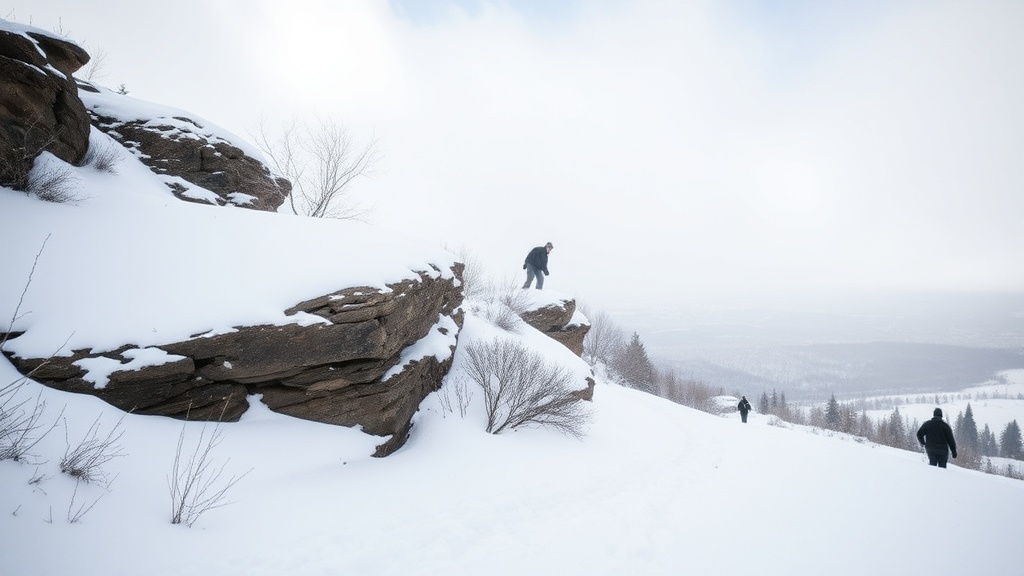
Utah Braces for Continued Rain and Snow from Atmospheric River After New Year Storm
Utah faces a stormy week as an atmospheric river brings rain and snow, raising concerns about flooding and travel conditions.
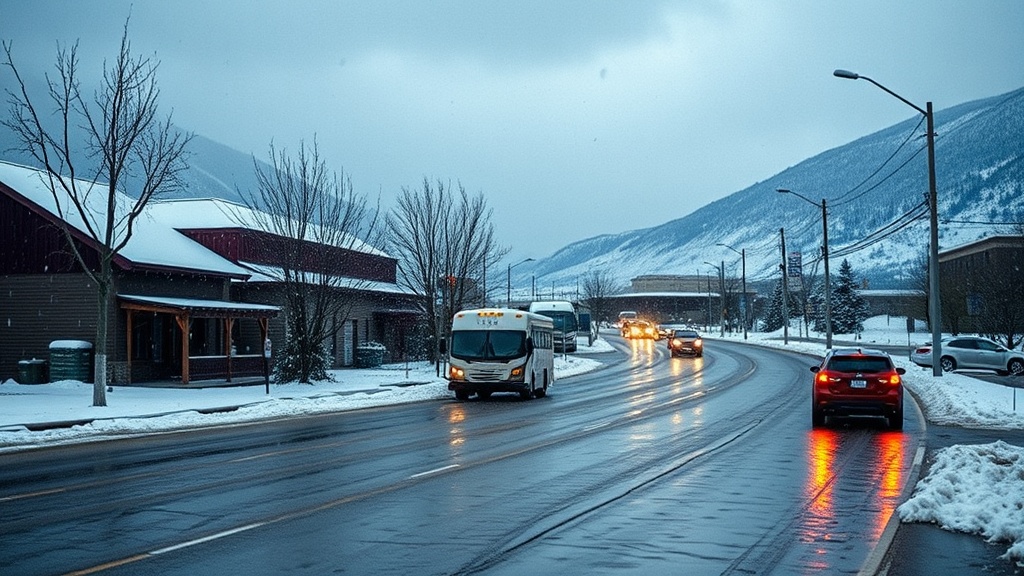
As the New Year unfolds, Utah is set to experience a tumultuous week of weather, with an atmospheric river poised to deliver significant rain and snow across the state. Following a robust storm that ushered in 2023, meteorologists are forecasting that this weather system will continue to impact Utah’s diverse landscapes, bringing both challenges and opportunities for residents and local businesses alike.
The atmospheric river, a term used to describe narrow corridors of concentrated moisture in the atmosphere, is expected to move through the western United States, including Utah. This weather phenomenon is characterized by high humidity levels and substantial rainfall, which can lead to flooding and snowfall in mountainous regions. According to the National Weather Service (NWS), the system is projected to deliver several inches of rain in lower elevations and significant snowfall in the higher altitudes, particularly in the Wasatch Range.
"This atmospheric river is unlike any we’ve seen so far this winter," said John Smith, a meteorologist with the NWS. "The moisture content is exceptionally high, and we can expect persistent precipitation throughout the week. This could lead to very wet conditions, especially in the valleys, while the mountains will receive much-needed snow."
The storm that welcomed the New Year brought significant snowfall to ski resorts, which are vital to Utah's economy. The recent storm resulted in several resorts reporting over a foot of new snow, allowing for an exciting start to the ski season. According to the Utah Ski and Snowboard Association, the enhanced snowpack will not only benefit winter sports enthusiasts but also contribute positively to the state’s water supply as the snow melts in the spring.
"We’re thrilled with the amount of snow we’ve received, and this new system will only add to that," remarked Lisa Johnson, the manager of a popular ski resort in Park City. "The quality of skiing has been exceptional, and we’re hoping that this trend continues throughout the winter months."
However, the combination of rain and melting snow raises concerns about potential flooding in urban areas. The state’s Department of Emergency Management is closely monitoring the situation, particularly in regions already susceptible to flooding. "We are urging residents to stay aware of weather conditions and to be prepared for possible flooding, especially in low-lying areas and near rivers that may overflow," stated Emergency Management Director Rick Taylor.
In addition to flooding concerns, the atmospheric river could also complicate travel conditions. The Utah Department of Transportation (UDOT) is advising motorists to exercise caution while traveling in mountainous areas where snow accumulation could lead to hazardous driving conditions. "We recommend that anyone traveling in the mountains check road conditions before heading out and to be prepared for winter weather driving," said UDOT spokesperson Karen Lee.
As Utah prepares for the incoming storm, local officials are also emphasizing the importance of community preparedness. Residents are encouraged to have emergency kits ready, which should include essentials such as food, water, flashlights, and first aid supplies. Neighborhood organizations are rallying together to check on the vulnerable populations, ensuring that those in need receive assistance during the storm.
The implications of this atmospheric river extend beyond immediate weather concerns. In recent years, Utah has been grappling with severe drought conditions that have significantly impacted agriculture and water resources. The replenishment of snowpack is critical for water supply, and this storm system could provide some relief. "Every drop of rain and every inch of snow contributes to our water reserves, which is crucial for our farmers and communities in the months to come," noted Sarah Green, an environmental scientist with the Utah Department of Water Resources.
Despite the challenges posed by the storm, the arrival of moisture is welcomed news for many Utahns who have faced dry conditions in recent years. As the week progresses, residents are advised to stay informed through local news outlets and the NWS for updates on weather developments and safety advisories.
In conclusion, as Utah braces for an active week of weather, the atmospheric river presents a dual-edged sword—while it offers the promise of much-needed moisture and snowpack enhancement, it also poses risks of flooding and hazardous travel. Communities across the state are encouraged to remain vigilant and prepared as they navigate the impacts of this significant weather event. With careful monitoring and proactive measures, Utah can hope to mitigate some of the adverse effects while benefiting from the precipitation.