Essential Safety Tips from Utah Wildlife Officials After Colorado Mountain Lion Attack
In light of a fatal mountain lion attack in Colorado, Utah wildlife officials share vital safety tips to prevent similar incidents.
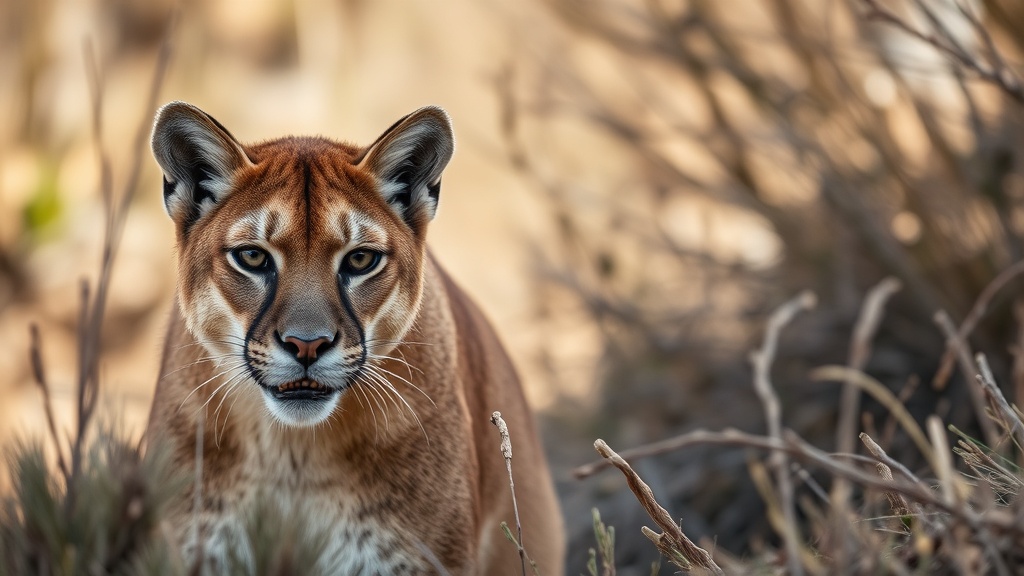
In the wake of a tragic incident in Colorado, where a mountain lion fatally attacked a human for the first time in over 35 years, wildlife officials in Utah are emphasizing the importance of safety measures when encountering these wild animals. The Colorado attack has raised alarms across the western United States, prompting Utah's Division of Wildlife Resources (DWR) to issue guidelines aimed at preventing such incidents in their own state.
Mountain lions, also known as cougars or pumas, are native to North America and are known for their elusive nature and solitary habits. They typically inhabit mountainous regions and densely forested areas, making Utah's diverse landscapes, from the Wasatch Mountains to the red rock canyons of southern Utah, a prime habitat for these large felines. According to the DWR, mountain lion populations have been stable in Utah, and while encounters with humans are relatively rare, they can occur, especially in areas where outdoor recreational activities are common.
The recent attack in Colorado involved a mountain lion that reportedly stalked a cyclist in a remote area before launching a fatal assault. This incident has prompted wildlife officials to remind the public about the behaviors and characteristics of mountain lions, as well as effective strategies to minimize risks during outdoor activities.
"Mountain lions are typically wary of humans and will avoid confrontation whenever possible," said Mike D. Smith, a wildlife biologist with the DWR. "However, it’s crucial for people to be aware of their surroundings and know how to react if they do encounter a lion."
The DWR outlines several key tips for staying safe in mountain lion territory. First and foremost, it is recommended that individuals travel in groups whenever possible, as mountain lions are less likely to approach larger groups. Additionally, making noise while hiking or biking can help alert wildlife to human presence, potentially deterring a lion from coming too close.
If a mountain lion is spotted, officials advise against running away, as this can trigger the lion's instinct to chase. Instead, individuals should stand their ground, make themselves appear larger by raising their arms, and speak firmly to the animal. If the lion approaches, it’s recommended to throw stones or sticks while continuing to face the animal. In the rare event of an attack, fighting back with anything at hand is encouraged, as mountain lions often prefer to avoid confrontation.
The DWR also emphasizes the importance of keeping pets leashed and supervised while in mountain lion habitats. Pets can attract attention and may provoke a lion. Additionally, securing trash and avoiding leaving food scraps in the wild can help reduce the chances of attracting wildlife into residential areas, where interactions with mountain lions may occur.
While the risk of a mountain lion attack is low, it’s not nonexistent. In Utah, there have been a handful of documented encounters over the years, with some resulting in injuries, but no fatalities. The DWR continues to monitor mountain lion populations and their behaviors in relation to human activity.
"Education is key to coexistence with wildlife," Smith added. "We want people to enjoy the great outdoors but to do so with an understanding of the potential risks and how to mitigate them."
In addition to safety tips, the DWR encourages the public to report any mountain lion sightings or encounters to local wildlife offices. This information helps officials track mountain lion activity and assess population dynamics, ensuring both public safety and the conservation of these majestic animals.
The tragic Colorado incident serves as a stark reminder of the unpredictable nature of wildlife. As urban areas expand into natural habitats, encounters between humans and wildlife are becoming more common. Awareness, education, and respect for nature are essential in fostering a safe coexistence with mountain lions and other wild animals.
As Utahns continue to enjoy the state's beautiful landscapes, the DWR remains committed to providing the necessary resources and information to ensure safety in the outdoors. By following guidelines and respecting wildlife, individuals can help prevent tragic encounters while appreciating the beauty of Utah's natural environment.