Utah Struggles with Low Snowpack Levels as New Year's Arrives
Utah starts the New Year with snowpack levels at 70% of normal, raising concerns for water supply and winter sports.
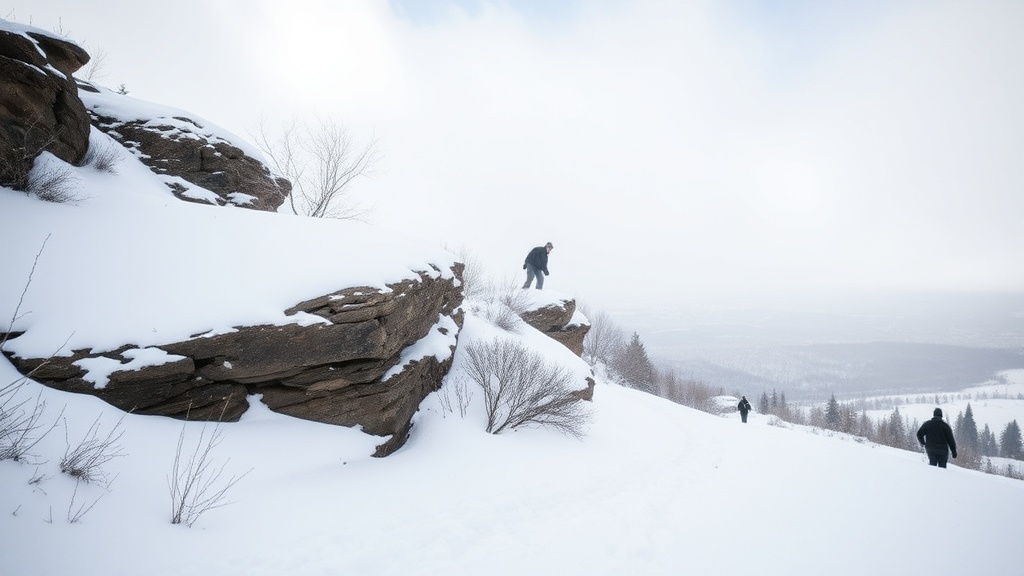
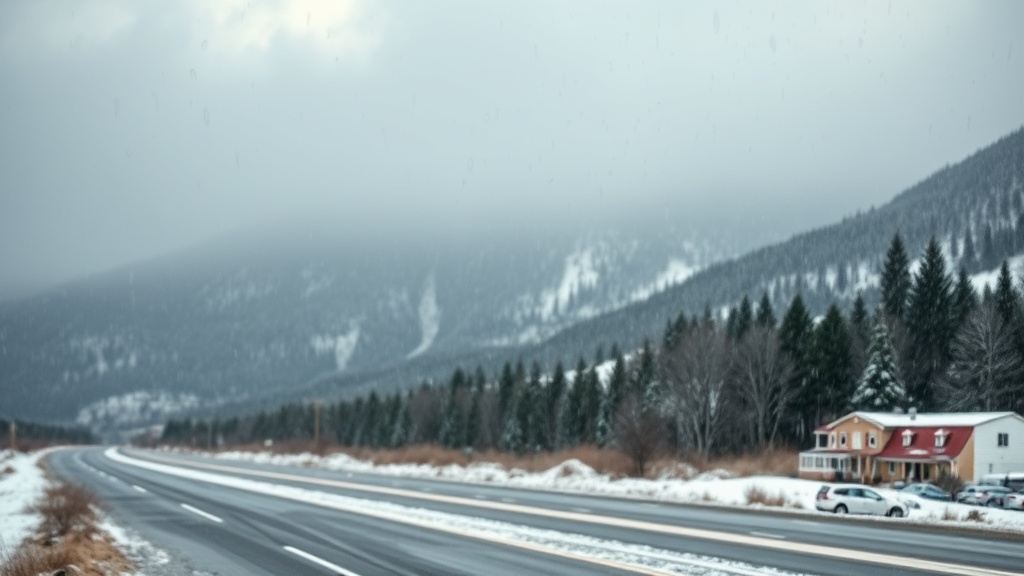
As Utah welcomes the New Year, the state's snowpack levels are notably below average, marking a concerning trend for winter sports enthusiasts, water resource managers, and environmentalists alike. According to the latest data from the Utah Department of Natural Resources, the statewide snowpack stands at approximately 70% of the normal levels for this time of year, a stark contrast to the historical averages that typically see the state well on its way to a robust winter season. This report serves as an unofficial benchmark for the snow accumulation season, which is crucial for the state's water supply and recreational activities.
The snowpack is a vital component of Utah's water system, as it feeds into the reservoirs that supply water for both urban and agricultural needs. Utah's snowpack is often viewed as a natural water reservoir, slowly releasing water as it melts in the spring and summer months. The current low levels raise alarm bells for water resource managers who are already preparing for potential water shortages in the coming year.
"We are monitoring the situation closely, and while we are still in the early stages of the snow accumulation season, the current levels are concerning," said Brian Steed, Executive Director of the Utah Department of Natural Resources. Steed emphasized that many factors contribute to snowpack levels, including temperature fluctuations, precipitation patterns, and broader climate change impacts. The winter of 2022-2023 had started strong with early snowfalls, but a warm and dry December has stymied further accumulation.
Recent reports indicate that the snowpack levels are not only low compared to the historical averages but also show significant regional disparities. Northern Utah, home to popular ski resorts like Park City and Snowbird, has fared slightly better, with snowpack levels around 80% of normal. In contrast, southern regions, including areas like St. George and Cedar City, are facing alarming deficits, with snowpack at just 50% of average levels. This disparity could have substantial implications for tourism and recreation, particularly for the ski industry, which relies heavily on consistent snowfall throughout the winter months.
Ski resorts across Utah are already feeling the impact of the reduced snowpack. Many have had to adjust their operations, relying on artificial snow-making systems to supplement natural snowfall. Ski resorts like Park City Mountain Resort have reported limited terrain open for skiing, which could deter visitors during what is typically one of their busiest seasons. Local businesses that depend on ski tourism are bracing for a potential downturn if snow levels do not improve.
In addition to its economic implications, the low snowpack raises concerns about long-term environmental impacts. As climate change continues to affect weather patterns, Utah is projected to experience more variability in snowfall and higher temperatures. This could lead to a cycle of water scarcity, impacting agriculture, ecosystems, and overall quality of life for residents. Environmental scientists are urging proactive measures to address these challenges, including water conservation initiatives and sustainable land management practices.
Despite the current low snowpack levels, some meteorologists are optimistic about the remainder of the winter season. Weather patterns indicate that a series of storms may be on the horizon, potentially bringing much-needed precipitation to the state. "While we cannot predict the weather with certainty, there are signs that we might experience a change in the coming weeks," stated John W. Smith, lead meteorologist at the National Weather Service in Salt Lake City. "If these storms develop as forecasted, we could see significant improvements in snowpack levels by mid-January."
The upcoming weeks will be crucial for Utah as the state approaches a critical juncture in its winter season. Ski resorts, water managers, and local communities are all watching the weather closely, hoping for a turnaround that could alleviate some of the pressure imposed by the current snow deficit. The state’s water supply, which heavily relies on snowmelt, hangs in the balance, making the need for increased snowfall paramount.
In conclusion, as Utah stands at the threshold of the new year, the implications of its low snowpack extend far beyond winter sports. The challenges posed by these conditions are multifaceted, affecting everything from local economies to environmental sustainability. As the state looks ahead, the hope for improved snow conditions remains, but the reality of climate variability adds an element of uncertainty that will require careful management and adaptation in the years to come.