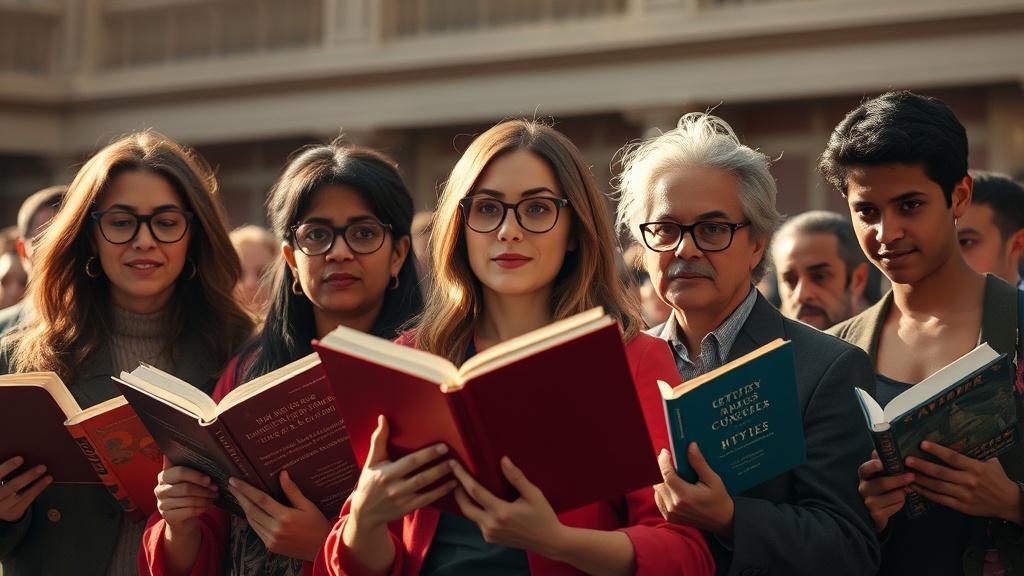
Utah Authors and Students Challenge Book Ban Law in Landmark Lawsuit
Award-winning authors and students in Utah challenge book bans in a landmark lawsuit, asserting First Amendment rights.
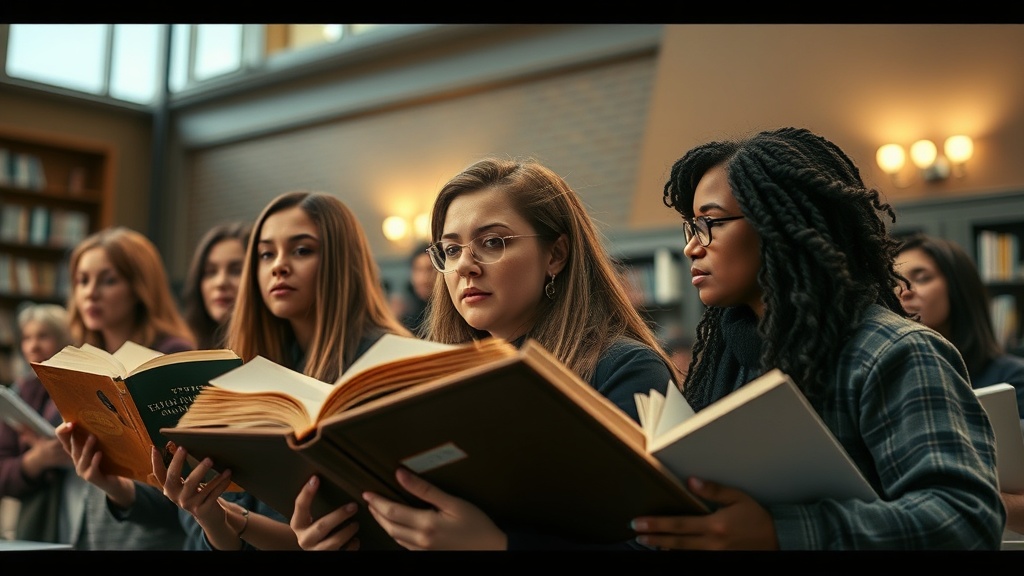
In a significant legal battle over censorship and educational freedom, three award-winning authors and two high school students have initiated a lawsuit against the state of Utah, its Board of Education, and three local school districts. This lawsuit, filed in conjunction with the American Civil Liberties Union (ACLU) of Utah, aims to contest the recently expanded "sensitive materials" law that restricts access to certain books deemed "criminally indecent or pornographic" within public schools. The plaintiffs argue that the law infringes upon First and Fourteenth Amendment rights, claiming that it not only bans essential literary works but also silences voices that contribute to a diverse and comprehensive educational environment.
The lawsuit, lodged on Tuesday, highlights the growing trend of book bans across Utah, which has seen an increase in the number of titles added to its banned list. Among the named plaintiffs are authors Elana K. Arnold, known for her works "What Girls Are Made Of" and "Damsel"; Ellen Hopkins, renowned for her books like "Tilt" and "Fallout"; and Amy Reed. The Kurt Vonnegut Estate is also involved in the case, emphasizing the wider implications of the law on literature and education. The students involved, who have chosen to remain anonymous, represent the voices of young readers who stand to lose access to diverse narratives.
Tom Ford, an attorney representing the plaintiffs at the ACLU of Utah, articulated the core argument of the lawsuit: "The right to read and the right to free speech are inseparable. The First Amendment protects our freedom to read, learn, and share ideas free from unconstitutional censorship. This law censors constitutionally protected books, silences authors, and denies students access to ideas, in violation of the First Amendment rights of students and authors alike, and must be struck down." The plaintiffs are calling upon a 3rd District judge to declare the state’s book bans unconstitutional, asserting that they represent blatant violations of free speech rights.
In Utah, the State Board of Education has compiled a list of 22 titles that have been reported by at least three school districts to contain "objective sensitive materials." With hundreds of books already removed from school libraries across the state, the legal challenge raises critical questions about educational access and the role of literature in fostering critical thinking and empathy among students. Notably, classic texts such as Kurt Vonnegut’s "Slaughterhouse-Five" and Toni Morrison’s "The Bluest Eye" have also been banned, which has sparked outrage among educators and literary advocates alike.
The lawsuit critiques the law for its broad applicability, asserting that it encompasses any book containing even a fleeting mention of sexual content, without regard for context or literary merit. One of the anonymous student plaintiffs expressed the broader implications of such censorship, stating, "Making books disappear sends a clear message about whose stories matter and whose do not. Book bans do more harm than simply removing stories. Empty shelves cost us understanding and connection, turning schools from places of learning into systems of control. Censorship does not just make ideas disappear, but also makes schools more confusing and dangerous because of its chilling effect on our right to learn."
Furthermore, the lawsuit highlights a critical inconsistency in the law regarding age-appropriate content. It challenges the lack of distinction between the needs and maturity levels of kindergartners and high school seniors, arguing that this creates an illogical mismatch with other state laws. As the lawsuit states, "State law permits sixteen-year-olds to consent to certain sexual activity. Yet the same students whom Utah trusts to make intimate, real-world decisions about their bodies are, under the Book Removal Law, barred from accessing books that contain a mere single passage describing the very conduct in which it is lawful for them to engage."
While acknowledging the necessity of excluding genuinely obscene and pornographic material from educational settings, the plaintiffs assert that the current statewide bans exceed constitutional limits. The lawsuit references the Miller-for-minors standard, which protects works that hold literary, artistic, political, or scientific value. The plaintiffs contend that the blanket bans on books lack the necessary nuance, leading to a violation of students' rights to access valuable educational content.
In its response to the lawsuit, the Utah State Board of Education indicated awareness of the legal proceedings but refrained from commenting on specific aspects due to the ongoing litigation. The Board reiterated its commitment to fulfilling its responsibilities under state law and supporting local education agencies in serving Utah students, stating, "The Board will respond through the appropriate legal channels."
As the case unfolds, it stands to represent a pivotal moment in the ongoing national conversation regarding censorship in schools and the importance of protecting the rights of both students and authors. The outcome could have lasting implications for educational policy across the state and potentially set a precedent for similar challenges elsewhere in the country. Advocates for free speech and educational access will be closely monitoring the developments in this landmark case, as it underscores the critical balance between safeguarding students and preserving their rights to explore diverse narratives through literature.