Utah Attorney Discusses U.S. Response to Maduro's Regime Change in Venezuela
An attorney discusses the implications of U.S. intervention in Venezuela following Maduro's arrest, focusing on the plight of detainees.
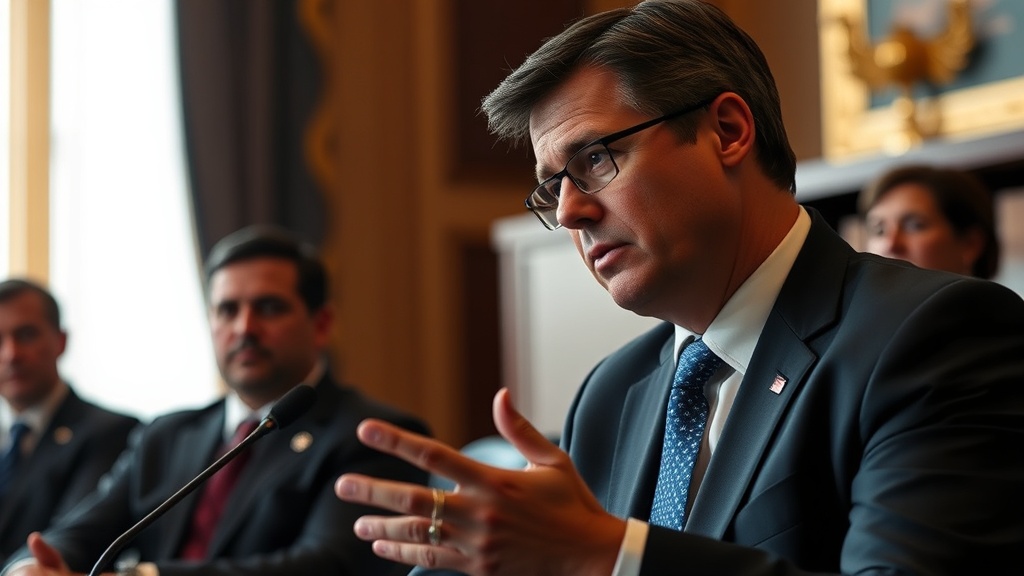
In a significant turn of events, the attorney representing a Utah man imprisoned for nearly two years in Venezuela is voicing concerns regarding the recent political upheaval in the country following the arrest and removal of President Nicolás Maduro. The attorney, who has been deeply involved in advocating for the release of U.S. citizens wrongfully detained under the Maduro regime, emphasizes the complexity of the situation and its far-reaching implications for both Venezuelans and the expatriate community in Utah.
The attorney, identified as David H. Rosen, has spent extensive time navigating the intricate legal and diplomatic landscapes surrounding the cases of U.S. citizens held in Venezuela. His client, a Utah resident whose identity remains confidential due to ongoing legal matters, was imprisoned under allegations that many human rights advocates have denounced as politically motivated. Rosen noted that the plight of his client is emblematic of the broader crisis affecting many individuals caught in the web of Maduro's authoritarian rule.
As news broke regarding Maduro's arrest, Rosen expressed a mix of hope and caution. "While the removal of Maduro could signal a new chapter for Venezuela, it’s crucial to remember the complexities that lie beneath the surface. Political change can often lead to further instability before any real progress can be made," he stated during a recent interview. Rosen highlighted the precarious situation facing not only his client but also countless others who have been imprisoned without just cause.
The attorney further discussed the broader implications of U.S. intervention in Venezuela, especially in light of the Biden administration’s recent proposals aimed at addressing the humanitarian crisis in the country. According to reports, the U.S. government has been contemplating various strategies to assist the Venezuelan population, which has been suffering from severe food and medical shortages, exacerbated by years of economic mismanagement and ongoing political turmoil.
Rosen noted that while U.S. intervention could offer immediate relief to those in dire need, it is essential to approach the situation with a nuanced understanding. "Any intervention must prioritize human rights and the well-being of the Venezuelan people. The last thing we want is to exacerbate the situation further by implementing measures that do not consider the complexities of Venezuelan society," he explained.
Moreover, Rosen highlighted the concerns of the Venezuelan community in Utah, which numbers in the thousands. Many expatriates are anxious about the political developments back home, fearing that instability could lead to increased violence and repression. "The Venezuelan diaspora is incredibly interconnected; news of violence or unrest triggers a deep sense of worry among families here in Utah. They watch closely as events unfold, hoping for a peaceful resolution but fearing the worst," he said.
In light of the recent developments, community leaders in Utah are also stepping up efforts to support Venezuelans both locally and abroad. Organizations such as the Venezuelan American Chamber of Commerce and various humanitarian groups are mobilizing to provide resources and assistance to those affected by the crisis in Venezuela. This includes fundraising efforts aimed at sending medical supplies and food to those in need, as well as lobbying for legislative support for U.S. intervention strategies that prioritize humanitarian aid.
Rosen's insights may be particularly relevant as the U.S. government prepares to discuss potential policies regarding Venezuela. The attorney believes that any plan should be comprehensive, addressing not only immediate humanitarian needs but also long-term strategies for rebuilding the nation post-Maduro. "We need to focus on what comes next. Venezuela has a long road ahead, and any assistance we provide must come with a commitment to supporting a stable and democratic future for its people," he asserted.
As the situation in Venezuela continues to evolve, the implications for U.S. citizens, particularly those with ties to the region, remain profound. The stories of individuals like Rosen's client serve as a stark reminder of the human cost of political turmoil. Advocates are calling for continued attention to these cases, urging the U.S. government to prioritize the safe return of its citizens who have been unjustly detained.
In conclusion, the political landscape in Venezuela is marked by uncertainty, and the recent arrest of Nicolás Maduro may represent a pivotal moment in the country’s history. However, as the attorney for a Utah man caught in this turmoil, David H. Rosen stresses the need for a thoughtful and compassionate approach to U.S. intervention. The lives of many hang in the balance, and the path forward will require careful navigation of the complex realities both in Venezuela and among its diaspora in Utah and beyond.