Unearthing History: 150-Year-Old Bottle of Alcohol Analyzed in Utah
Archaeologists in Utah discover a 150-year-old bottle of alcohol, revealing insights into the state's Wild West past.
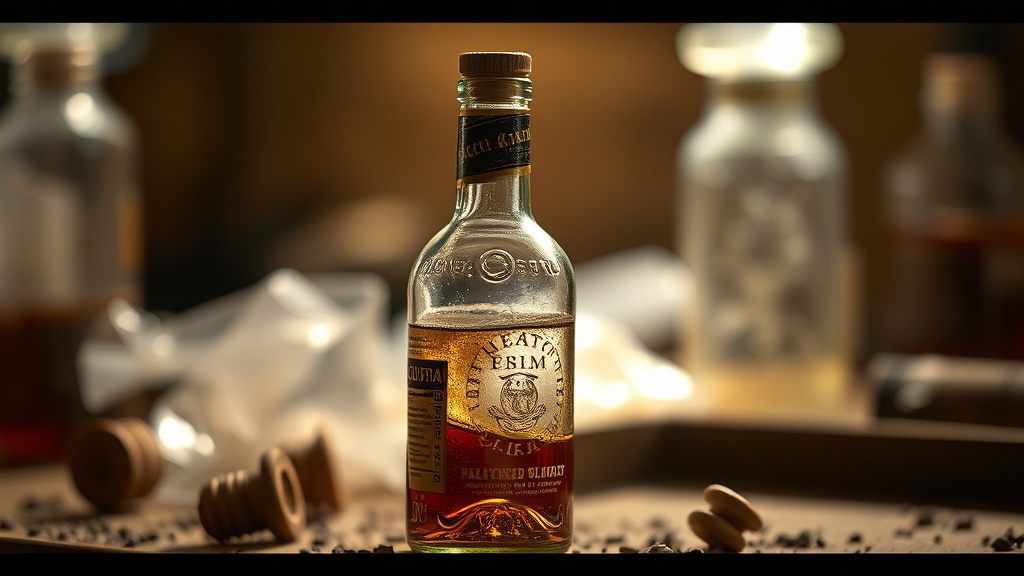
This summer, an archaeological team in Utah made a remarkable discovery that has fascinated historians and distillers alike: a bottle of alcohol dating back over 150 years, unearthed from the historic mining town of Alta. Located in the Wasatch Range, Alta was a bustling hub during Utah's Wild West days, and this find offers a rare glimpse into the region's frontier past. The bottle, which remained buried for over a century, is considered the only intact alcohol bottle from this era ever found in the state, making it a significant artifact for both archaeologists and those interested in culinary history.
Leading the excavation was Utah's state public archaeologist, Ian Wright. "We have found a 150-year-old bottle of alcohol. So we thought, hey, let's take it to the experts and see if we can find out what exactly is in it," Wright stated, underscoring the bottle's historical importance. The discovery is not just a relic; it represents a tangible connection to the lives and experiences of those who lived in the region during the 19th century.
To analyze the mysterious liquid contained within the bottle, the team reached out to High West Saloon, Utah's first legal distillery since 1870. Known for its rich history and commitment to blending spirits, the distillery seemed like the perfect partner for the investigation. Isaac Winter, the director of distilling at High West, expressed enthusiasm about the find: "We started off as a blending house. We're always looking for beautiful spirits across the country, across the world sometimes, to create blends that are something more than the sum of their parts."
Upon examining the bottle, Winter noted its remarkable condition given its age. "It's in reasonably good shape, I would say, after sitting for 150 years," he remarked. The initial analysis involved assessing the bottle's aroma and color. The team detected a faint vinegar scent emanating from the cork, but they needed to extract some of the liquid to understand its true nature. "We weren't sure if it was clear spirit, if it was aged spirit, if it was beer, if it was wine, if it was champagne," Winter explained, highlighting the uncertainty surrounding the contents of the bottle.
To preserve the integrity of the historic bottle while extracting the liquid, the team enlisted help from Old Town Cellars, a nearby winery, which provided a Coravin device designed to extract liquid without damaging the cork. "We're being very careful with that sample," Winter explained, emphasizing the importance of maintaining the bottle's condition during the extraction process. When the liquid was finally drawn out, it revealed characteristics that suggested it might have been a beer, rather than a distilled spirit.
The analysis unveiled an array of complex flavors within the liquid. Tara Lindley, director of sensory and product development at High West, described the initial tasting experience: "First, there was some kind of an oxidized fruit note." Winter added, "It's fruity, there's a little bit of leather, there's quite a bit of age on it." The discovery that yeast was present in the liquid further supported the idea that it was likely some type of beer, a significant revelation for the distilling team.
Despite initial apprehension about tasting a 150-year-old beverage, Winter decided to take the plunge. "I had a little bit of trepidation going into it, but you have to try it," he said, relieved that it did not have any unpleasant odors. The team was excited by the possibility of recreating the historic beverage, which could offer a taste of what miners in Alta enjoyed over a century ago.
Ultimately, the decision was made to fully uncork the bottle, despite concerns about potentially damaging the antique. Wright remarked, "It's an old bottle, it's a lot of pressure, you don't want to damage the bottle." Once opened, the liquid was carefully decanted and filtered through a coffee filter to separate any sediment. "Very exciting to see the liquid as it finally came out," Winter recounted, noting the careful scientific approach they took to analyze the contents.
The sediment found at the bottom of the bottle could hold critical information for recreating the historic beer. "The very bottom of the bottle was sort of turbid; it was sort of milky. We're going to take that back and hopefully plate it out and find some usable yeast on it," Winter explained, showcasing the blend of science and history involved in the project. If they are successful in cultivating the yeast, it could pave the way for recreating the exact beer that was consumed by miners in Alta more than a century ago.
For Wright, the project represents a significant intersection of history and science. "This is so cool because it's taking history off of an old dusty shelf," he said, emphasizing that history belongs to everyone. The bottle and other archaeological artifacts from Alta will be displayed on Friday at 5 p.m. at the Utah Historical Society building in Millcreek. The event will feature a presentation about the excavation and showcase hundreds of artifacts recovered from the historic ghost town. To register for this unique opportunity to explore Utah’s frontier history, interested parties can visit the registration link provided by the Utah Historical Society.