Nationwide Protests Erupt in Response to Fatal ICE Shooting in Minneapolis
Protests erupted in Salt Lake City and nationwide after an ICE agent fatally shot a woman in Minneapolis, sparking demands for accountability and reform.
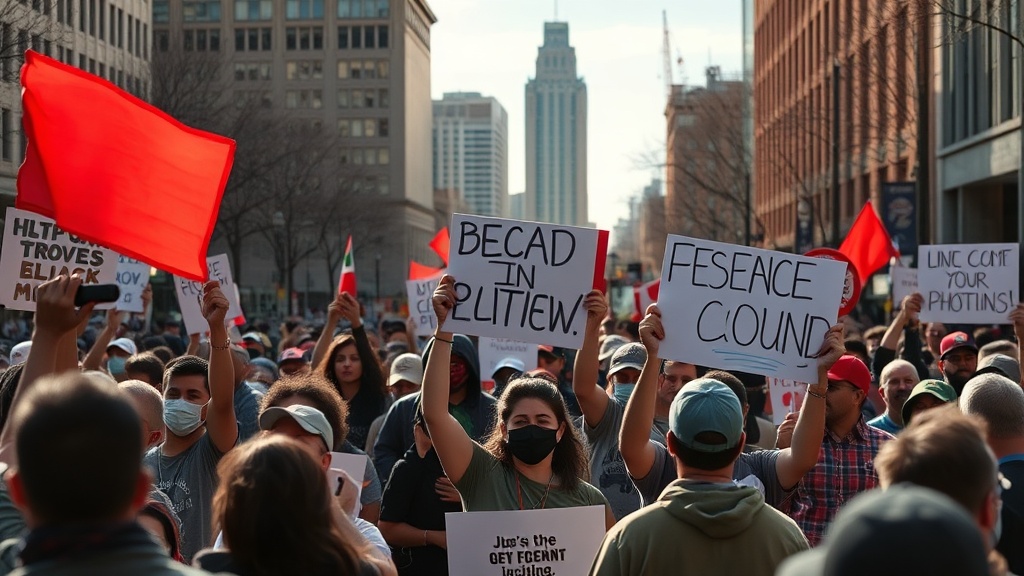
Salt Lake City witnessed significant unrest on Saturday as protesters gathered to voice their outrage following the shooting death of a woman by a U.S. Immigration and Customs Enforcement (ICE) agent in Minneapolis. The incident, which occurred on Wednesday, has sparked a wave of protests across the nation, reflecting deep-seated frustrations with ICE and its enforcement practices.
The woman, who has not yet been publicly identified, was shot during an operation by ICE agents, raising questions about the agency's use of force and the broader implications for immigrant communities. Activists and community leaders in Salt Lake City joined forces to demand accountability from ICE, calling for an end to what they describe as systemic violence and discrimination against marginalized groups.
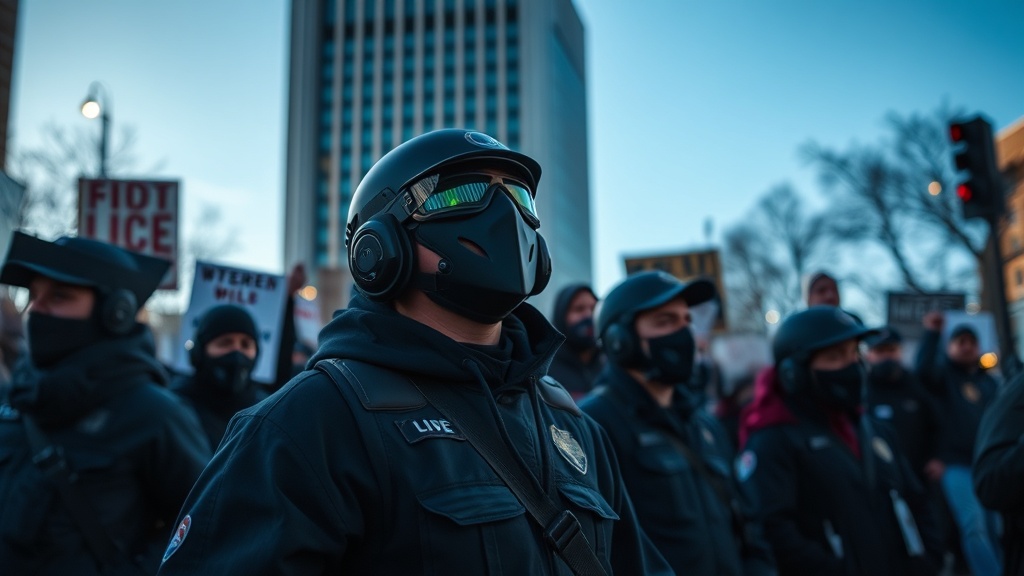
Protests in Salt Lake City were organized by a coalition of local advocacy groups, including the Utah Immigration Coalition and the Black Lives Matter chapter. The event began at Pioneer Park, where hundreds gathered, holding signs emblazoned with slogans like "ICE Out for Good" and "No Justice, No Peace." Attendees chanted and shared stories of their own experiences with immigration enforcement, emphasizing the fear and trauma felt within immigrant communities.
Among the speakers at the rally was Maria Rodriguez, a local immigrant rights advocate. "This is not just about one woman’s tragic death; it’s about a system that perpetuates violence and fear in our neighborhoods," Rodriguez stated. "We cannot allow ICE to operate without oversight or accountability. We demand justice and safety for everyone, regardless of their immigration status."
The protests were not limited to Salt Lake City. Demonstrations took place in other Utah cities, including Provo and Ogden, as well as in numerous locations across the United States. In Minneapolis, where the shooting occurred, thousands took to the streets, echoing the sentiment that the time for change is now. Activists from various backgrounds united under a common cause, highlighting the intersectionality of racial justice and immigrant rights.
In addition to calls for accountability, protesters demanded the defunding of ICE and Immigration and Customs Enforcement, which they argue operates with little regard for human rights. Many participants expressed their determination to continue advocating for policy changes that prioritize community safety over aggressive enforcement tactics.
The protests come amid a broader national reckoning over police violence and systemic racism, ignited by high-profile cases such as the killing of George Floyd in Minneapolis in 2020. The parallels drawn between Floyd’s death and the fatal shooting of the woman by ICE agents illustrate ongoing concerns about the militarization of law enforcement and the disproportionate impact on communities of color.
As the protests unfolded, local law enforcement maintained a visible presence, monitoring the situation but largely allowing demonstrators to express their views without interference. However, tensions escalated at times, particularly when protesters attempted to march toward the downtown area. Police used barricades to guide the crowd and ensured that traffic remained flowing.
Following the protests, local officials faced renewed pressure to address immigration policies and the role of ICE in the community. Several city council members expressed their support for the protesters’ goals, acknowledging the need for a thorough investigation into the shooting incident and a reevaluation of local partnerships with federal immigration enforcement.
"It’s time for our community to have a serious conversation about how we want to treat all individuals, regardless of their status," said Salt Lake City Council member Ana Valdemoros. "We must prioritize human rights and dignity."
The shooting incident has raised significant concerns not only about the actions of ICE but also about the broader implications of immigration enforcement in the U.S. As the country grapples with these issues, the protests in Salt Lake City and beyond serve as a reminder of the urgent need for systemic change and a reevaluation of policies that disproportionately affect vulnerable communities.
As the protests concluded on Saturday, many participants expressed their commitment to continue advocating for justice and reform. The coalition behind the demonstrations is already planning subsequent events and actions in the coming weeks, aiming to maintain momentum and pressure on policymakers. The death of the woman in Minneapolis may have sparked outrage, but for many, it has also served as a rallying cry for a movement that seeks to dismantle systemic injustices affecting immigrant communities nationwide.
As the investigation into the shooting continues, the voices of those affected and the demands for accountability will likely persist, shaping the narrative around immigration enforcement in the United States. The protests in Salt Lake City are just one chapter in a larger story of resistance and resilience, as communities come together to demand change in the face of tragedy.