Protests Erupt Nationwide Following Fatal Shooting by ICE Agent in Minneapolis
Protests erupted in Salt Lake City and nationwide following the fatal shooting of a woman by an ICE agent, igniting demands for accountability.

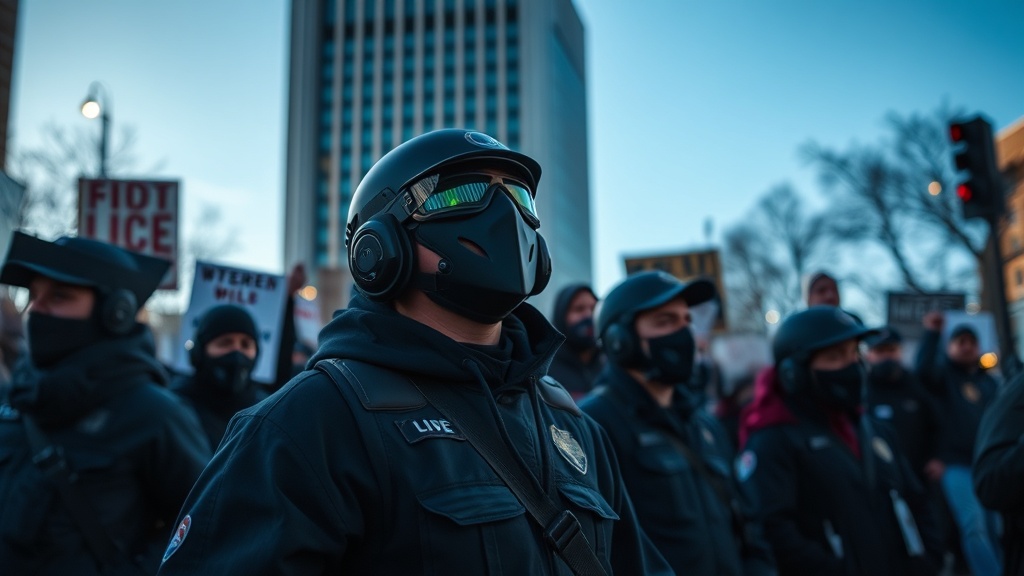
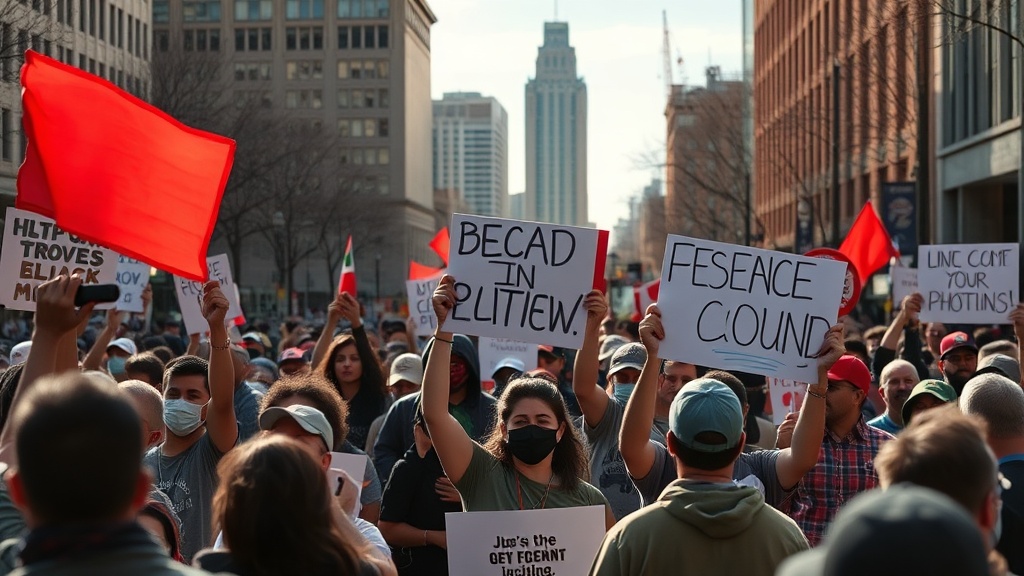
On Saturday, March 25, 2023, hundreds of demonstrators took to the streets of downtown Salt Lake City, joining a wave of protests that swept across the United States in response to the recent shooting of a woman by an Immigration and Customs Enforcement (ICE) agent in Minneapolis. The incident, which has raised significant alarm among various communities, sparked outrage and calls for accountability from advocates and activists nationwide.
The protest in Salt Lake City began in the early afternoon, with participants gathering at Pioneer Park before marching through the city’s downtown. Many carried signs emblazoned with messages such as "Abolish ICE" and "No More Violence," while chanting slogans condemning the actions of ICE and calling for justice for the victim. The atmosphere was charged with emotion as speakers shared personal stories and experiences relating to immigration, safety, and community relations with law enforcement.
The incident that ignited these protests occurred on March 21, when a woman identified as Maria Hernandez was shot and killed during a confrontation with ICE officers in Minneapolis. Reports suggest that the officers were attempting to apprehend her as part of a targeted operation, leading to a chaotic scene that resulted in her death. The details surrounding the shooting remain murky, but eyewitness accounts indicate that the situation escalated rapidly, leading to the use of lethal force.
In the aftermath of the shooting, community leaders and advocacy groups have decried the actions of ICE, calling it indicative of a broader pattern of violence and misconduct. “This is not an isolated incident,” said Maria Lopez, a local activist and member of the Utah Coalition for Immigrant Rights. “This is part of a systemic issue where marginalized communities are constantly under threat from those who are supposed to protect us. We demand justice for Maria and for an end to the brutality we face.”
The Salt Lake City protest was part of a larger movement, with demonstrations occurring in cities such as New York, Los Angeles, and Chicago, where thousands gathered to demand an end to ICE operations and to honor the memory of Hernandez. In New York City, protesters filled the streets near Union Square, where they were met with solidarity from other social justice movements, emphasizing the interconnectedness of various struggles for rights and dignity.
Many of the demonstrators expressed their frustration not just over the shooting, but also over the broader implications of ICE's presence in their communities. “It’s not just one woman who has been lost; it’s the fear that ICE instills in all of us,” said Daniel Ramirez, a young immigrant participating in the Salt Lake City march. “Every day, we worry about our families and friends being targeted. We need to stand together and fight for our right to live without fear.”
The protests also featured speeches from local leaders who highlighted the importance of solidarity and community resilience. Activists emphasized the need for legislative action to address immigration reform and to hold law enforcement accountable for their actions. “We need our lawmakers to hear us and to act decisively against this violence,” said Utah State Representative Angela Romero, who addressed the crowd. “This is a moment for change, and we will not back down.”
As the protests continued throughout the afternoon, the atmosphere remained peaceful, with participants taking turns to share their thoughts and experiences, fostering a sense of community among those present. The event concluded with a candlelight vigil in memory of Maria Hernandez, where participants shared reflections and called for justice.
The implications of the Minneapolis shooting and the subsequent protests extend beyond local communities. They reflect a growing national conversation about immigration policy, the role of ICE, and the treatment of immigrants in the U.S. As public sentiment shifts, lawmakers may be compelled to reassess their positions on immigration enforcement and the policies surrounding it.
In the coming days and weeks, advocacy groups are expected to ramp up their efforts to push for reforms aimed at safeguarding the rights of immigrants and ensuring accountability for law enforcement agencies. The protests serve as a reminder of the ongoing struggles many communities face and the urgent need for dialogue and action regarding immigration and public safety.
As Salt Lake City and other cities continue to grapple with the implications of this incident, the voices of those affected will remain at the forefront of the conversation, pushing for change and justice in a system that many feel has failed them. The national outcry over the incident signals a pivotal moment in the ongoing fight for immigrant rights, calling for solidarity and action against injustice wherever it occurs.