Unearthing History: Thousands of Artifacts Discovered in Alta, Utah
Excavation in Alta, Utah uncovers thousands of artifacts, including a 150-year-old alcohol bottle, shedding light on the ghost town's rich history.
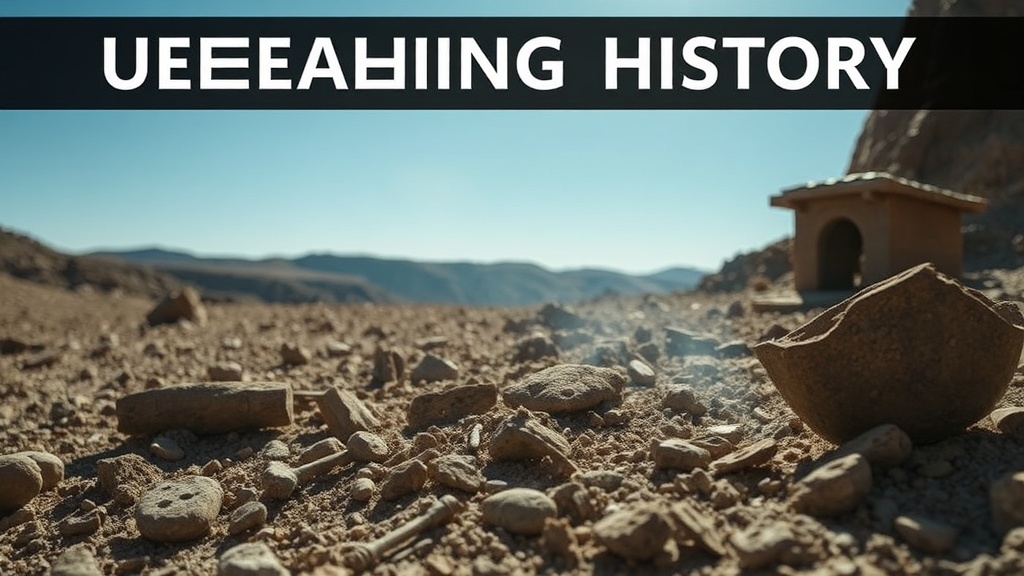
In a remarkable archaeological discovery, thousands of artifacts have been unearthed during excavation efforts at the historic ghost town of Alta, Utah. This mining boomtown, once bustling with activity in the mid-19th century, has captured the attention of historians and archaeologists alike as they delve into its rich past. Among the notable finds is a bottle of alcohol that dates back over 150 years, providing a tangible connection to the lives of those who once inhabited this remote mountain community.
Alta, located in the Wasatch Range of Utah, was established in the early 1860s as a mining camp during the silver boom. The town flourished as prospectors flocked to the area in search of fortune, leading to the construction of homes, businesses, and various amenities to support the mining industry. However, as silver prices declined in the late 1800s, the once-thriving town gradually fell into decline, and by the early 20th century, many of its buildings were abandoned.
The recent excavation project, initiated by the Alta Historical Society in collaboration with local universities, aims to preserve the town's historical significance and educate the public about its mining heritage. Archaeologists have been meticulously sifting through layers of soil, revealing an astonishing array of artifacts that shed light on daily life in Alta during its peak. The excavation site, which includes remnants of old buildings and streets, is expected to yield even more discoveries as work continues.
Among the most intriguing finds is the vintage alcohol bottle, which has been identified as a product of the late 19th century. Experts believe that it originally contained whiskey, a popular libation among miners and townsfolk alike. The bottle's discovery has sparked interest in the social dynamics of Alta, as it raises questions about leisure activities and the culture surrounding alcohol consumption during the mining boom.
In addition to the bottle, archaeologists have uncovered tools, personal items, and remnants of structures that once served as homes and businesses within the town. Each artifact tells a story, offering insights into the craftsmanship, everyday life, and the challenges faced by the residents of Alta. The findings not only enhance the understanding of the town's historical narrative but also contribute to the broader context of mining communities in the American West.
Local historians are excited about the implications of these discoveries. Dr. Sarah Thompson, a historian specializing in mining towns, stated, "Every artifact we find adds another piece to the puzzle of Alta's history. It's an opportunity to understand how these mining communities operated and how the people lived, worked, and interacted with one another."
The excavation has also drawn attention from the public, with many residents and tourists expressing interest in the history of Alta. Guided tours are being planned to showcase the excavation site and the artifacts unearthed thus far. Educational programs are being developed to engage local schools, ensuring that the history of this ghost town is not lost to future generations.
As the excavation continues, the Alta Historical Society is committed to preserving the artifacts and ensuring they are displayed for public enjoyment and education. The society is collaborating with museums to curate an exhibit that will highlight the findings and tell the story of Alta's mining boom.
The significance of this excavation extends beyond just the artifacts; it serves as a reminder of the transient nature of mining towns and the impact of the mining industry on American history. As Alta's story unfolds, it invites reflection on the broader themes of economic boom and bust that have shaped countless communities across the West.
In conclusion, the excavation of Alta, Utah, stands as a beacon of historical discovery, revealing the lives of those who once inhabited this mining boomtown. The thousands of artifacts found, including the notable 150-year-old alcohol bottle, are not merely relics of the past but vital pieces of a larger narrative that speaks to the human experience in the face of fortune and adversity. As the project progresses, it promises to enrich our understanding of Alta's legacy and the enduring impact of its mining heritage on the region and beyond.