Trump's Venezuela Policy Sparks Internal GOP Divisions Over Foreign Intervention
Trump's push for regime change in Venezuela may deepen divisions within the GOP, challenging its anti-interventionist base.
In a significant move that could reshape the landscape of the Republican Party, former President Donald Trump has called for regime change in Venezuela, a stance that threatens to ignite internal divisions among party members. Trump, who rose to prominence on an 'America First' platform that emphasized a withdrawal from foreign entanglements, is now advocating for a more interventionist approach in Latin America, a departure from the anti-interventionist sentiment that has characterized much of his influence on the GOP since he took office in 2017.
The call for action in Venezuela comes amid ongoing humanitarian crises in the country, where political instability, economic collapse, and widespread poverty have driven millions of citizens into exile. The current Venezuelan government, led by Nicolás Maduro, has been widely criticized for human rights abuses and corruption, leading many in the U.S. to argue that intervention is necessary to restore democracy and stability. Trump's renewed focus on Venezuela represents a pivot back to a more aggressive foreign policy stance, which many Republican leaders fear could alienate the party's base that is wary of military interventions abroad.
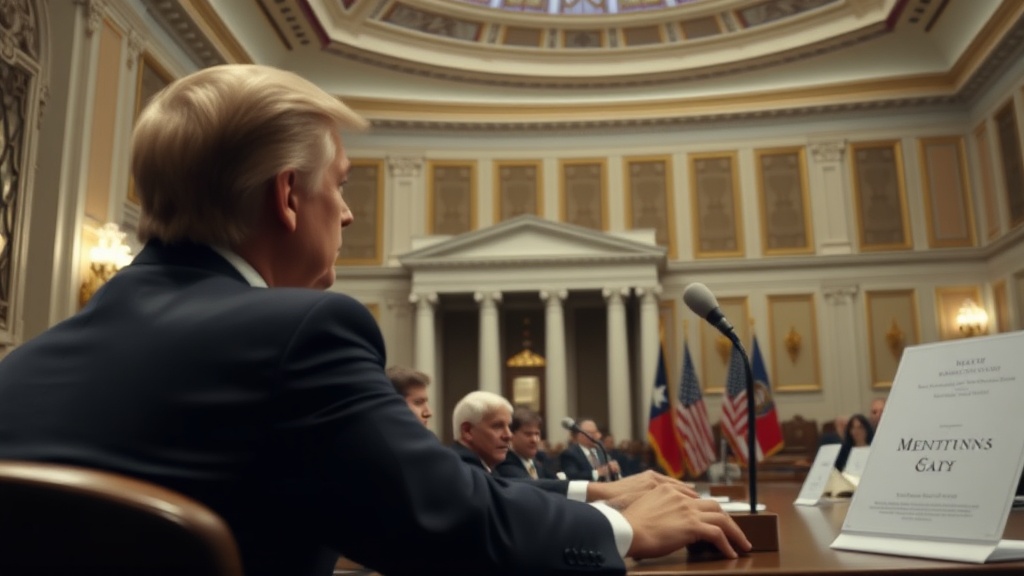
Trump's stance has already drawn mixed reactions from within the GOP. While some party members support taking a firmer stance against Maduro, arguing that humanitarian crises warrant intervention, others are concerned that this approach contradicts the anti-interventionist principles that Trump championed during his presidency. Senator Rand Paul, a prominent libertarian voice within the party, has been vocal in his criticism of any potential military involvement, stating, "Interventionist policies have only led to more chaos and suffering. We need to prioritize diplomacy and humanitarian aid, not bombs and troops."
The internal rift within the GOP reflects a broader ideological struggle within the party. On one side are those who align themselves with Trump's original message of non-interventionism, advocating for a foreign policy that prioritizes American interests without getting entangled in distant conflicts. On the other side are traditional Republicans who lean towards a more interventionist approach, believing that U.S. involvement is necessary to combat authoritarian regimes and promote democracy abroad.
As the party grapples with this ideological divide, Trump's influence looms large. His recent remarks on Venezuela have reignited discussions about the role of the U.S. in global affairs, challenging candidates in the upcoming midterm elections to take a stance. Some candidates have begun to align themselves with Trump's view, while others have cautiously distanced themselves, fearing backlash from constituents who support a more isolationist approach.
The implications of Trump's Venezuela policy extend beyond the GOP. They also signal a potential shift in U.S. foreign policy, with the possibility of renewed military engagement in Latin America. Critics argue that the ramifications of such actions could lead to unintended consequences, including a resurgence of anti-American sentiment in the region, further destabilization, and increased refugee flows into the United States. Advocates for intervention, however, argue that failing to act could allow the Maduro regime to continue its oppressive policies unchallenged.
In addition to the political and ideological ramifications, Trump's stance has also raised questions about the practical aspects of intervention. Military experts warn that any attempt to change the regime in Venezuela would be fraught with challenges, including the risk of escalating violence and the difficulty of establishing a stable government afterward. Historical precedents, such as the U.S. interventions in Iraq and Libya, serve as cautionary tales for those advocating for military action.
As the situation in Venezuela continues to evolve, the Republican Party faces critical decisions about its identity and future direction. The challenge will be balancing Trump’s influence with the party’s traditional values and the sentiments of its base. The upcoming elections may serve as a litmus test for how the party navigates these complexities, especially as candidates grapple with the implications of taking a firm stance on Venezuela.
In conclusion, Trump’s call for regime change in Venezuela not only threatens to create a rift within the GOP but also raises important questions about the future of American foreign policy. As party members debate the merits and risks of intervention, the outcomes will likely shape the political landscape for years to come, influencing not only the Republican Party but also the broader discourse on U.S. involvement in global affairs.