Trump’s Controversial Claims on U.S. Military Presence and Foreign Interventions
Trump's recent press conference raised concerns about military presence in U.S. cities and foreign interventions.
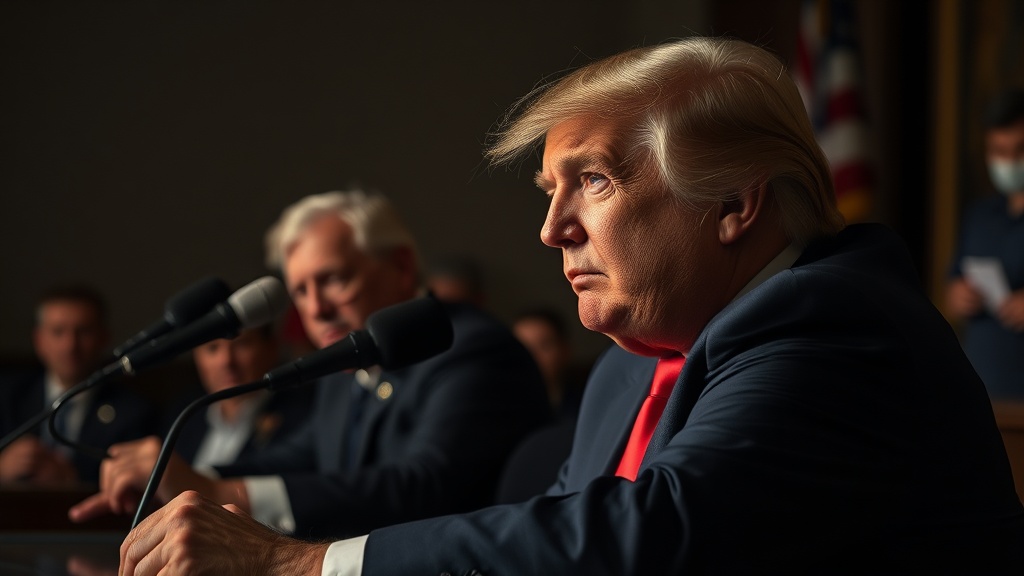
In a recent press conference that drew significant media attention, former President Donald Trump made headlines by discussing a daring operation planned to capture Venezuelan President Nicolás Maduro. This announcement came shortly after the former president delved into the controversial topic of U.S. military involvement in domestic law enforcement, particularly in urban areas, sparking debate about the implications of such actions for American democracy.
The press conference, held on [insert date], revealed Trump’s perspective on what he termed a "lightning-strike operation" aimed at the Maduro regime, which he accused of undermining democracy in Venezuela. Trump claimed that U.S. forces were prepared to take decisive action against Maduro, whom he described as a dictator responsible for widespread suffering in his country. "We can no longer stand by and watch as he destroys the lives of millions," Trump asserted, emphasizing the need for strong U.S. intervention.
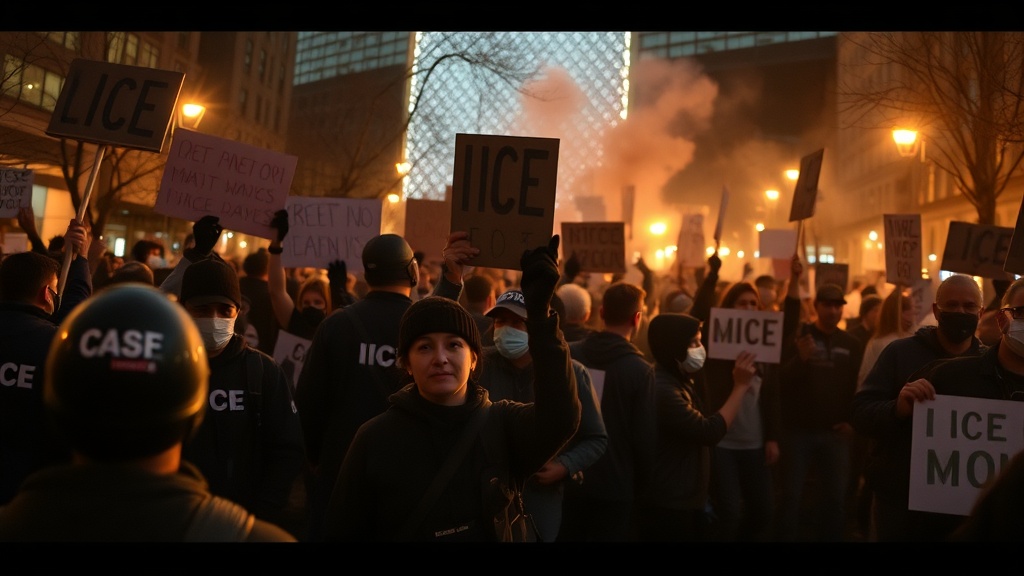
However, the most striking segment of the conference came when Trump shifted focus to the presence of U.S. troops in American cities. He asserted that the military had played a vital role in maintaining order during recent protests and civil unrest. "Our brave men and women in uniform have done an incredible job keeping our streets safe," Trump said, praising their effectiveness in controlling demonstrations that erupted amid the national conversation surrounding police reform and racial justice.
Critics quickly condemned Trump’s remarks, arguing that his conflation of military action abroad with policing at home presents a troubling precedent. Activists and political analysts warned that utilizing military forces for domestic law enforcement could erode civil liberties and undermine democratic norms. "We must be cautious of any narrative that suggests our military should be deployed against our own citizens," said [insert name], a political commentator who specializes in civil rights issues. "This is not just about one president's rhetoric; it is about the foundational principles of our democracy."
The implications of Trump's statements extend beyond mere rhetoric. The use of military force in domestic situations has a fraught history in the United States, often leading to significant backlash and debate over the appropriate use of force. The Insurrection Act of 1807, for example, allows the president to deploy military forces to suppress civil disorder, but such measures have historically been viewed as a last resort.
Furthermore, Trump's comments come at a time of heightened scrutiny regarding the role of law enforcement in American society. The Black Lives Matter movement and other advocacy groups have intensified their calls for police reform, arguing that systemic racism and excessive force must be addressed. In this context, Trump's praise for military presence in urban areas raised eyebrows, as many perceived it as an endorsement of aggressive tactics rather than a call for reform.
Additionally, Trump's statements about international interventions reflect a broader strategy that has characterized his administration. Throughout his presidency, Trump often emphasized the need for America to take a more aggressive stance in foreign affairs, particularly against regimes he deemed oppressive. By linking domestic military presence with foreign interventions, Trump appears to advocate for a more militarized approach to governance, which critics argue could have far-reaching consequences for civil rights and democracy.
Political analysts also noted that Trump's remarks could resonate with his base, many of whom view a strong military as a symbol of American strength and resolve. However, this approach risks alienating moderate voters who may be concerned about the implications of such a stance on civil liberties and democratic norms.
In conclusion, Trump's recent press conference not only highlighted his views on foreign policy and military intervention but also raised critical questions about the role of the military in American society. As the nation grapples with issues of race, justice, and governance, the dialogue surrounding military presence in domestic spaces will likely continue to evolve. Observers will be watching closely to see how these discussions influence political discourse leading up to the next election, as well as the potential ramifications for American democracy itself. The intersection of military power and civilian life remains a contentious topic, one that requires careful consideration and ongoing debate among citizens and leaders alike.