The Shift in American Justice: From Presumption of Innocence to Guilt
The American justice system faces scrutiny as the presumption of innocence wanes, raising concerns about fairness and public perception.

In recent years, a notable shift has been observed within the American justice system, leading many to argue that the foundational principle of the presumption of innocence has been compromised. This shift has sparked a heated debate across the nation, with implications that could affect not only the legal landscape but also the broader societal perception of justice and fairness.
Historically, the presumption of innocence has been a pillar of the American legal system, ensuring that individuals are considered innocent until proven guilty. This fundamental right is enshrined in the Fifth and Fourteenth Amendments of the U.S. Constitution, reflecting a long-standing commitment to due process. However, recent developments have raised concerns that this critical principle is being overshadowed by a growing culture of suspicion and vilification of individuals accused of crimes.
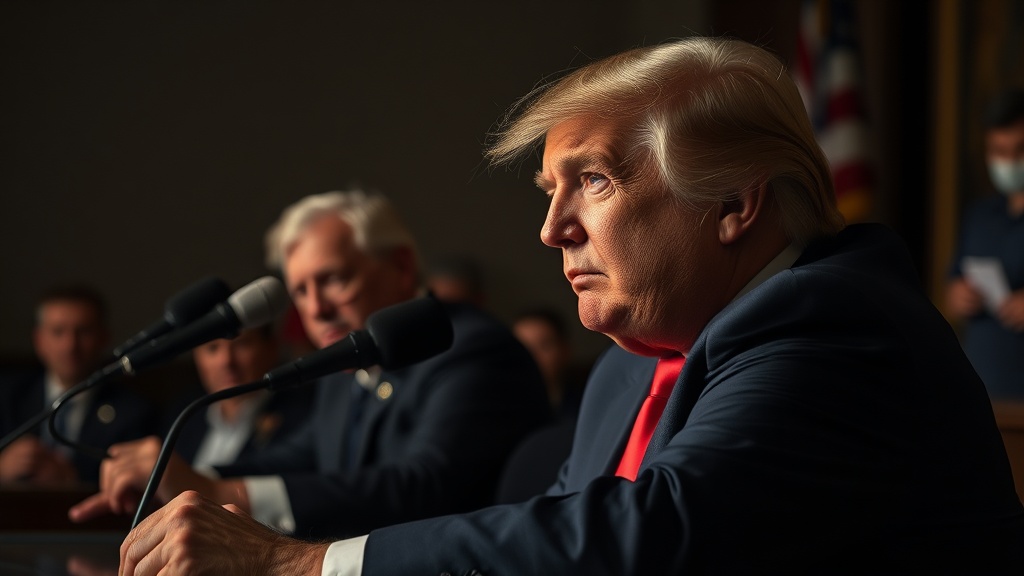
One of the most prominent cases that exemplify this shift is the ongoing legal troubles of former President Donald Trump. As he faces multiple indictments and legal challenges, his supporters argue that the legal system is being weaponized against him in a politically motivated manner. For many of his followers, Trump has emerged not just as a political leader but as a symbol of resistance against what they perceive as an unjust system targeting him for his views and actions.
Critics of the current landscape assert that the presumption of guilt is becoming increasingly prevalent, particularly in high-profile cases. Social media often acts as a double-edged sword, providing a platform for the rapid dissemination of information—both accurate and misleading—leading to public opinion often swaying before the legal process has fully unfolded. This phenomenon raises questions about the role of public perception in the justice system and the challenges faced by defendants in achieving a fair trial.
Legal experts have expressed concern that this shift could have far-reaching consequences. "When the public adopts a presumption of guilt, it can lead to a trial by media rather than a trial by jury," explains Dr. Emily Thompson, a professor of law at the University of Utah. "Defendants may find themselves facing not just legal battles but also a societal narrative that can influence the outcome of their cases."
Moreover, the implications of this shift extend beyond individual cases. The erosion of the presumption of innocence can undermine the integrity of the justice system as a whole. It fosters an environment where individuals may hesitate to report crimes or come forward as witnesses, fearing that they too could be judged and condemned before the facts are thoroughly examined.
The legal community has been vocal in advocating for a return to the foundational principles of justice. Organizations such as the American Bar Association emphasize the importance of maintaining the presumption of innocence as a safeguard against wrongful convictions and miscarriages of justice. They argue that a robust legal defense is crucial for ensuring that every individual has the opportunity to defend themselves fully, without the weight of public scrutiny and bias.
As this conversation continues to evolve, it is imperative for citizens to engage thoughtfully with the complexities of the justice system. The balance between public safety and individual rights is delicate, and maintaining the presumption of innocence is essential for ensuring that justice is served fairly and equitably.
In conclusion, the presumption of innocence has long been a cornerstone of American democracy, designed to protect individuals from wrongful accusations and ensure fair trials. The recent trend towards a presumption of guilt poses significant challenges to this principle and raises critical questions about the future of justice in America. As society grapples with these changes, it is crucial to advocate for a system that prioritizes fairness, due process, and the fundamental rights of all individuals, regardless of their social or political status. The path forward will require a collective commitment to uphold the ideals of justice that form the bedrock of the nation’s legal framework.