Trump Administration's Legal Violations Prompt Public Concerns Over Governance
The Trump administration's legal controversies raise serious questions about governance and public trust in the rule of law.
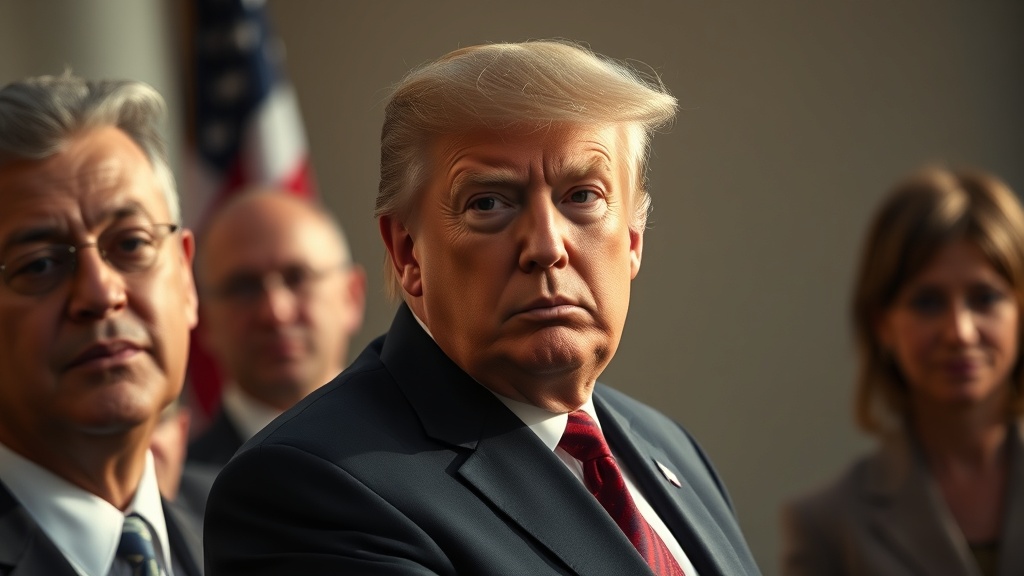
In recent years, the Trump administration has faced criticism for its handling of various domestic and international policies, raising significant concerns about the government's legitimacy and adherence to the rule of law. Observers have noted that the administration's actions may set a troubling precedent, prompting questions about the extent to which citizens can or should respond to perceived governmental overreach.
The Trump administration has been embroiled in a series of controversies that critics argue reflect a blatant disregard for both domestic statutes and international agreements. From immigration policies that many argue violate human rights standards to trade practices that have drawn condemnation from global leaders, the administration's approach has left many wondering about the implications for governance in the United States.
One of the most contentious issues has been the administration's stance on immigration. Policies such as the family separation policy, which led to the widespread separation of children from their parents at the U.S.-Mexico border, have faced legal challenges and widespread public outcry. Organizations such as the American Civil Liberties Union (ACLU) have taken legal action against the government, claiming that these practices violate both U.S. law and international treaties regarding the treatment of refugees and children.
Internationally, the administration's withdrawal from key agreements, such as the Paris Climate Accord and the Iran Nuclear Deal, has raised eyebrows and sparked debates about the United States' role on the global stage. Critics argue that these decisions not only undermine international cooperation but also threaten to isolate the nation from allies who value adherence to international law. The repercussions of these actions have led to a significant re-evaluation of America’s foreign policy, with many questioning the long-term consequences of abandoning commitments made by previous administrations.
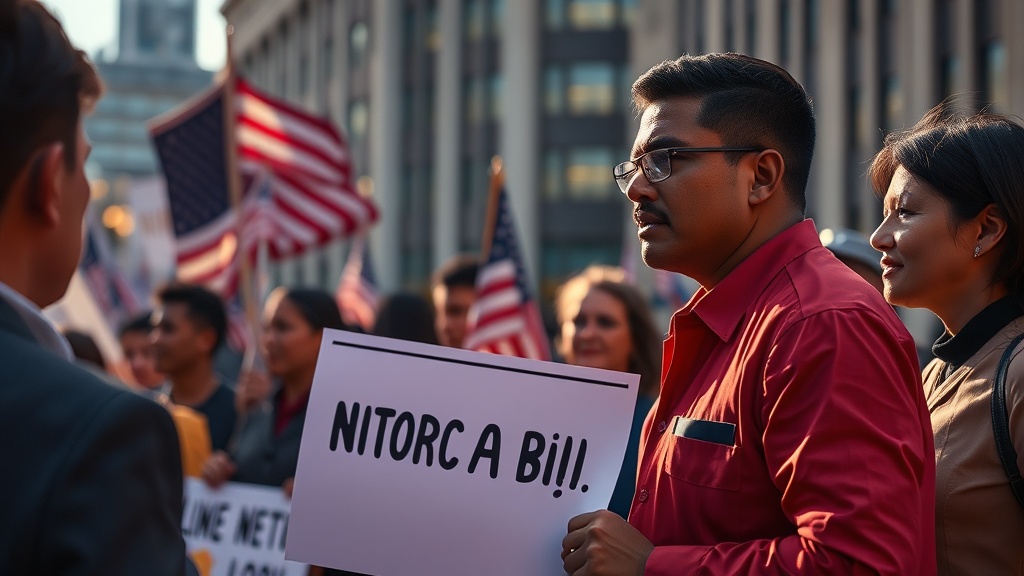
Another area of concern has been the administration's approach to law enforcement and civil rights. The use of federal forces to quell protests in cities like Portland has drawn criticism from civil rights advocates, who argue that such actions represent a dangerous escalation of governmental power. These incidents have prompted discussions about the balance between maintaining public order and respecting citizens' rights to assemble and express dissent.
As the administration continues to navigate these legal and ethical challenges, public sentiment appears divided. Some citizens express frustration and feel disillusioned with a government that they perceive as increasingly authoritarian. In contrast, others support the administration's approach, viewing it as a necessary measure to restore order and prioritize national interests.
This growing divide has raised questions about the legitimacy of the government's authority to enforce laws and regulations. If citizens begin to perceive the government as acting outside the bounds of its legal framework, there is a risk that they may feel justified in ignoring laws themselves. This sentiment could lead to a cycle of lawlessness, where individuals and groups feel empowered to challenge the rule of law based on their interpretations of fairness or justice.
Legal experts warn that such a trend could have dire consequences for democracy and social order. Dr. Emily Roberts, a constitutional law scholar, stated, "When a significant portion of the populace feels that the government is not adhering to the law, it creates a dangerous precedent. Respect for the rule of law is fundamental in a democratic society, and any erosion of this principle can lead to chaos and instability."
As the administration continues to face scrutiny over its policies and actions, the question remains: what is the appropriate response for citizens who feel that their government is no longer acting in good faith? While peaceful protest and legal recourse are vital tools for civic engagement, some argue that a more robust public discourse is necessary to hold leaders accountable.
In conclusion, the current state of governance under the Trump administration raises significant concerns about the adherence to legal norms and the implications for public trust in government. As citizens grapple with these issues, the need for a renewed commitment to the rule of law and democratic principles becomes increasingly apparent. The future of governance in the United States may depend on how effectively citizens and leaders alike can navigate these complex challenges while promoting accountability and justice within the framework of the law.