Minnesota and Twin Cities File Lawsuit Against Federal Immigration Policies
Minnesota and the Twin Cities sue the federal government over alleged political targeting in immigration enforcement, claiming First Amendment violations.
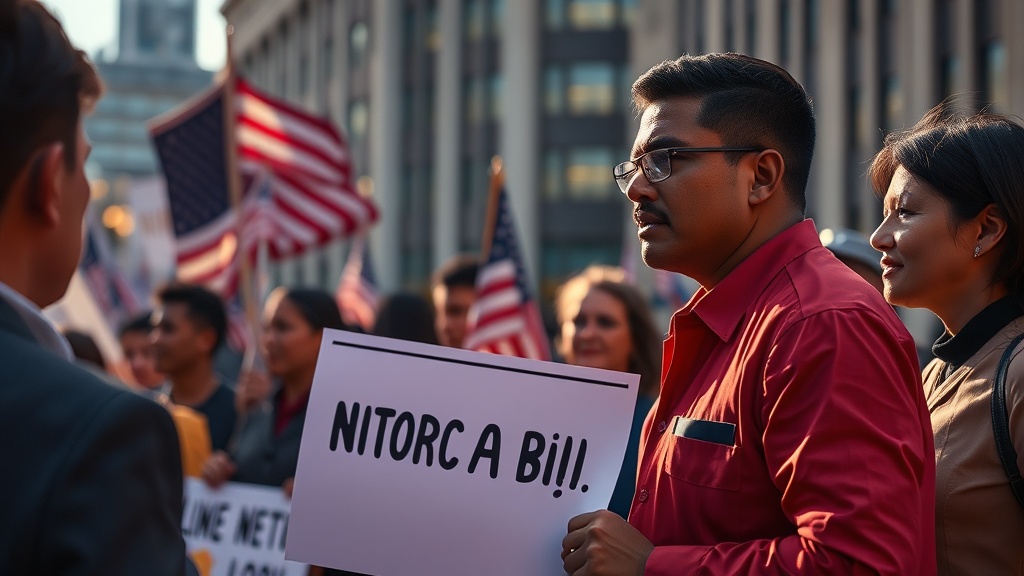
In a significant legal move, Minnesota and the Twin Cities have filed a lawsuit against the federal government, challenging what they describe as an overreaching immigration enforcement strategy that they claim targets the state for political motives. The lawsuit, filed in the U.S. District Court, articulates concerns that the federal immigration policies violate the First Amendment rights of local governments and communities, highlighting a growing tension between state and federal authorities regarding immigration enforcement.
Minnesota Attorney General Keith Ellison, who is spearheading the lawsuit, stated, "This is not just about immigration. It’s about our fundamental rights as a state and the rights of our residents to express their political opinions without fear of reprisal. We believe the federal government is using immigration policy as a political tool against states like Minnesota that have historically supported immigrant communities."
The legal action arises amidst a backdrop of heightened immigration enforcement that has sparked widespread concern among local leaders and advocacy groups. According to the lawsuit, the federal government has increasingly targeted Minnesota through aggressive immigration raids and policies that disproportionately impact communities of color, particularly within the Twin Cities, which have a significant immigrant population. This, they argue, creates an atmosphere of fear and anxiety among residents who might otherwise engage in civic activities.
The lawsuit asserts that the tactics employed by federal agencies, including the Department of Homeland Security (DHS) and Immigration and Customs Enforcement (ICE), represent a coordinated effort to undermine local governance and community trust. The complaint describes specific instances where federal agents have conducted raids in community spaces, such as schools and churches, which have historically been viewed as safe havens. Local leaders argue that these actions not only disrupt families but also deter individuals from participating in essential community functions, such as attending school or accessing healthcare services.
In a public statement, Minneapolis Mayor Jacob Frey emphasized, "We stand with our immigrant communities and will not allow federal overreach to dictate how we support our residents. This lawsuit is about protecting our values as a city and ensuring that everyone feels safe and welcome in our neighborhoods."
The legal team representing Minnesota and the Twin Cities contends that the federal government’s actions violate the principles of federalism, which are designed to maintain a balance of power between state and federal authorities. They argue that states have the right to create their own policies regarding immigration, particularly when it comes to protecting the rights of their residents. This lawsuit may set a precedent for how states can challenge federal immigration policies that they deem unjust or politically motivated.
The implications of this lawsuit are far-reaching, as it may influence similar legal actions across the country. Many states with large immigrant populations are closely monitoring the outcome of Minnesota's case, as they grapple with their own relationships with federal immigration enforcement. This case could potentially embolden other states to pursue legal remedies against federal policies they feel are unfairly targeting their communities.
Critics of the federal immigration policies argue that these measures not only threaten the rights of immigrants but also undermine public safety. Community advocates worry that the fear of deportation can prevent individuals from reporting crimes, seeking medical help, or cooperating with law enforcement. The lawsuit aims to address these concerns by seeking a judicial ruling that would limit the scope of federal immigration enforcement in Minnesota, thereby restoring a sense of security to its residents.
As the case moves forward, both sides are expected to present extensive evidence and witness testimony to support their arguments. The outcome will likely hinge on interpretations of the First Amendment and the extent to which states can assert their rights against federal mandates. Legal experts suggest that the decision could have significant ramifications for immigration policy and state-federal relations across the United States.
The lawsuit is one of several recent actions taken by local governments against federal immigration enforcement strategies. As the political landscape continues to evolve, the tension between state and federal authorities over immigration policy remains a contentious issue, with advocates on both sides passionately defending their positions. Minnesota's lawsuit is poised to be a landmark case that could reshape the conversation around immigration enforcement and the rights of local governments in the United States.