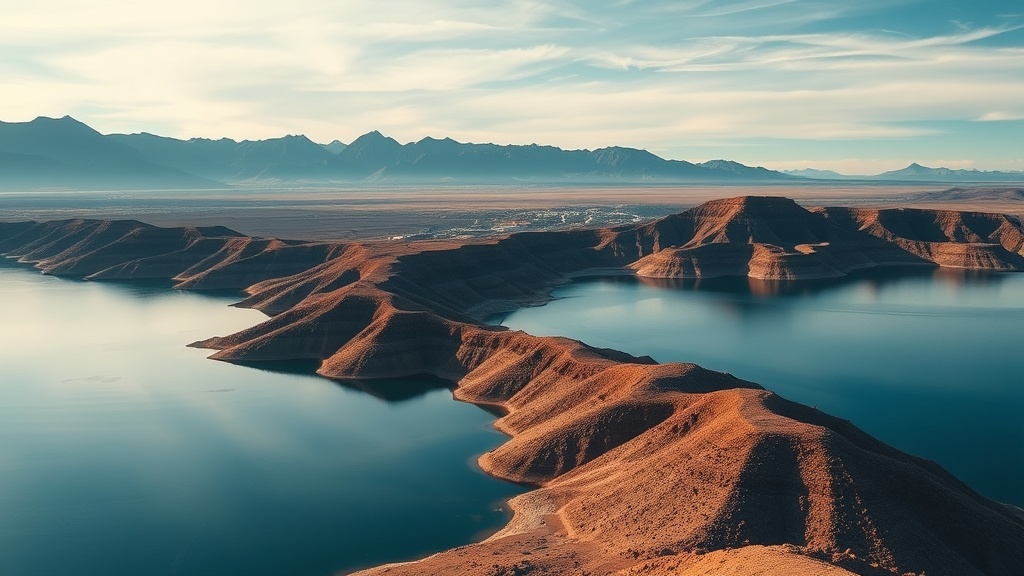
Tribes Assert Their Role in Colorado River Management Amid Ongoing Drought
Tribal nations assert their rights in Colorado River management, emphasizing inclusion in conservation efforts amid ongoing drought challenges.
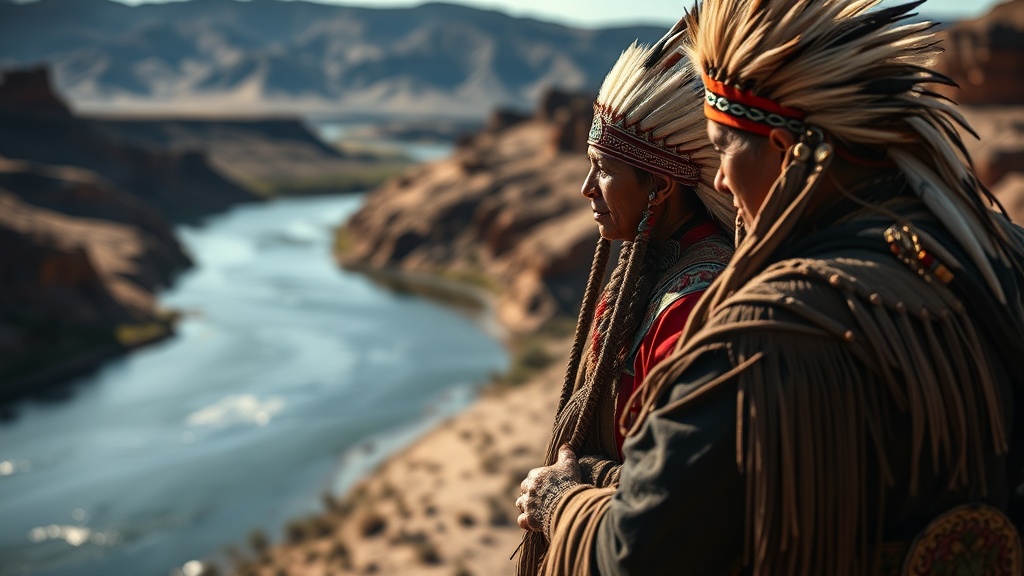
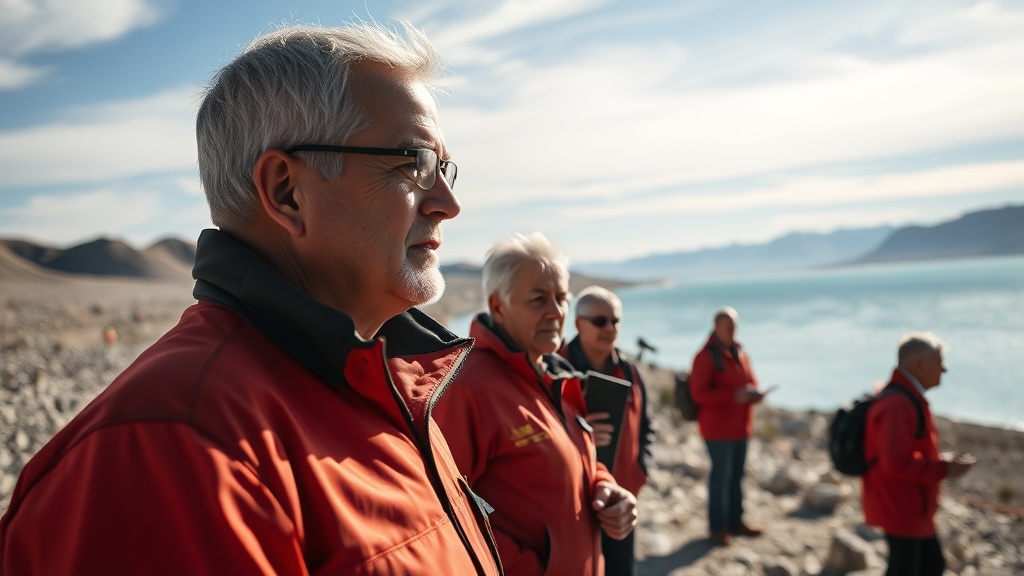
Tribal nations across the western United States are increasingly vocal about their rights and roles in the management and conservation of the Colorado River, a vital water source that supports millions of people and ecosystems. During the recent Colorado River Water Users Association conference held at Caesars Palace in Las Vegas, tribal representatives emphasized the need for inclusion in future agreements regarding the river's water management, especially as negotiations among the seven Colorado River Basin states enter a critical phase.
The Colorado River, which serves as a crucial lifeline for agriculture, urban areas, and natural habitats, has been under immense stress due to prolonged drought conditions and over-allocation. The seven states—Arizona, California, Nevada, Colorado, New Mexico, Utah, and Wyoming—must come to an agreement by February 14, 2024, on how to manage water resources as existing operational rules are set to expire at the end of 2026. If they fail to do so, the federal government may intervene with its own plan, potentially sidelining tribal interests.
Mike Natchees, a member of the Ute Indian Tribe Business Committee, articulated the urgency of tribal involvement in these discussions. He pointed out that the Ute Indian Tribe possesses significant senior water rights—500,000 acre-feet in the Green River basin in Utah. However, the tribe faces challenges in fully utilizing this allocation due to a lack of infrastructure and funding, resulting in water flowing downstream without compensation. "It just continues to flow downstream. We are uncompensated for it. It is undeveloped. And again, that is unacceptable for the Ute Indian Tribe," Natchees stated, highlighting the inequities faced by tribes in water management discussions.
The conference featured discussions among representatives from dozens of tribes, all asserting that any new agreements must recognize their water rights and include their voices in decision-making processes. The stark divide between the Upper and Lower Basin states over water usage during dry years was a focal point of contention. Historically, the Lower Basin states have utilized nearly all of their 7.5 million acre-feet allocation, while Upper Basin states have only tapped into 4.5 million acre-feet. This discrepancy raises questions about fairness and sustainability in water distribution.
Natchees underscored that the impact of water cuts on tribes in the Upper Basin has largely been overlooked in negotiations, urging for a more equitable approach. He expressed hope that tribes will eventually gain representation on the Upper Colorado River Commission, which governs water management for Wyoming, Colorado, Utah, and New Mexico. "The bottom line is that the Lower Basin is just simply over-allocated. They’re overusing and they’re doing it with no regard to anyone in the Upper Basin, which feeds their system, and that needs to change," he said.
Tribal leaders also showcased their ongoing conservation efforts, which have proven vital amid the water crisis. Jonathan E. Koteen, President of the Fort Yuma Quechan Indian Tribe, shared that his tribe signed an agreement in 2025 to conserve 13,000 acre-feet of water to elevate Lake Mead's levels. This initiative, coupled with additional water savings from seasonal fallowing agreements with the Metropolitan Water District of Southern California, enabled California to meet its conservation goals a year ahead of schedule.
"Tribal inclusion must be formal, meaningful, and permanent. Tribes are not new participants. We are the original stewards of the river, and our voices must be part of shaping the future family," Koteen asserted, reinforcing the need for a collaborative approach to water management.
Additionally, innovative conservation strategies have emerged from tribal initiatives. The Fort Yuma Quechan Indian Tribe secured funding to line its Reservation Main Canal, which significantly reduced water seepage and improved delivery efficiency. Similarly, the Jicarilla Apache Nation entered a groundbreaking 10-year water-sharing agreement with New Mexico and The Nature Conservancy in 2023, allowing for the lease of up to 20,000 acre-feet of water annually. This strategic release of water not only bolsters endangered fish habitats but also enhances water security for the state.
Jenny Dumas, the water attorney for the Jicarilla Apache Nation, noted that while such agreements are beneficial, they may not be replicable for all tribes due to differing needs. The Ute Mountain Ute Tribe's Councilmember Conrad Jacket highlighted that while some tribes can economically reduce crops for payment, his tribe faces challenges in doing so, emphasizing the need for flexible tools that would allow water conservation strategies to adapt to varying conditions.
As the clock ticks down to the deadline for a new water-sharing agreement, tribal nations remain committed to playing an integral role in stabilizing the Colorado River and securing their rights. During the conference, key stakeholders, including the Colorado River Indian Tribes and the Gila River Indian Community, signed a proclamation aimed at collaborative efforts to protect and manage the river.
Amelia Flores, Chairwoman of the Colorado River Indian Tribes, succinctly captured the urgency of the situation: "All of us who live in Arizona, native and non-native alike, are connected by water, for without water, there is no life. And it is that common thread that binds us, which has us here today, pledging to work together for the greater good of all who live in Arizona." As negotiations proceed, the call for tribal inclusion and recognition of water rights echoes louder, underscoring the importance of collaboration in addressing one of the most pressing environmental challenges of our time.