Tragic Wandering Incidents Highlight Risks for Utah's Elderly Care Facilities
A troubling trend of elderly residents wandering from Utah care facilities raises safety concerns, with tragic outcomes highlighting the need for better supervision.

In Utah, a troubling trend has emerged among the state’s care facilities, particularly those housing elderly residents with cognitive impairments such as dementia. Recent investigations have revealed nearly 230 incidents of older adults wandering away from nursing homes and assisted living centers, with some cases resulting in dire consequences. These incidents underscore both the vulnerabilities of this population and the critical need for enhanced safety measures within these facilities.
One alarming case unfolded in January 2023 when a dementia patient at a nursing home in Sandy wandered outside through a door that was supposed to be locked at all times. In freezing conditions, she fell in the snow and was unable to get up. By the time staff discovered her, she was suffering from hypothermia, as noted in a federal inspection report. This incident is part of a larger pattern that has raised concerns about the adequacy of supervision in such facilities.
Later that same year, on a sweltering July day, a resident at a Murray nursing home left the premises and collapsed outside from heat exhaustion. A passerby found him partially unconscious and provided assistance before returning him to safety. Such near-misses highlight the urgent need for improved protocols and staffing in facilities that care for vulnerable populations.
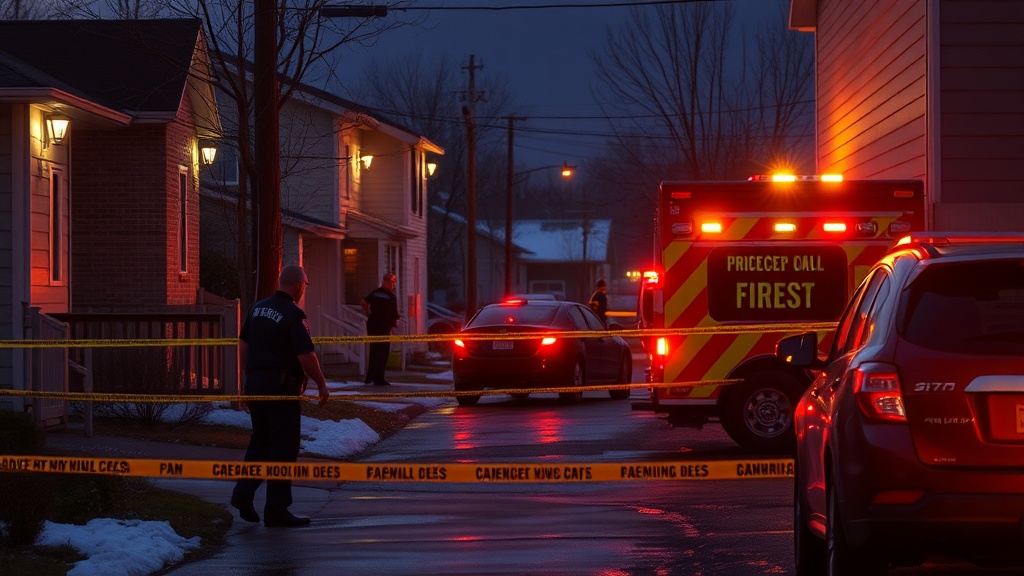
Perhaps the most tragic incident occurred in September 2023 when James Buchanan, a 77-year-old Vietnam War veteran with dementia, slipped away from a secured memory unit at his nursing home in South Ogden. After disappearing unnoticed, he was later found dead in a canal, an outcome that his family believes could have been prevented had proper safety measures been in place. "This was something that never should have happened," stated Rachel Sykes, the family’s attorney, who is currently representing them in a lawsuit against the facility.
The investigation by FOX 13 News, backed by thousands of pages of federal inspection reports, police records, and Silver Alerts, indicates that the number of wandering incidents is likely underestimated. Many of these cases involve residents who were previously identified as at risk due to cognitive impairments or other health concerns. However, records also show that some residents who are cognitively intact have wandered away, prompting missing person reports.
Eilon Caspi, a gerontologist and expert in elder mistreatment, pointed out that inadequate supervision is often a significant factor contributing to these wandering incidents. He noted that many of the events tend to occur during night hours, weekends, or times when staffing levels are insufficient. "A lot of these instances occur when residents are not engaged in meaningful activities," Caspi explained, underscoring the correlation between low staffing and increased wandering behavior.
While some residents have sustained injuries or faced life-threatening situations, many have been returned safely to their facilities. Caspi stressed the importance of tracking all wandering events, arguing that near misses should inform future safety measures to prevent severe outcomes. Allison Spangler, president and CEO of the Utah Health Care Association, acknowledged that while wandering events are uncommon, every incident that results in harm is tragic. She emphasized the need for facilities to strike a balance between securing the premises and respecting residents' autonomy.
Wandering is a common symptom associated with Alzheimer’s disease and other forms of dementia, with the Alzheimer’s Association estimating that about 60% of individuals with dementia will wander at least once. As Utah’s population ages, the issue is expected to escalate. Jeremy Cunningham, director of public policy for the Alzheimer’s Association in Utah, highlighted the urgency of the situation, noting that the establishment of the Silver Alert program in 2019 has helped recover over 40 missing elderly individuals.
The program emphasizes the critical time frame for locating missing adults, as the chances of a safe return diminish significantly after just a few hours. Cunningham noted that the community plays a vital role in preventing tragedies, urging citizens to remain vigilant and intervene if they see older adults in distress or appearing lost.
In the case of James Buchanan, his family trusted the facility to provide a safe environment for their father, who had exhibited exit-seeking behaviors. However, after multiple incidents of wandering, they allege that South Ogden Post Acute failed to implement necessary precautions, such as increased monitoring or the use of WanderGuard technology, which is designed to alert staff when a resident leaves secured areas. The facility has denied these allegations in court.
As investigations continue and families seek accountability for their loved ones’ deaths, experts advocate for systemic changes within long-term care facilities. Caspi emphasized that while assistive technologies like WanderGuards can be beneficial, they should not replace the essential human connection that is vital for the well-being of residents. Investing in staff training and engagement activities may not only enhance resident safety but also improve the overall quality of care in these facilities.
The tragic stories of those like James Buchanan serve as a stark reminder of the vulnerabilities faced by the elderly population in Utah. As families grapple with loss, the call for enhanced safety measures and accountability within care facilities grows louder, highlighting a pressing need to protect one of society’s most vulnerable demographics.