Blake Moore Faces New Challenges as Co-Chair of Denmark Caucus
Blake Moore's role as co-chair of the Denmark Caucus faces new challenges amid geopolitical tensions and domestic political pressures.
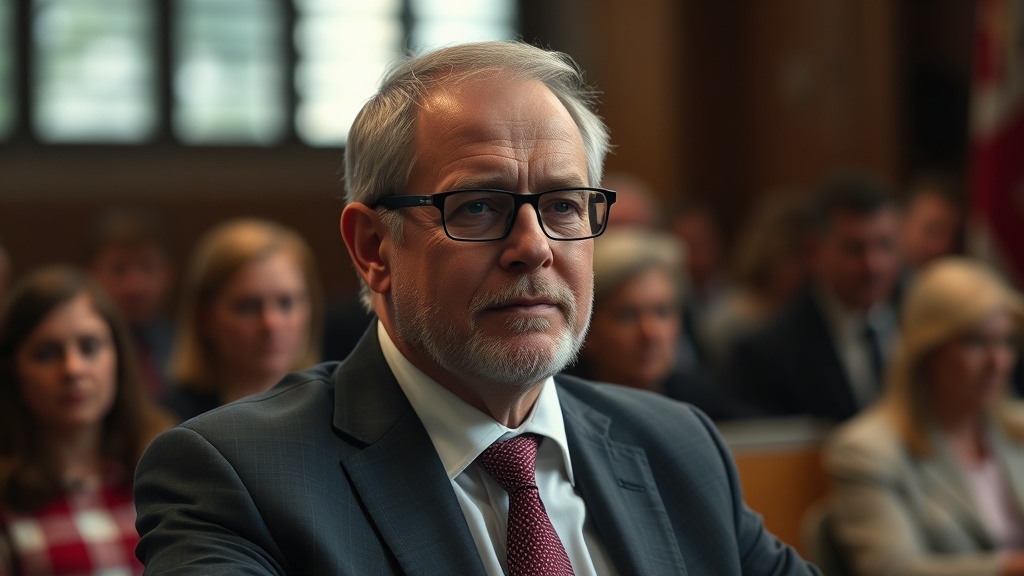
In a recent development, Utah Republican Representative Blake Moore's role as the co-chair of the Congressional Friends of Denmark Caucus has become increasingly complex. Initially, Moore anticipated that his position would be relatively straightforward, allowing him to celebrate his family’s Danish heritage while fostering stronger ties between the United States and Denmark. However, recent geopolitical developments and domestic political pressures have added layers of difficulty to his responsibilities.
The Congressional Friends of Denmark Caucus, which aims to enhance relations between the two nations, has been a platform for promoting mutual interests, including trade, culture, and Nordic cooperation. Moore, who holds a unique connection to Denmark through his family lineage, expressed enthusiasm for the role when he was appointed co-chair earlier this year. "This position is more than just a title for me; it’s a chance to honor my family’s roots and promote the values we share with Denmark," Moore stated in an interview.
However, the current international landscape poses challenges that Moore could not have foreseen. Tensions in Europe have escalated due to ongoing conflicts and economic instability, which have implications for U.S.-Denmark relations. In recent months, Denmark has increased its defense spending and taken a proactive stance in European security matters, particularly in response to Russia’s aggressive posture. This shift has raised questions about how the U.S. can best support its European allies, and Moore's role in facilitating that dialogue has gained significance.
Moreover, the ongoing debate in Congress regarding military aid and foreign policy priorities complicates Moore’s duties. Lawmakers are increasingly divided on issues related to defense spending and foreign aid, making it difficult for caucus members to establish a unified stance on support for Denmark and, by extension, other NATO allies. Moore recognizes the need for a collaborative approach in these discussions. "We must engage in a constructive dialogue about our commitments to our allies, especially in times of uncertainty. It’s essential that we find common ground," he emphasized.
In addition to geopolitical challenges, Moore is tasked with addressing domestic issues that resonate with his constituents in Utah. As Republicans in Congress grapple with internal divisions over fiscal responsibility and foreign engagements, Moore must balance his duties as co-chair of the Denmark Caucus with the expectations of his voters back home. Many Utah residents are concerned about how foreign aid and international partnerships impact local economic priorities.
To navigate these complexities, Moore has begun to leverage his unique background and personal connections. He has initiated outreach efforts to local Danish-American communities in Utah, emphasizing the importance of cultural ties and mutual support. By doing so, he aims to bolster local engagement while reinforcing the significance of the relationship between the U.S. and Denmark.
The caucus is also exploring opportunities for increased economic cooperation, particularly in sectors such as renewable energy and technology. Denmark is a global leader in wind energy and sustainable practices, areas that align with U.S. interests in combating climate change. Moore sees potential for collaboration that could benefit both nations economically and environmentally. "The future of our partnership lies in innovation and sustainability. By working together, we can create jobs and lead the way in green technology," he stated.
As Moore delves deeper into his role, he is also faced with the challenge of maintaining bipartisan support within the caucus. Historically, the Friends of Denmark Caucus has attracted members from both parties, united in their commitment to fostering transatlantic ties. However, recent political polarization has raised concerns about the ability to address issues collaboratively. Moore is emphasizing the importance of dialogue and shared objectives, stating, "Our focus should be on the common interests that unite us rather than the divisions that can hinder progress."
As he navigates these multifaceted challenges, Moore's leadership will be critical in shaping the future of U.S.-Denmark relations. His ability to connect with his constituents, foster bipartisan dialogue, and address pressing international issues will ultimately define his effectiveness in this role. While the road ahead may be fraught with difficulties, Moore remains committed to honoring his family's heritage while advocating for strong ties between the two nations.
In conclusion, Blake Moore's tenure as co-chair of the Congressional Friends of Denmark Caucus is marked by unexpected challenges and opportunities. As he strives to honor his roots and promote collaboration between the U.S. and Denmark, his ability to balance local concerns with international responsibilities will be vital for the future of this important relationship. With ongoing geopolitical tensions and domestic political dynamics at play, Moore's leadership will be crucial in navigating the complexities of his role.