The Importance of Affordability in Political Campaigns Today
Affordability is a central theme in the 2024 elections as candidates address rising costs that impact American households.
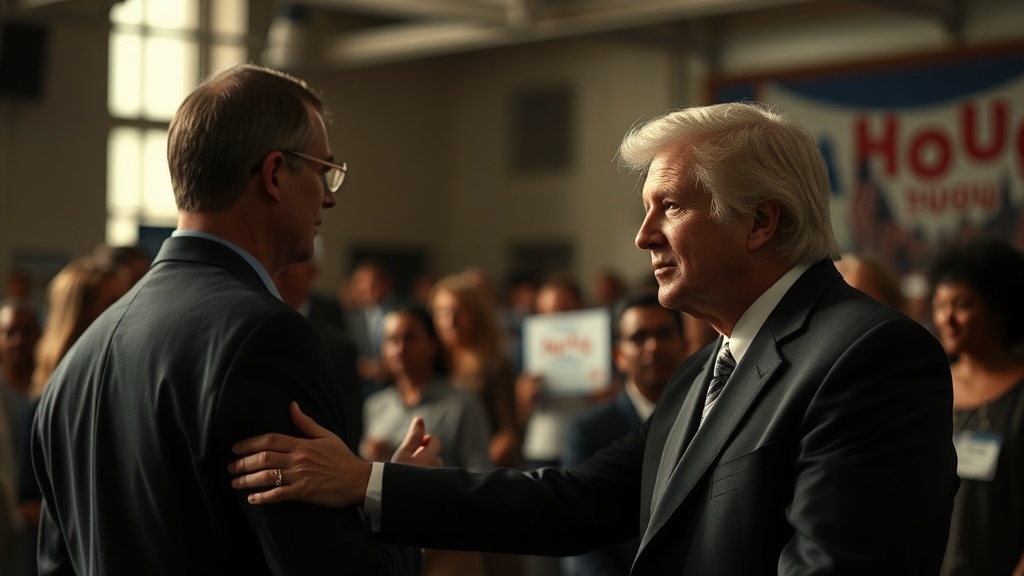
As the 2024 election cycle ramps up, affordability is becoming a central theme for political candidates across the United States. With soaring inflation and rising living costs, many Americans are feeling the pinch, prompting a growing chorus of voices from candidates who are eager to address these pressing economic concerns. The notion of affordability is not only a buzzword; it represents a critical issue that voters are increasingly prioritizing in their decision-making processes.
Recent surveys indicate that a significant number of Americans, regardless of their political affiliation, are concerned about the rising costs of essential goods and services. From groceries to housing, the burden of inflation is palpable. According to a recent poll conducted by the Pew Research Center, nearly 70% of respondents believe that their financial situation has worsened over the past year. This sentiment is echoed by economists who warn that the current economic climate poses serious challenges for the average American household.
Candidates from both major parties are beginning to recognize the urgency of addressing affordability in their platforms. Democratic candidates, for instance, have been advocating for policies that aim to lower healthcare costs and expand access to affordable housing. On the other hand, Republican candidates are focusing on tax cuts and deregulation as means to stimulate economic growth and ultimately lower costs for consumers. This divergence in approach underscores a growing recognition that the electorate is increasingly demanding tangible solutions to economic challenges.
However, political commentators caution that candidates who capitalize on the public's frustrations with rising costs must be prepared to deliver on their promises once in office. Failure to do so can lead to a rapid decline in public support, as seen during the Trump administration. Despite initial enthusiasm and strong voter backing, many of Trump's supporters became disillusioned when they felt their economic concerns were not adequately addressed. This historical precedent serves as a stark reminder for current candidates that the stakes are high when it comes to economic promises.
Economists are divided on the government's role in addressing affordability. Some argue that while political candidates can make bold claims, the reality of governance often complicates the implementation of these ideas. For instance, measures to control inflation or reduce living costs may require complex economic reforms that take time to bear fruit. Additionally, the interplay between global economic factors—such as supply chain disruptions and international trade policies—further complicates domestic affordability issues.
Moreover, some experts warn that simplistic solutions may not only be ineffective but could also exacerbate economic problems. 'Policy proposals that sound good on the campaign trail may not hold up under the scrutiny of real-world economics,' said Dr. Sarah Thompson, an economist at the University of Utah. 'We need comprehensive approaches that consider the long-term implications of any affordability measures.' This perspective highlights the need for candidates to be grounded in reality rather than relying solely on populist rhetoric.
As the election approaches, the challenge for political candidates will be to balance the urgent demands of voters for immediate relief with the complex realities of economic policy. Candidates who can articulate a clear vision for addressing affordability while acknowledging the limitations of government intervention may find themselves resonating with voters.
In addition to affordability, other related issues are also surfacing in political discourse. Topics such as wage growth, job creation, and education costs are becoming increasingly intertwined with the affordability narrative. Candidates are recognizing that a holistic approach to economic issues will likely appeal to a broader electorate.
As discussions about affordability continue to unfold, it is clear that this issue will remain at the forefront of political agendas. Voters are seeking leaders who not only understand the complexities of modern economic challenges but who also demonstrate a commitment to finding viable solutions. The potential implications for the upcoming election are significant; candidates who successfully navigate this landscape may not only gain the support of frustrated voters but also set the course for future economic policies.
In conclusion, affordability is emerging as a critical theme in the political arena, driven by the pressing economic challenges facing many Americans today. As candidates gear up for the 2024 elections, their ability to address and provide solutions for affordability will likely influence voter sentiment and shape the political landscape in the months to come.