Southern Utah University Eyes Vineyard Gift for New Agriculture Campus
Southern Utah University may receive a vineyard gift, aiming to create an agriculture campus that enhances local education and economy.
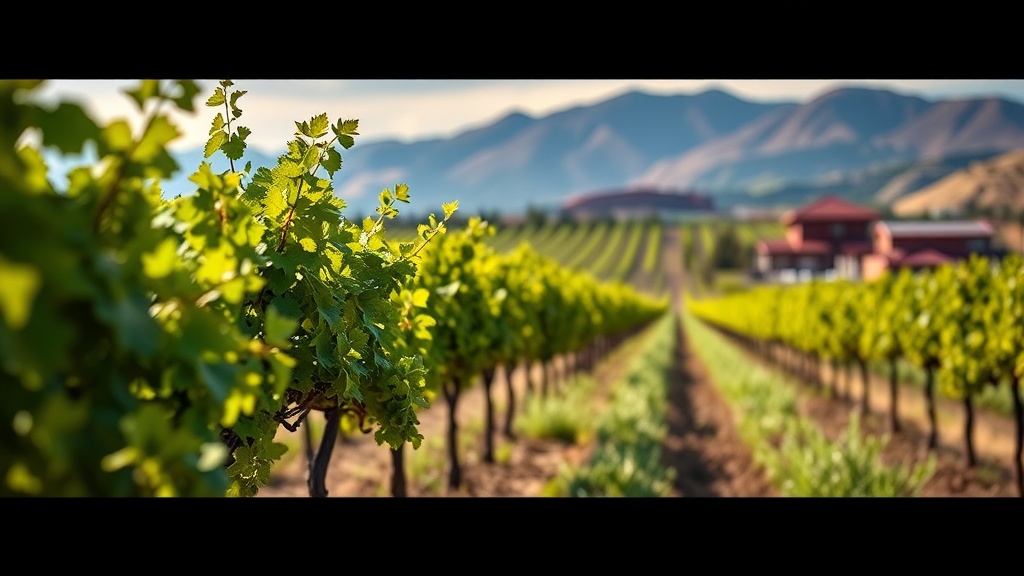
In a surprising yet promising development, Southern Utah University (SUU) is on the verge of receiving a vineyard gift that could pave the way for the establishment of a comprehensive agriculture campus. The initiative is rooted in the unique geographical and climatic conditions of southern Utah, which some experts argue provide an ideal environment for viticulture. The university is actively exploring ways to transform this potential vineyard into a learning and research hub focused on sustainable agriculture and winemaking.
The vineyard, located in the high deserts of southern Utah, boasts rusty red soil that is particularly well-suited for cultivating specific grape varieties essential for fine wine production. Local vintners have long known about the potential of this land. In recent years, they have been working to revive and enhance the region’s wine industry, showcasing the area's unique terroir. According to Dr. Lisa Johnson, a professor of agriculture at SUU, the university’s vision aligns perfectly with the local agricultural landscape. “The soil here is rich in minerals and has excellent drainage, which is crucial for grape cultivation,” she explained. “This vineyard could serve as an educational platform to teach our students about sustainable practices in viticulture.”
The proposal for the vineyard as part of the new agriculture campus has garnered significant attention from both the university community and local stakeholders. University officials have been in discussions with private vineyard owners and local agricultural experts to explore the feasibility of transferring ownership and establishing a partnership that would benefit all parties involved. “This gift could be a game-changer for our agricultural program,” stated SUU President Scott Wyatt. “It would not only enhance our curriculum but also contribute to the local economy by promoting tourism and agricultural innovation.”
Southern Utah has a growing reputation for its wine production, with local vineyards already producing high-quality wines that have gained recognition in regional competitions. The region’s climate, characterized by warm days and cool nights, allows for extended grape ripening, which is essential for developing complex flavors in wine. The integration of this vineyard into SUU’s agriculture program could further elevate the standards of local winemaking, providing students with hands-on experience and exposure to the industry.
In addition to viticulture, the proposed agriculture campus is expected to encompass a variety of programs aimed at addressing broader agricultural challenges. This includes sustainable farming techniques, irrigation practices adapted to arid climates, and the importance of biodiversity in agricultural systems. The university aims to attract students interested in agriculture, environmental science, and food production, creating a multidisciplinary approach to education in these fields.
Local farmers and ranchers have expressed enthusiasm about the potential partnership between SUU and the vineyard. “Having the university involved in agriculture will benefit all of us,” remarked local farmer John Miller. “Education and research are crucial for us to adapt and thrive in changing environmental conditions. This vineyard could become a vital resource for innovation.”
Moreover, the establishment of an agriculture campus at SUU could serve as a catalyst for economic growth in the region. The influx of students and faculty who are passionate about agriculture could lead to increased demand for local products and services. Additionally, the potential for hosting events, wine tastings, and educational workshops at the vineyard could attract tourists, contributing to the overall economic development of southern Utah.
While discussions are still ongoing, the university is optimistic about the future of this initiative. Plans for the vineyard’s development are expected to include research facilities, classrooms, and wine-tasting rooms, offering a comprehensive educational experience. “Our goal is to create a space where students can learn about agriculture in a real-world setting,” said Dr. Johnson. “The vineyard can be a living laboratory, offering insights into both traditional and modern practices.”
As the project progresses, SUU aims to keep the community informed and engaged. Public meetings and informational sessions are planned to discuss the benefits and vision of this new campus. Local residents, students, and interested stakeholders will have the opportunity to provide input and learn more about how the vineyard can serve the educational and economic needs of the region.
In conclusion, the potential gift of a vineyard to Southern Utah University presents an exciting opportunity for both the university and the local community. With the right support and resources, this initiative could transform the agricultural landscape in southern Utah, fostering innovation, education, and economic growth in the process. As the university moves forward with its plans, the future of agriculture in the region appears to be blossoming, much like the grapes that could soon thrive in the high desert soil.