Salt Lake City Rally Demands Congressional Action on Presidential War Powers
Protesters in Salt Lake City demand Congress reclaim war powers amid global tensions.
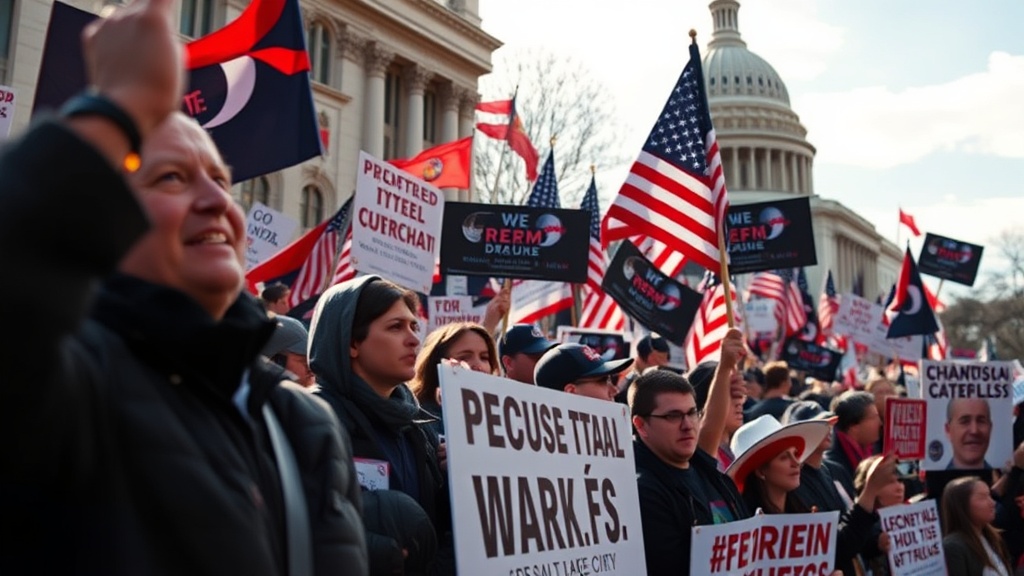
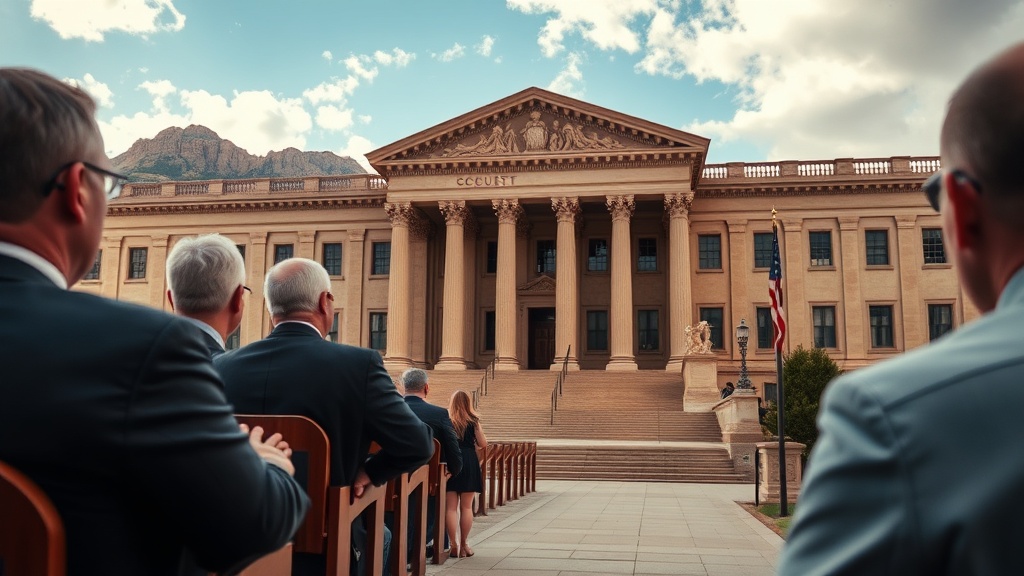
On a brisk Monday afternoon, a diverse group of protesters gathered at the Utah State Capitol in Salt Lake City, united by a common call: to rein in the presidential war powers that they argue have expanded unchecked. The rally, organized by several local advocacy groups, was originally scheduled prior to a significant military operation in which the United States apprehended Venezuelan President Nicolás Maduro. However, organizers emphasized that the recent events have made their message even more urgent and relevant.
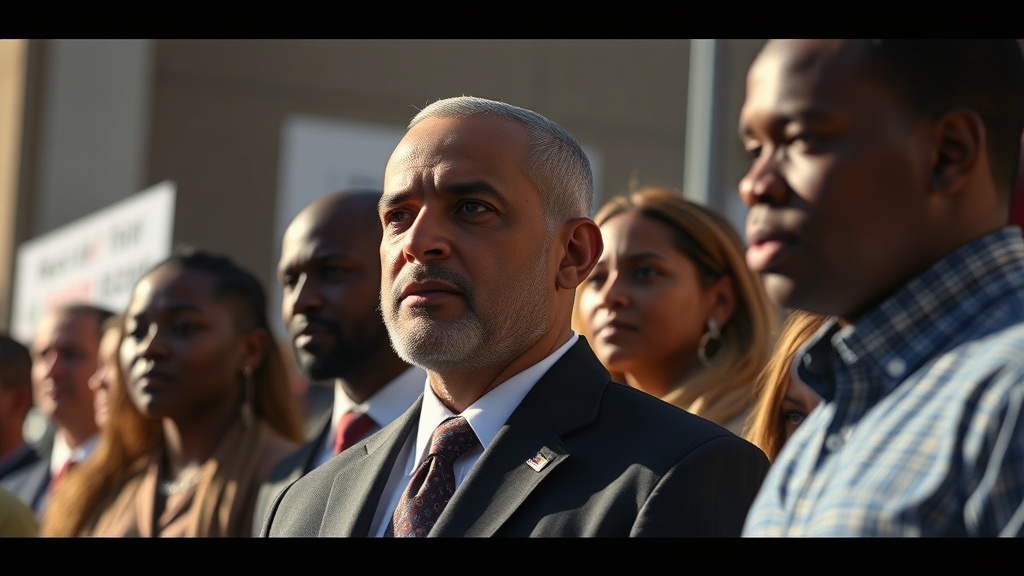
As participants began to assemble, a palpable sense of determination filled the air. Holding signs emblazoned with slogans like "No More Endless Wars" and "Congress Must Act," the crowd voiced their frustrations over what they perceive as a troubling trend of executive overreach in matters of war and peace. Speakers at the rally included local activists, veterans, and representatives from peace organizations, each highlighting the importance of restoring the balance of power as outlined in the U.S. Constitution.
"The Founding Fathers designed a system of checks and balances for a reason," said Sarah Thompson, a veteran and one of the keynote speakers. "No single person should have the authority to unilaterally engage in military actions without congressional approval. It’s time for Congress to reclaim its power and hold the executive branch accountable."
The protest coincided with escalating tensions in global politics, particularly following the U.S. military's recent operation in Venezuela. Maduro's detention has drawn international scrutiny, and many protesters expressed their concerns that such actions could lead to further conflict. Chris Mendoza, a local activist, voiced his fears regarding the ramifications of military interventions, stating, "Every time the U.S. intervenes in another country’s affairs, we risk not only the lives of our soldiers but also the lives of civilians caught in the crossfire. It’s time to prioritize diplomacy over warfare."
The rally also featured a moment of silence for those who have lost their lives in conflicts initiated without congressional approval. Attendees stood together, reflecting on the consequences of prolonged military engagements, from the human cost to economic repercussions. Many participants shared personal stories of family members who served in the military, emphasizing the toll that war takes on individuals and families.
In the backdrop of the rally, discussions about the War Powers Resolution of 1973 resurfaced. This legislation was designed to limit the president's ability to engage in military action without congressional consent, yet critics argue that it has been largely ineffective. According to a recent report from the Congressional Research Service, presidents have often circumvented the resolution by framing military actions as necessary for national security.
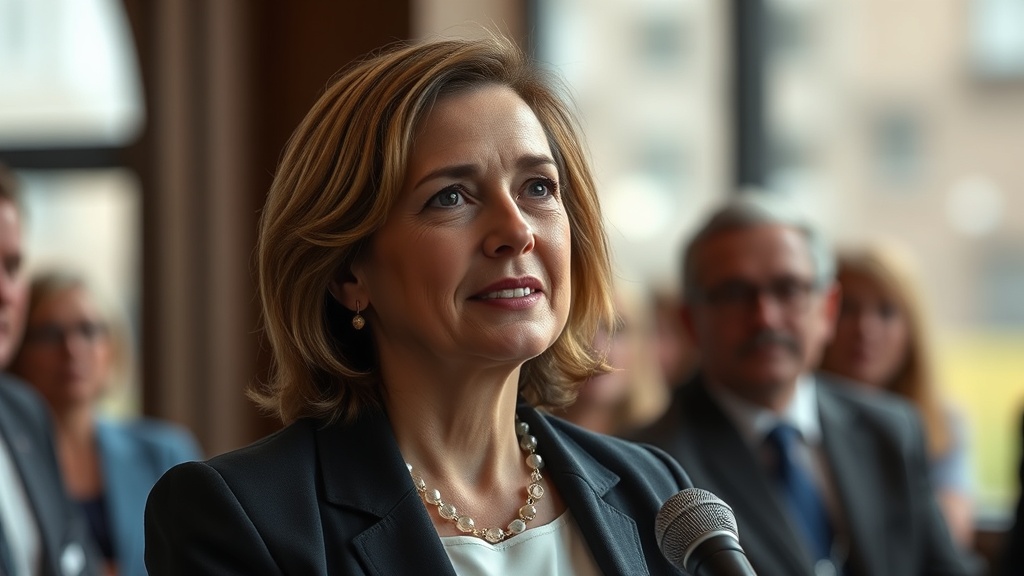
"The War Powers Resolution is a critical piece of legislation, but it has been eroded over time by executive actions and the willingness of Congress to abdicate its responsibilities," said Dr. Emily Ross, a political science professor at the University of Utah who attended the rally. "The public needs to understand that this is not just a political issue; it’s a matter of constitutional fidelity. We need to restore the legislative branch’s role in matters of war."
As the rally continued, several attendees took to the microphone to share their thoughts on the implications of unchecked presidential war powers. Many argued that the increasing frequency of military actions authorized without congressional debate undermines democracy and public trust in government. The sentiment resonated with the crowd, who chanted slogans demanding a return to accountability.
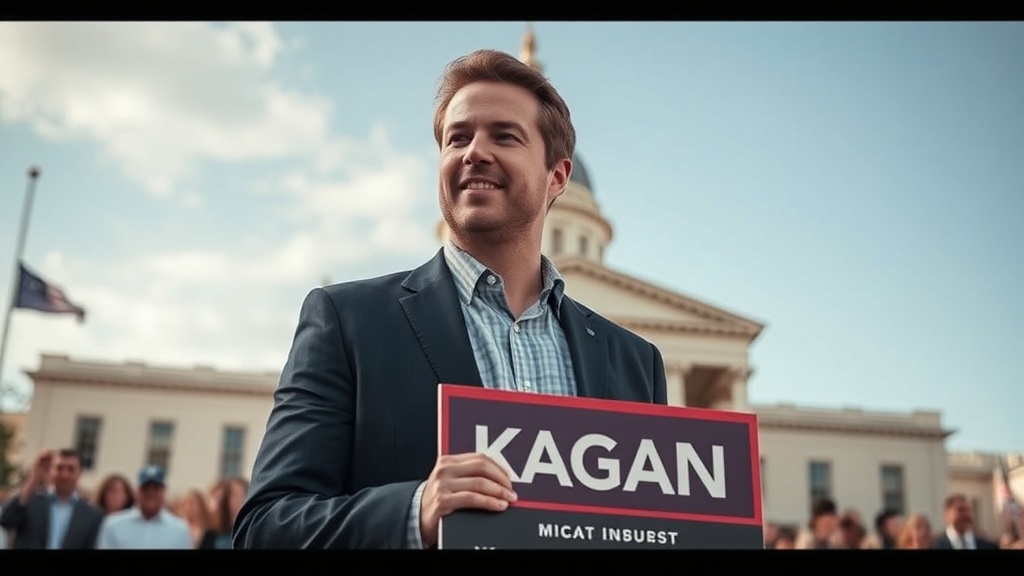
The event also served as a platform for local political candidates to express their positions on the issue. Several candidates running for office in the upcoming elections emphasized their commitment to restoring the constitutional balance regarding war powers. "If elected, one of my first priorities will be to introduce legislation that reinforces the importance of congressional approval for military actions, ensuring that the voices of our constituents are heard," declared Emily Chen, a candidate for the House of Representatives.
As the sun began to set, the rally concluded with a call to action. Organizers encouraged attendees to contact their representatives and demand a reevaluation of current military engagements, particularly in light of the recent operation in Venezuela. "Your voice matters," Thompson urged the crowd. "We need to hold our leaders accountable and ensure that the decision to go to war is not taken lightly."
The Salt Lake City rally is part of a larger movement across the nation, with similar protests occurring in various cities advocating for the same cause. As debates around presidential war powers continue to intensify, the voices of concerned citizens are becoming increasingly prominent, reminding lawmakers of the critical need for oversight and accountability in military engagements. The outcome of these discussions may shape not only U.S. foreign policy but also the fundamental principles of democracy and governance for years to come.