Salt Lake City Mayor Mendenhall Addresses ICE Concerns Amid Community Outcry
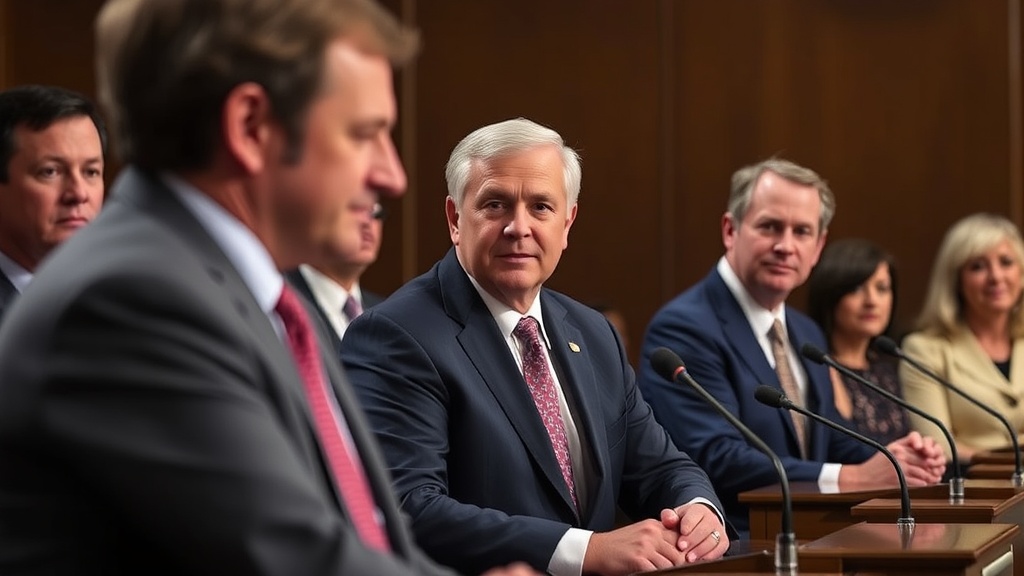
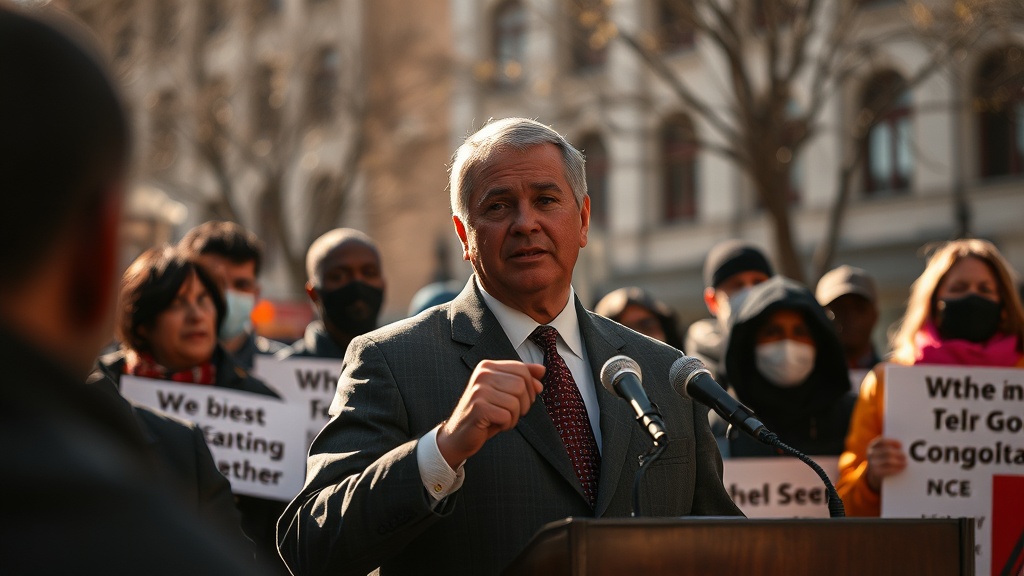
Salt Lake City Mayor Erin Mendenhall addresses community concerns over ICE enforcement amid a packed council meeting, emphasizing inclusivity.
SALT LAKE CITY – The Salt Lake City Council meeting on Tuesday witnessed an overwhelming turnout as residents gathered to voice their concerns regarding the actions of Immigration and Customs Enforcement (ICE) agents. This gathering was spurred by a recent incident involving ICE in Minneapolis, which left many community members feeling anxious about the potential for similar occurrences in Utah.
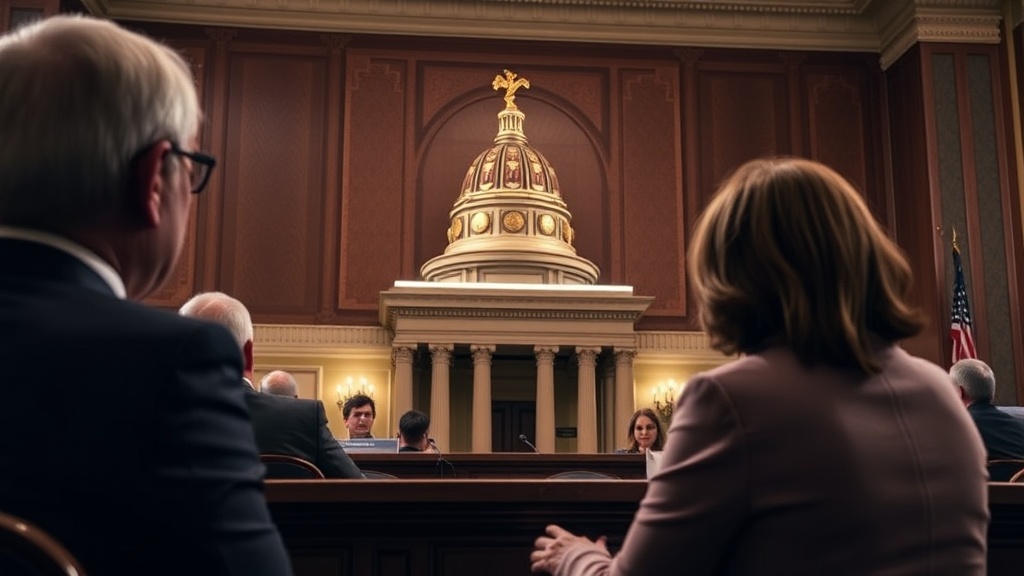
The atmosphere in the council chambers was charged with emotion, as dozens of residents filled the main chamber and an additional overflow room, while many others stood in the hallway and protested outside City Hall. The community's response reflects a growing unease regarding the enforcement tactics employed by ICE, particularly under the Trump administration, which many believe have fostered an environment of fear and insecurity.
Gabriela Ceoliveira, a local resident, articulated her concerns about ICE's presence in Utah. "I think that things like what happened to Renee Good in Minneapolis, if it can happen there, can happen anywhere in this country," she stated before the meeting. Her sentiments echoed those of many present, who fear that aggressive immigration enforcement could lead to violence and violation of rights.
Javier Segura, an immigrant from Peru, expressed his apprehension about the current climate surrounding immigration enforcement. "You have immigration forces basically taking away liberties from people that really have no way to protect themselves, and they’re even now attacking citizens based on the color of their skin, what language we speak, and it seems like there’s no plan to protect the citizenship, the citizenry," he said. This assertion highlights the perceived threat felt by immigrant communities, who fear being targeted regardless of their legal status.
Samantha Shrives, another resident in attendance, emphasized her responsibility to advocate for those who may not feel empowered to speak out. "I think it’s my responsibility to speak up for the people who can’t, and I think that’s the main reason why I’m here. I just want to do what’s good and fight for what I think is right," she explained. Her motivations reflect a broader desire within the community to ensure that immigrant voices are heard and protected.
Despite the heightened emotions surrounding the issue, the council meeting remained orderly, with speakers adhering to the schedule and maintaining civility throughout the discussions. However, the clear message from the community was that they do not want Salt Lake City to engage with ICE or enforce immigration laws in any capacity.
In response to the concerns raised, Salt Lake City Mayor Erin Mendenhall released a comprehensive statement addressing the community's anxieties regarding ICE's actions. She acknowledged the current climate of uncertainty, stating, "There’s no doubt it’s an uncertain time in our country. The stories we’ve read, the videos we’ve seen, and the experiences of members of our own community have shaken us. Tactics used by ICE under President Trump certainly don’t make me feel safer as an American."
Mayor Mendenhall reaffirmed Salt Lake City’s commitment to inclusivity and support for immigrants, emphasizing that the city has long welcomed those seeking safety and freedom from persecution. She pointed to various city programs designed to enhance community relations and assist eligible immigrants in navigating the citizenship process, such as the Future Citizens PATH Program launched in 2025. This initiative aims to provide support to green card holders in Salt Lake City, making the citizenship process more accessible.
Moreover, in 2024, Salt Lake City was certified as the first Welcoming City in Utah, a designation reflecting its efforts to foster inclusivity through partnerships and initiatives that bridge the gap between immigrant and non-immigrant residents. The Know Your Neighbor Program, for example, connects longtime residents with recent refugee families, fostering friendships and volunteer opportunities that strengthen community ties.
Mendenhall also clarified that the city’s police department does not enforce federal immigration laws, emphasizing that when officers respond to calls or make arrests, an individual’s immigration status does not influence their actions. "We do not participate in federal immigration operations. That is neither our interest nor our authority," she stated. However, she acknowledged that partnerships with federal agencies on specific public safety initiatives are necessary, especially in cases involving violent crimes.
In closing her statement, Mendenhall reaffirmed her commitment to ensuring the safety and rights of all residents, regardless of their immigration status. "Our fundamental responsibilities include keeping our residents and visitors safe and protecting their rights. Your safety and your rights: every decision we make is viewed through that lens," she concluded. As Salt Lake City navigates these complex issues, the voices of its residents continue to shape the dialogue around immigration policy and community safety, highlighting a collective desire for dignity, respect, and inclusivity in a time of uncertainty.