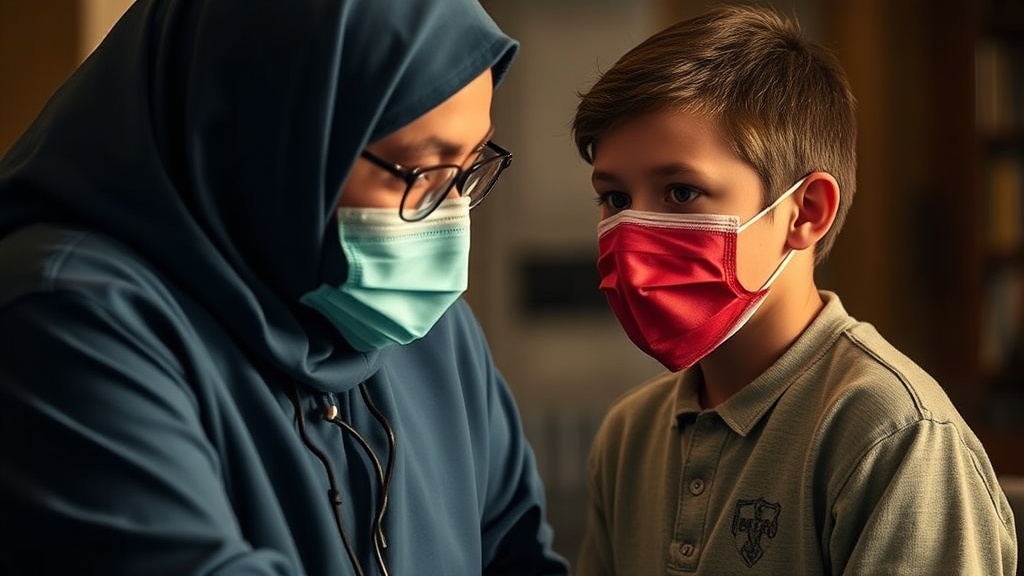
Rise in Vaccine-Preventable Diseases: Public Health Concerns in Utah
Utah faces a resurgence of vaccine-preventable diseases like measles, raising public health concerns as vaccination rates decline.
In recent years, public health officials across the United States have raised alarms about the resurgence of diseases that were once considered eradicated, particularly measles. With new vaccine policies and growing vaccine hesitancy among parents, experts warn that the consequences could be dire for community health, especially in schools. The Centers for Disease Control and Prevention (CDC), once hailed as a pillar of public health expertise, is now facing scrutiny over its leadership and policy direction, leading some to question the effectiveness of current vaccination strategies.
In Utah, as well as across the nation, the measles virus, which was declared eliminated in the United States in 2000, is making a comeback. The CDC reports that there have been numerous outbreaks in recent years, with the most significant occurring in 2019 when over 1,200 cases were reported nationwide—many of them linked to unvaccinated populations. Utah, which has historically had lower vaccination rates due to philosophical exemptions, is particularly vulnerable. With the state’s vaccination rate hovering around 90%, public health officials are concerned that the threshold for herd immunity is not being met, allowing these diseases to spread.
The CDC's recent changes in policies—including the relaxation of certain vaccine mandates—have led to increased anxiety among parents and educators. "It feels like we are standing on shaky ground," said Dr. Jennifer Haller, a pediatrician in Salt Lake City. "Parents who once trusted the science behind vaccines are now questioning their effectiveness, and this is a serious public health issue."
One of the most significant factors contributing to the decline in vaccination rates is the rise of misinformation regarding vaccines. Social media platforms have become breeding grounds for anti-vaccine sentiments, leading to a decline in public trust in vaccines. According to a recent survey conducted by the Public Health Agency of Utah, nearly 30% of parents expressed reservations about vaccinating their children, citing concerns about safety and the potential for side effects. This hesitancy poses a serious risk, especially for children who cannot be vaccinated due to medical reasons and rely on herd immunity for protection.
Public schools in Utah are now facing the challenge of educating children who may not be immunized against preventable diseases. This has sparked debates among parents, teachers, and school administrators about the responsibilities of schools in maintaining a safe environment for all students. Some districts have begun implementing stricter vaccine policies in an effort to protect the health of their students. For example, the Salt Lake City School District recently announced a new initiative requiring proof of vaccination for all incoming kindergarten students.
The implications of declining vaccination rates extend beyond immediate health concerns. As diseases like measles return, health care systems may become overwhelmed, leading to increased hospitalizations and healthcare costs. Measles, for instance, can lead to severe complications such as pneumonia, encephalitis, and even death. The CDC estimates that for every 1,000 children who contract measles, one to two will die from complications, underscoring the importance of maintaining high vaccination coverage.
Experts emphasize that restoring public trust in vaccines is critical to reversing this trend. Dr. Haller advocates for community engagement and education initiatives to address parents' concerns and provide accurate information about the safety and efficacy of vaccines. "We need to create an open dialogue where parents feel comfortable asking questions and receiving factual answers," she said. "This is not just about individual choice; it’s about community responsibility."
In response to the growing concerns, local health departments are ramping up efforts to promote vaccination. Campaigns aimed at educating parents about the benefits of immunization and dispelling myths surrounding vaccines are becoming increasingly common. Health officials are also working closely with community organizations to reach underserved populations and ensure that every child has access to vaccines.
As the school year approaches, the urgency to address vaccine hesitancy and improve vaccination rates is more critical than ever. The return of diseases once thought to be eradicated poses a significant threat to public health and safety. It is imperative for communities to come together to prioritize vaccination and protect future generations from preventable illnesses. The battle against vaccine-preventable diseases is far from over, and collective action will be necessary to ensure that the hard-won progress in public health is not undone.
In conclusion, the resurgence of diseases like measles in Utah reflects a broader national issue that requires immediate attention. The importance of vaccination cannot be overstated, and it is essential for parents, educators, and health officials to work collaboratively to restore confidence in vaccines and protect the health of children across the state. The stakes are high, and the time to act is now.