Minneapolis Bridge Collapse: A Tragic Reminder of Infrastructure Risks
The 2007 I-35W bridge collapse in Minneapolis highlighted urgent infrastructure issues, prompting national safety reforms.
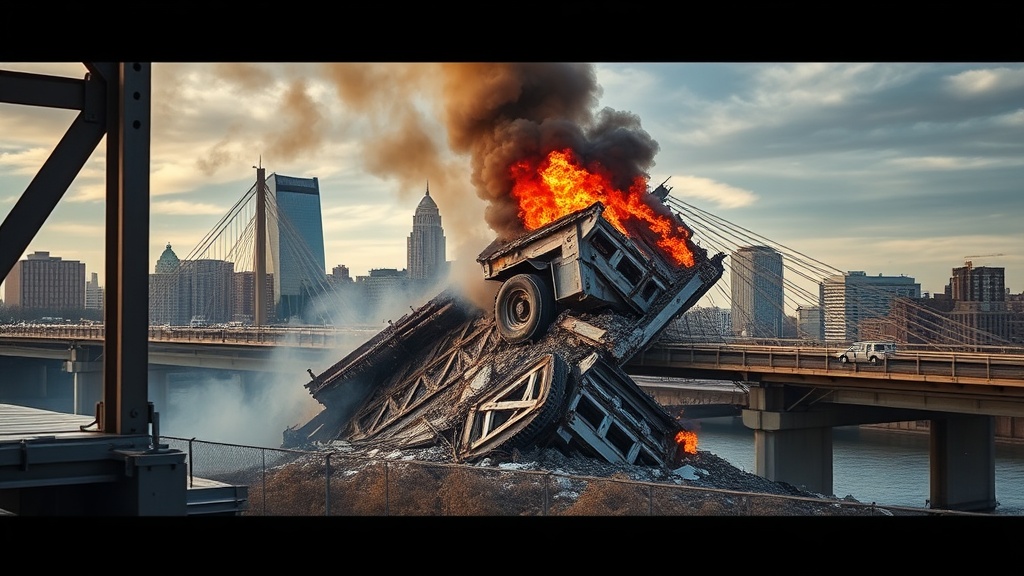
On the fateful evening of August 1, 2007, tragedy struck Minneapolis when the Interstate 35W bridge, a vital span over the Mississippi River, collapsed during the height of rush hour. The catastrophic event resulted in the loss of 13 lives and left dozens more injured, sparking a nationwide conversation about infrastructure safety and maintenance in the United States.
The I-35W bridge, which had been a critical artery for commuters and commercial traffic alike, had undergone numerous inspections and repairs throughout its lifespan. Built in 1967, the bridge was considered structurally deficient by some assessments leading up to the collapse. In the years prior, engineers noted signs of fatigue, including cracks and corrosion, raising alarms about its integrity. However, these warnings were often met with budgetary constraints and political challenges that hampered significant repairs.
As the sun began to set on that fateful day, a large number of vehicles were on the bridge when it suddenly gave way, plunging into the river below. Witnesses described a scene of chaos as cars fell into the water, and debris rained down. Emergency responders rushed to the scene, deploying boats and divers to rescue trapped individuals and recover the deceased. The immediate aftermath saw 145 injuries reported, with many victims suffering from severe trauma and life-altering injuries.
In the wake of the disaster, a thorough investigation was launched by the National Transportation Safety Board (NTSB). The NTSB's findings highlighted a combination of design flaws, inadequate maintenance, and a lack of timely intervention as contributing factors to the bridge's failure. The report revealed that the bridge was designed to carry a significantly lower load than it bore at the time of the collapse, and it had been classified as functionally obsolete due to its inability to accommodate modern traffic demands.
In response to the tragedy, there was a renewed focus on the state of America’s infrastructure. Lawmakers at both the state and federal levels began to prioritize funding for repairs and upgrades to aging bridges and roads. The collapse of the I-35W bridge became a pivotal moment in the discussion surrounding transportation infrastructure in the United States, highlighting the urgent need for investment and reform.
In the years following the collapse, the city of Minneapolis undertook significant efforts to improve its infrastructure. The I-35W bridge was rebuilt and reopened in 2008, featuring modern engineering standards and safety measures designed to prevent a similar tragedy from occurring in the future. The new bridge, a cable-stayed structure, stands as a testament to the resilience of the community and the importance of prioritizing infrastructure safety.
Moreover, the tragedy prompted broader initiatives aimed at assessing and upgrading infrastructure across the nation. The American Society of Civil Engineers (ASCE) has since emphasized the need for a comprehensive approach to infrastructure investment, advocating for increased funding and strategic planning to address the aging systems that are critical to public safety.
Despite these improvements, the legacy of the I-35W bridge collapse continues to resonate. The event served as a stark reminder of the potential consequences of neglecting infrastructure and the importance of proactive maintenance and investment. As cities across the country grapple with similar challenges, the lessons learned from Minneapolis remain ever relevant.
Today, ongoing discussions about infrastructure funding and safety are more critical than ever, as many bridges nationwide are still in various states of disrepair. The federal government, local municipalities, and advocacy groups continue to push for policies that ensure the safety and reliability of transportation systems. As the anniversary of the I-35W bridge collapse approaches each year, it serves as a poignant reminder that infrastructure is not merely an engineering issue but a matter of public safety and community well-being.
In conclusion, the collapse of the Interstate 35W bridge was not just a tragic incident but a wake-up call for the nation. It highlighted the urgent need for comprehensive assessments of existing infrastructure, adequate funding for repairs, and a commitment to ensuring the safety of all who rely on these essential transportation networks. As the nation moves forward, the lessons learned from that tragic day must guide future actions to prevent such disasters from occurring again.