New Vehicle Restrictions on Zion-Mt. Carmel Highway to Enhance Safety and Preserve Scenic Beauty
New restrictions on Zion-Mt. Carmel Highway aim to improve safety and preserve the park's beauty, effective June 7.
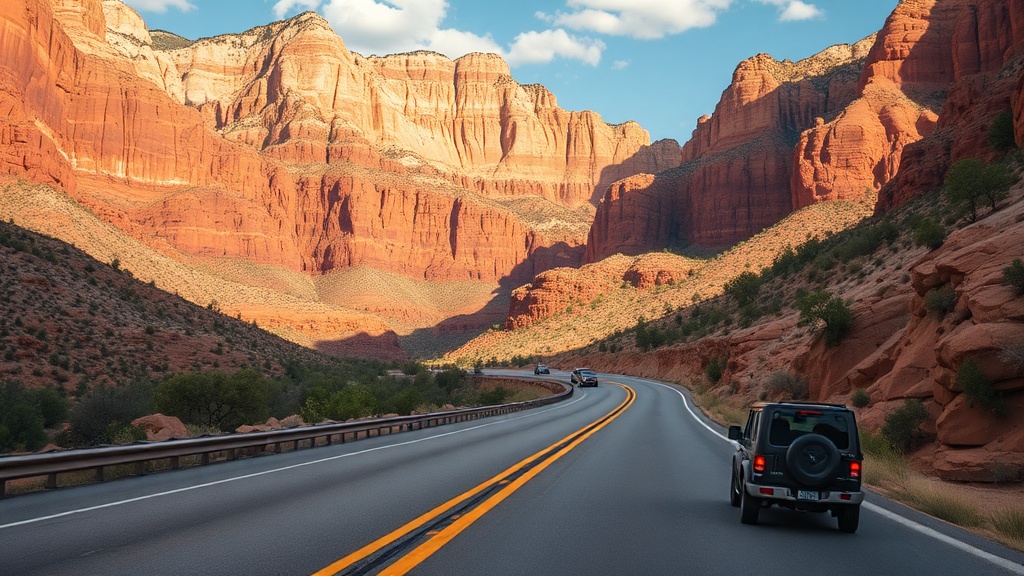
In a significant move aimed at enhancing safety and preserving the scenic beauty of one of America’s most cherished national parks, the National Park Service (NPS) has announced new vehicle restrictions on the Zion-Mt. Carmel Highway, effective June 7. This popular route, which provides breathtaking views and access to key areas of Zion National Park, will see limitations imposed on larger vehicles, a decision rooted in extensive safety studies and ongoing concerns regarding traffic congestion.
The Zion-Mt. Carmel Highway, which first opened in 1930 and is now listed on the National Register of Historic Places, was originally constructed with smaller, lighter vehicles in mind. As Zion National Park Superintendent Jeff Bradybaugh noted, many of today’s larger touring vehicles and recreational vehicles (RVs) were simply unimaginable at the time of the highway's construction. "This decision comes after years of careful study and collaboration with our neighbors, transportation agencies, and the tourism industry," he stated, emphasizing the need to adapt to modern realities while safeguarding the park's natural and historical significance.
Under the new restrictions, several categories of vehicles will be prohibited from traveling on the Zion-Mt. Carmel Highway between Canyon Junction and the park's east entrance. Specifically, vehicles that exceed 35 feet, 9 inches in length, 7 feet, 10 inches in width, and 11 feet, 4 inches in height will no longer be permitted. Additionally, any vehicle weighing more than 50,000 pounds, as well as combined vehicles that exceed 26 feet from hitch to rear axle and 50 feet overall, will be banned from this scenic stretch.
These limitations are expected to significantly enhance safety for all travelers on the highway. Previous safety studies have highlighted various risks associated with the increasing size and weight of modern vehicles traversing the narrow, winding roads of Zion National Park. The park’s infrastructure, which has aged over the decades, must evolve to meet contemporary demands while protecting both visitors and the stunning environment.
Officials anticipate that these vehicle restrictions will not only improve safety but also reduce traffic congestion on the Zion-Mt. Carmel Highway. Although large vehicles will still have access to the park via its south entrance, they will face restrictions based on parking availability and specific conditions, such as possessing a Zion Lodge pass, driving during the off-season along the Zion Canyon Scenic Drive, or camping in designated campgrounds like Watchman or South.
Visitors opting for alternate routes may find their travel times increased by approximately 10 to 45 minutes, depending on their starting points and final destinations. This adjustment is a necessary trade-off for the broader community, aiming to enhance the overall experience for all park-goers while safeguarding the natural landscape that draws millions to Zion each year.
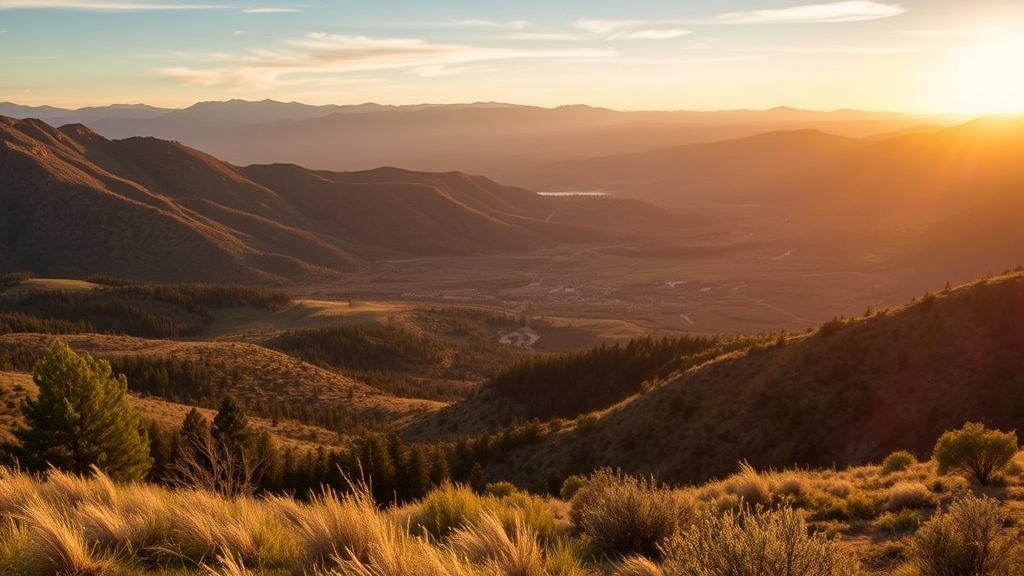
Zion National Park is renowned for its stunning canyons, towering cliffs, and diverse ecosystems. Each year, it attracts around four million visitors, making it crucial to manage the flow of traffic and ensure the preservation of its unique environment. As the park continues to adapt to the needs of modern tourism, these vehicle restrictions reflect a commitment to responsible management practices that prioritize both visitor safety and environmental conservation.
In conclusion, the introduction of vehicle restrictions on the Zion-Mt. Carmel Highway marks a proactive step taken by the National Park Service to address safety concerns and preserve the park's enchanting scenery for future generations. As larger vehicles continue to proliferate on America’s roads, national parks like Zion must find a balance between accessibility and sustainability. The hope is that these new regulations will enhance the experience of all who venture into the park, allowing them to enjoy the majestic landscapes without compromising safety or the park’s historical integrity.