Navigating the Utah State Legislature: A Guide for Citizens to Engage
As Utah's legislative session begins, citizens are urged to engage with lawmakers on important bills affecting their lives.
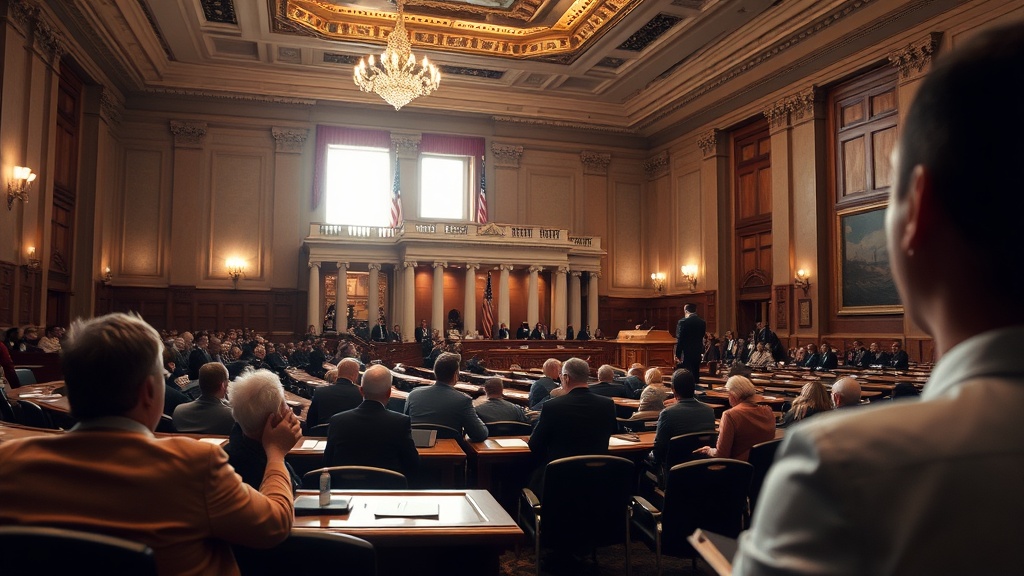
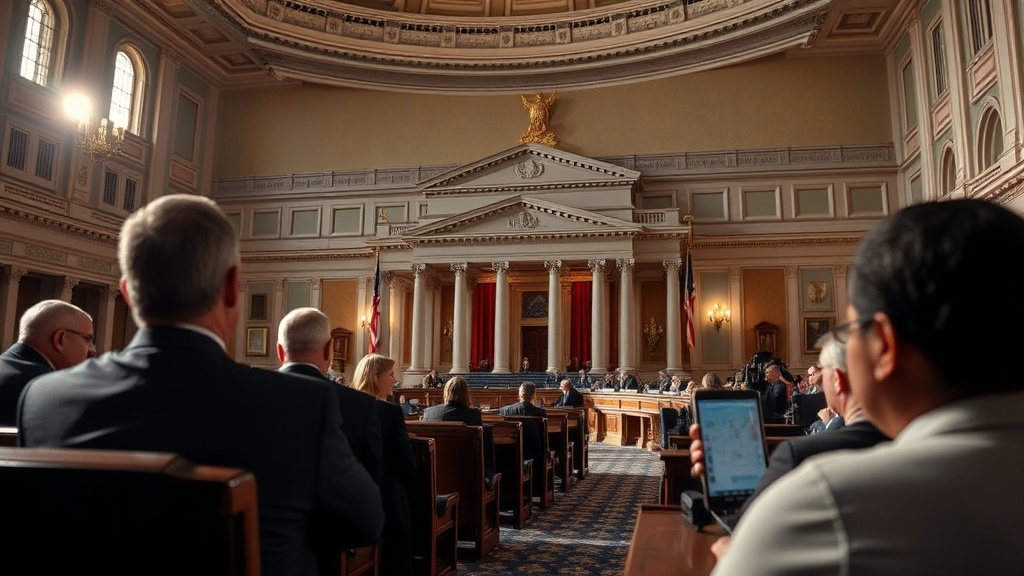
As the Utah State Legislature prepares to convene for its 45-day session starting Tuesday, residents across the state are encouraged to participate actively in the legislative process. This session promises to address a plethora of bills that will directly affect the lives of Utahns, from education to healthcare and beyond. With many individuals having strong opinions on various legislative matters, the call to action is clear: engage with your lawmakers to make your voice heard.
Rep. Sahara Hayes, a Democrat representing Millcreek, humorously noted the importance of involvement, stating, "Opting out isn't an option if you want to be able to gripe about what's going on up here." This sentiment captures the essence of civic responsibility and the necessity for constituents to engage with their representatives.
To facilitate this engagement, lawmakers and advocacy leaders have shared valuable insights on how constituents can navigate the legislative landscape. Tricia Bunderson, director of the Utah Civics Project, emphasized the importance of visiting the legislative website at le.utah.gov. This resource allows Utah residents to input their addresses and discover their elected officials, providing access to contact information such as email addresses and even text message numbers.
For those with specific concerns about bills, it is crucial to understand the inner workings of the legislative system. Corinne Johnson, president of Utah Parents United, advised that after identifying your lawmaker, reaching out to the bill's sponsor is a productive way to engage. Each piece of legislation has a designated House or Senate sponsor, identifiable by their unique bill number (e.g., HB 273 for House bills or SB 123 for Senate bills). Direct communication with the bill sponsor or their intern can lead to fruitful discussions regarding the legislation.
Social media can also play a role in communication, but it may not be the most effective method. Rep. Hayes cautioned that while social media posts tagging lawmakers show public interest, they are not considered official communication channels. Instead, she recommended concise emails that tell a personal story, as these resonate more with legislators. "We get a lot of form emails where people copy-paste the same thing, and when I get hundreds of those in my inbox, they don't really have the same impact as if one person says to me, 'Hey, this really matters. Here is why,'" she explained.
When crafting messages, specificity is key. Johnson noted that mass emails often get flagged as spam and lack the personal touch that lawmakers appreciate. She urged constituents to send tailored messages to individual legislators or committee members who will hear specific bills. Even those who are not constituents can make their voices heard by clearly stating their interest in a bill and its implications.
In addition to written communication, attending town halls and committee meetings is an effective way to engage with lawmakers. Rep. Hayes highlighted that personal relationships can be built through these interactions, as they create opportunities for constituents to express their concerns directly. "Going to town halls is one of the best things that you can possibly do to build those relationships and to be more effective with your lawmakers," she said.
The physical presence at the Capitol is equally important. Johnson emphasized that showing up at committee meetings or legislative hearings demonstrates commitment to an issue. "When you show up on the Hill, that is when it's going to make the most impact," she stated. While it may require time and effort, attending sessions can significantly influence a bill's progress.
Understanding the legislative process is crucial for those looking to advocate for a bill. Bunderson explained that every bill must traverse through both the House and Senate, and thus, engaging with individual legislators and committee members is vital. "Keep making noise," she urged constituents, as persistent advocacy can help push bills forward.
When outcomes are not favorable, both Bunderson and Hayes encourage constituents to remain engaged. Hayes remarked, "All change moves slowly, right? So even if something doesn't go your way, keep trying to build those inroads." Bunderson echoed this sentiment, emphasizing that change often requires perseverance and dedication.
As the Utah State Legislature embarks on its new session, the participation of engaged citizens is essential for a vibrant democracy. By reaching out to lawmakers, attending meetings, and sharing personal experiences related to legislative issues, Utahns can ensure their voices are heard and their concerns addressed. The upcoming session presents an opportunity for constituents to influence the future of their state, making it imperative for them to take part in the democratic process actively.