Minnesota Governor Tim Walz Ends Reelection Bid Amid Fraud Scandal Concerns
Minnesota Governor Tim Walz announces he will not seek reelection amid growing scrutiny over a fraud scandal impacting unemployment benefits.
In a surprising announcement that has sent ripples through Minnesota's political landscape, Governor Tim Walz (D) declared on Monday that he will not seek reelection for a third term. This decision comes in the wake of increasing scrutiny surrounding his administration's handling of a significant fraud scandal involving the Minnesota Department of Employment and Economic Development (DEED). The scandal has raised serious questions about the state’s management of unemployment benefits during the COVID-19 pandemic, as well as the accountability of state officials.
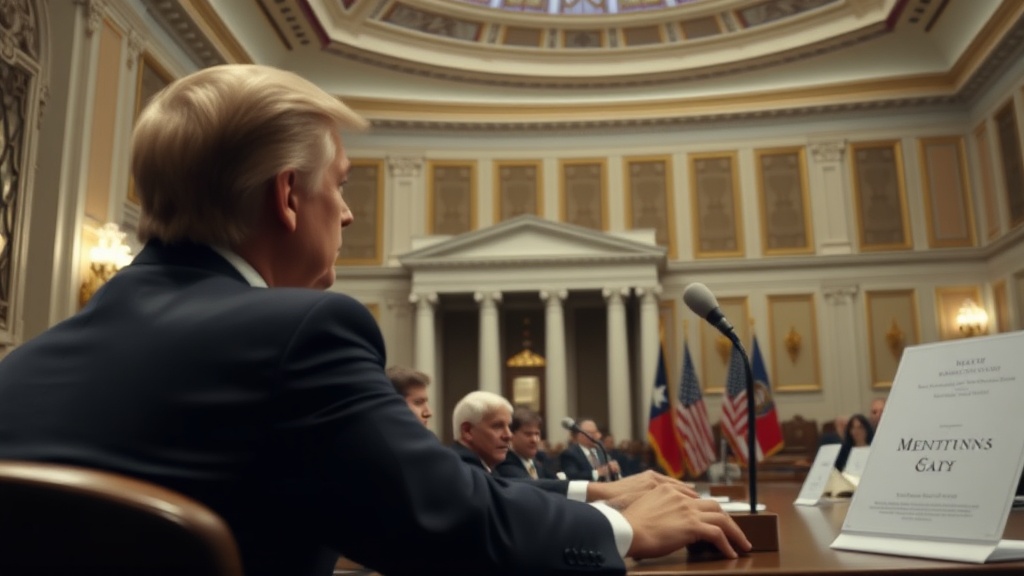
Walz, who has served as Minnesota's governor since 2019, made the announcement during a press conference held at the Minnesota State Capitol in St. Paul. "Every minute I spend defending my own political interests would be a minute I can’t spend defending the people of Minnesota against the challenges we face," he said, visibly emotional. His decision marks a significant shift in the political dynamics of the state, where he had been considered a frontrunner for the Democratic nomination in the upcoming election.
The fraud scandal first came to light in early 2021, when reports revealed that tens of millions of dollars in unemployment benefits were improperly distributed, with a substantial portion of those funds potentially going to fraudulent claims. The Minnesota Department of Employment and Economic Development, under Walz's leadership, faced intense criticism for its failure to implement adequate safeguards during a time of unprecedented demand for unemployment assistance. As investigations unfolded, it became clear that the state had not only mismanaged its resources but had also failed to protect vulnerable populations from fraud.
The fallout from the scandal has been severe. Reports indicated that over $100 million in unemployment benefits were paid out to individuals who did not qualify, drawing the ire of both Republican and Democratic lawmakers. State Auditor Julie Blaha stated in a recent report that the administration's response to the crisis was lacking, leading many to call for accountability from Walz and his team. "This is not just about money; it's about trust in our government," Blaha emphasized.
As the investigations progressed, Walz faced increasing pressure not only from constituents but also from within his own party. Several prominent Democratic leaders began to distance themselves from the governor, fearing that his association with the scandal could jeopardize their own political futures. Some party insiders expressed concern that if Walz continued with his reelection campaign, it could be detrimental to the overall Democratic agenda in Minnesota.
Political analysts believe Walz’s withdrawal from the race opens the door for other candidates within the Democratic Party to step forward. Potential successors include Minnesota Attorney General Keith Ellison and Lieutenant Governor Peggy Flanagan, both of whom have been mentioned as strong contenders. Ellison has gained national attention for his role in various high-profile legal cases, while Flanagan has been a vocal advocate for social justice and equity issues in the state.
Republican Party leaders have seized upon Walz’s announcement, suggesting that it demonstrates a clear lack of confidence in his leadership. GOP chairwoman Jennifer Carnahan stated, "This is a clear acknowledgment of the failures of his administration. Minnesotans deserve a leader who will prioritize their needs and restore accountability to state government."
Despite the challenges, Walz remains focused on his remaining time in office, emphasizing his commitment to addressing the ongoing fallout from the fraud scandal. "My priority will always be to serve the people of Minnesota, and I intend to finish my term strong," he affirmed, vowing to implement reforms aimed at preventing similar issues in the future.
The implications of Walz’s decision extend beyond the immediate political landscape. His resignation from the race may prompt a shift in voter sentiment, potentially influencing the outcome of the gubernatorial election. It raises questions about how the Democratic Party will navigate the upcoming election cycle amid growing concerns about government accountability and transparency.
As the state grapples with the ramifications of the fraud scandal, it remains to be seen how the political climate will evolve in Minnesota. With Walz stepping aside, the stage is now set for a heated primary battle that could redefine the state's leadership landscape for years to come. The upcoming months will be critical as candidates emerge and strategies are developed to address the pressing issues facing Minnesota residents, particularly in the realm of economic recovery and government integrity.