Menopause Care Gaps Highlighted by New Survey of Women in the Mountain West
A new survey reveals significant gaps in menopause care, leaving many women feeling dismissed and unsupported by healthcare providers.

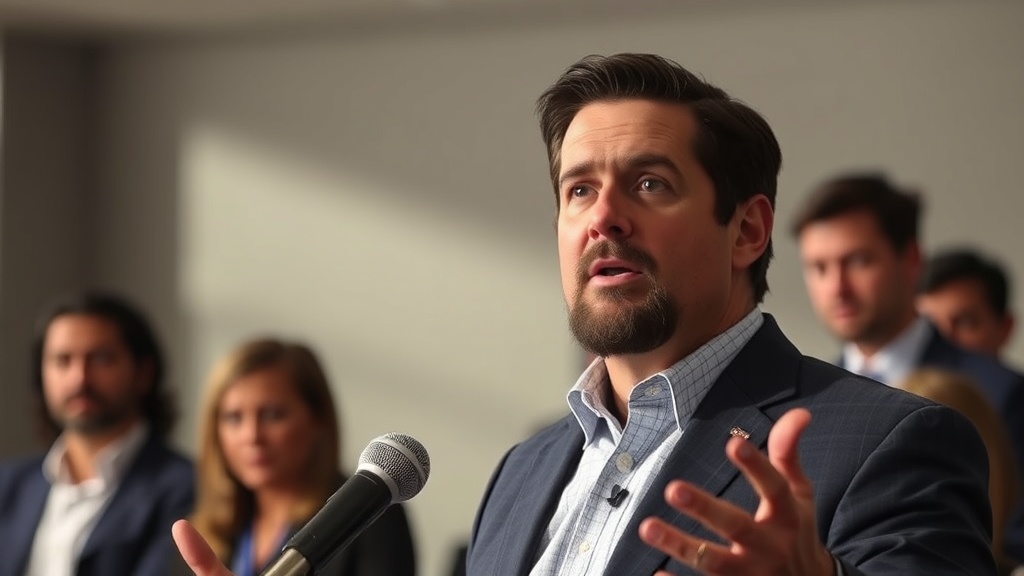
A recent survey conducted by Inflexxion Health, a telehealth company based in Utah, has unveiled significant gaps in the care and understanding of menopause, revealing that many women feel dismissed by the healthcare system. The study surveyed 1,000 women aged 40 to 60 across Utah, Arizona, and Colorado, aiming to capture their experiences during perimenopause and menopause. According to founder and CEO Victoria Hodgkins, the survey results underscore a pressing need for improved education, care, and trust within the medical community regarding menopause.
Despite the universal nature of menopause, Hodgkins noted that there is a startling lack of comprehensive research and data on the topic, particularly on a regional basis. "Certainly not on a regional basis," she stated during an interview on FOX 13 News’ Good Day Utah Weekend. The survey revealed that nearly 90% of women experience symptoms related to menopause, with the average woman reporting five distinct symptoms. Over 80% of respondents indicated that these symptoms significantly impacted their sense of self, highlighting the personal toll that menopause can take.
The survey findings also illustrated that many women are hesitant to seek medical care for their menopause symptoms. One of the primary barriers identified was the cost of care, but there were additional concerns as well. Hodgkins remarked, "The number two and three barriers are that maybe my symptoms aren’t severe enough, or I’m worried about being dismissed." This fear of dismissal appears to be well-founded; the survey reported that one in four women who sought assistance were turned away by healthcare providers. Many were advised to return when their symptoms worsened or after their periods had ceased entirely, which contradicts the recommendations of the Menopause Society.
In addition to the dismissive attitudes reported, the survey highlighted a troubling trend regarding how women are receiving information about menopause. Most participants indicated they were learning about menopause through social media, online sources, or through conversations with friends and family, rather than from healthcare professionals. While Hodgkins acknowledged that social media has helped reduce some of the stigma surrounding menopause, she cautioned that it has also contributed to confusion. "There is a lot of information online; some of it’s good, and not surprisingly, some of it’s not," she said.
Another key finding of the survey was that women are more likely to be prescribed antidepressants or sleep medications than hormone replacement therapy (HRT), even when menopause symptoms are the root cause of their issues. "Doctors are more comfortable and used to prescribing those," Hodgkins explained. However, she emphasized that these medications do not address all the symptoms associated with menopause and lack the long-term benefits that HRT can provide.
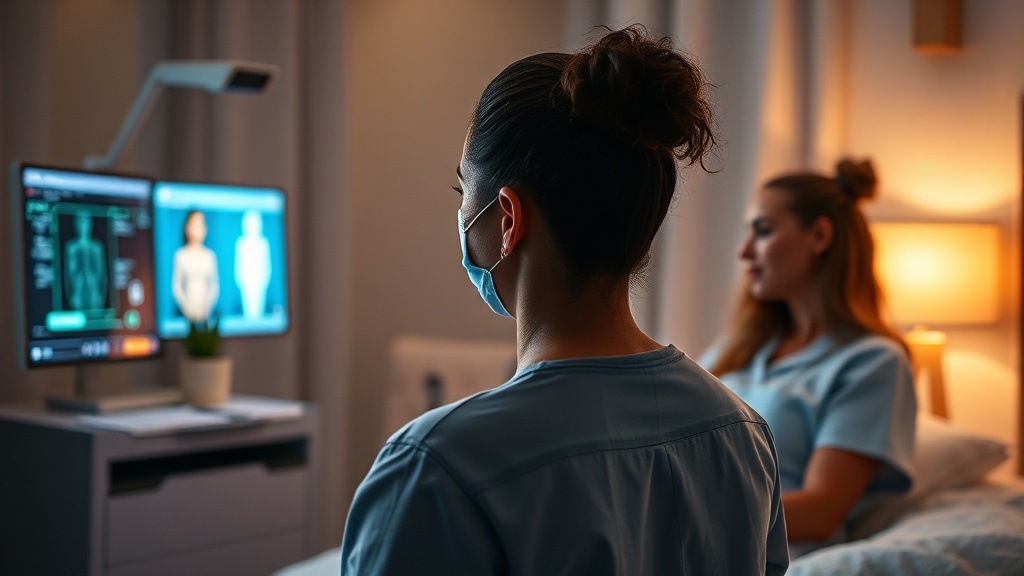
In light of these findings, Inflexxion Health is taking proactive steps to address the reported gaps in care. The company offers video-based telehealth visits with clinicians trained specifically in menopause care, thereby providing women access to specialized support that may not be available locally. This approach aims to empower women by ensuring they receive informed care tailored to their unique experiences.
Hodgkins encourages women to advocate for their health proactively. "You need to be your own healthcare hero," she urged. "Go ask those questions. What other options are there?" This call to action speaks to the importance of self-advocacy in navigating the healthcare system, particularly when it comes to a condition that is often marginalized.
The implications of the survey are significant, as they highlight the necessity for healthcare providers to better understand and address the needs of women undergoing menopause. The lack of adequate support can lead to a diminished quality of life for countless women, making it imperative that the medical community takes steps to improve education, communication, and care regarding menopause.
For further information about Inflexxion Health and the survey, additional resources can be found at their official website. As awareness grows and discussions around menopause continue to evolve, the hope is that women will feel more equipped to seek the care they need and deserve during this pivotal stage of life.