Key Public Lands Developments in 2025: A Year of Change and Impact
2025 saw pivotal changes in public lands management, from landmark legislation to court rulings, shaping conservation efforts across the U.S.

In 2025, numerous developments in public lands management emerged, capturing national attention and sparking discussions about conservation, access, and resource management. This year was marked by critical legislative actions, high-profile court cases, and significant shifts in federal policy that redefined the landscape of public lands across the United States.
One of the most significant events occurred with the passage of the Public Lands Protection Act, which aimed to safeguard millions of acres of federal land from commercial exploitation. Advocates hailed this legislation as a landmark victory for environmental conservation, arguing that it would help preserve vital ecosystems and protect biodiversity. Supporters, including various environmental organizations and local communities, rallied behind the Act, emphasizing the importance of maintaining open spaces for future generations.
Conversely, the bill faced fierce opposition from industry groups and some state officials who argued that the restrictions would hinder economic development and job creation. "While we appreciate the intent behind the Public Lands Protection Act, we cannot ignore the potential economic ramifications for communities that rely on resource extraction," stated Mark Anderson, a spokesperson for the Western Resource Development Coalition. The contentious debate highlighted the ongoing struggle to balance environmental stewardship with economic interests in the region.
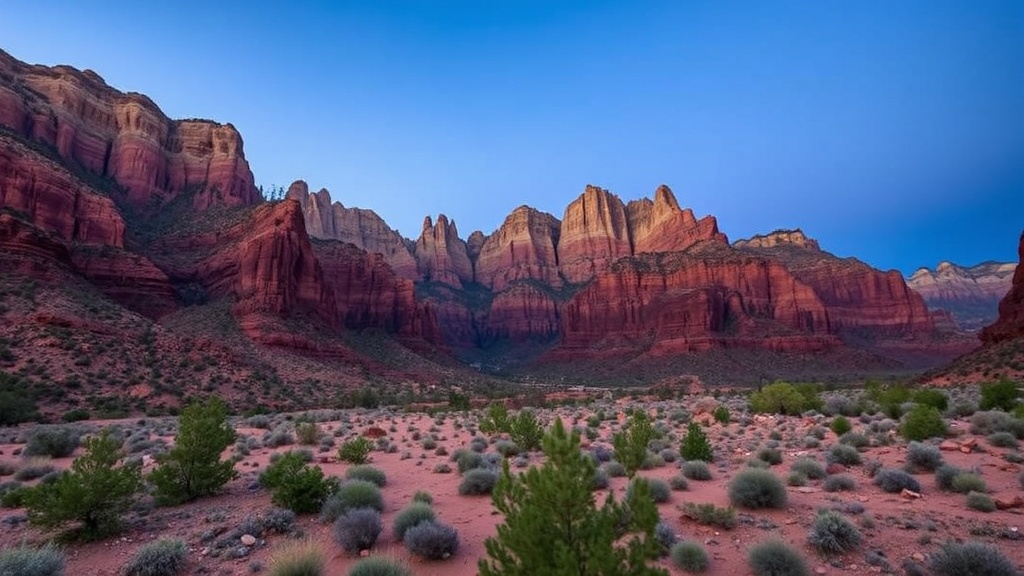
In another notable development, the U.S. Supreme Court ruled in favor of maintaining the boundaries of the Bears Ears National Monument in Utah. This decision came as a relief to conservationists who had long fought against attempts to reduce the monument's size under the previous administration. Bears Ears, which is home to significant archaeological and cultural sites, has been a focal point for Indigenous rights and environmental advocacy.
"This ruling is a reaffirmation of our commitment to protecting sacred lands and honoring the heritage of Indigenous peoples," said Sarah Black, a member of the Navajo Nation and a prominent advocate for the monument. The Supreme Court's decision not only preserved the land but also underscored the importance of Indigenous voices in land management discussions.
In a separate case, the controversy surrounding the proposed oil drilling in the Arctic National Wildlife Refuge (ANWR) reignited debates over energy exploration in sensitive ecosystems. The Biden administration announced a temporary halt to drilling activities, citing environmental concerns and the need for further study. Environmentalists praised the decision as a step toward protecting one of the last pristine wilderness areas in the United States, while critics argued that energy independence should take precedence. "We cannot ignore the fact that this country needs energy to thrive," stated Tom Reynolds, an oil industry representative, emphasizing the need for a balanced approach to energy production.
Additionally, the introduction of the Outdoor Recreation Act gained momentum in Congress, aiming to enhance access to public lands for recreational purposes. The Act proposed funding for infrastructure improvements, including trails, campgrounds, and recreational facilities, to promote outdoor activities and support local economies. Outdoor recreation has gained increasing popularity, especially in the wake of the COVID-19 pandemic, as more people sought solace in nature.
"Investing in our public lands is an investment in our health and well-being," said Senator Maria Lopez, a co-sponsor of the bill. The proposed legislation received bipartisan support, indicating a growing recognition of the economic and social benefits of outdoor recreation. However, some critics cautioned against potential over-commercialization of public lands, urging for careful consideration of conservation priorities.
As the year drew to a close, the ongoing discussion surrounding climate change continued to influence public lands policies. The Biden administration unveiled a comprehensive plan aimed at addressing climate resilience on public lands, emphasizing the integration of sustainable practices in land management. This plan aims to protect ecosystems while also preparing for the impacts of climate change, such as wildfires, droughts, and flooding.
The implications of these developments are profound, as they not only shape the future of public lands but also reflect broader societal values regarding conservation, access, and sustainability. With ongoing debates and evolving policies, the landscape of public lands in the United States remains a dynamic and contentious issue, one that will undoubtedly continue to be at the forefront of national discourse in the years to come.
In conclusion, 2025 proved to be a pivotal year for public lands, marked by significant legislative victories, court rulings, and policy shifts. As the nation grapples with the challenges of conservation and resource management, the stories from this year will continue to resonate and influence future actions concerning the stewardship of America’s cherished landscapes.