ICE's Recent Actions Spark Community Resistance and Fear in Minneapolis
Minneapolis faces fear and resistance as ICE conducts its largest immigration operation ever, prompting community solidarity and activism.
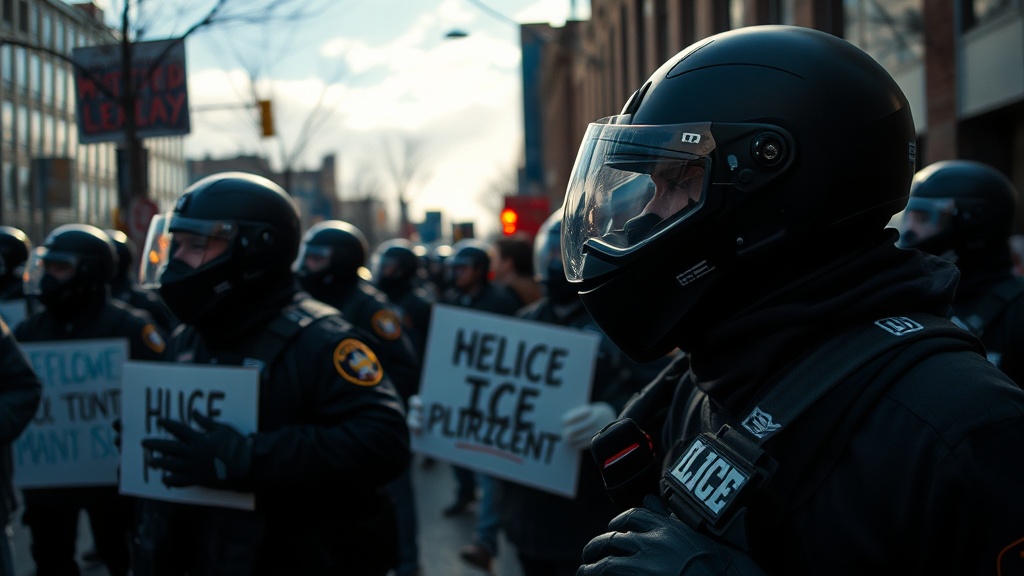
Minneapolis, MN – In a bold move that has drawn both national attention and local concern, Immigration and Customs Enforcement (ICE) has launched what its acting director has labeled the "largest immigration operation ever." This unprecedented crackdown, occurring during the second term of former President Donald Trump’s administration, has prompted a potent response from local communities determined to resist the federal government's aggressive immigration policies.
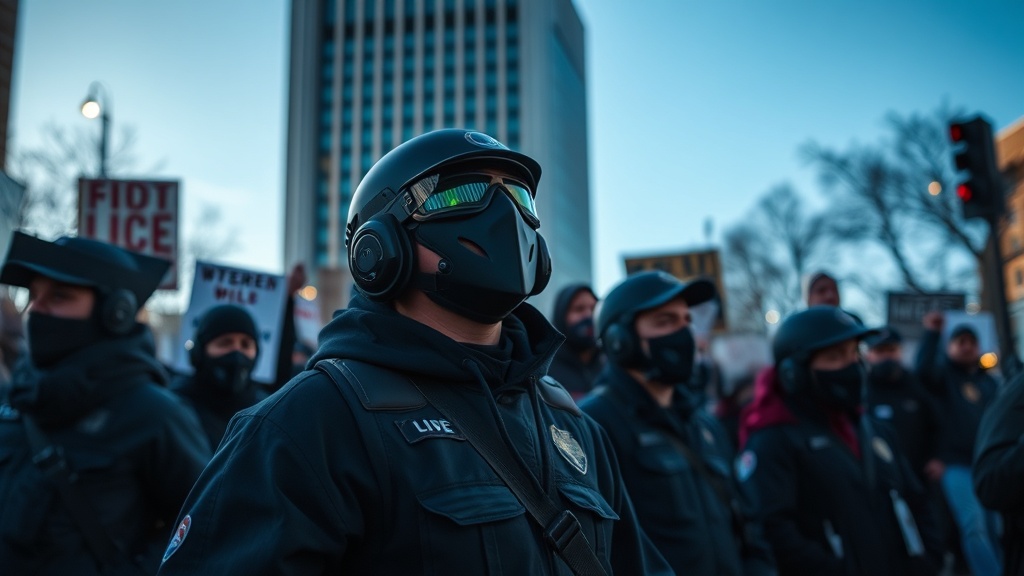
The operation, which began earlier this week, involved the deployment of armed and masked ICE agents throughout various neighborhoods in Minneapolis. Reports indicate that agents have been conducting widespread arrests, targeting undocumented immigrants who have been living in the shadows. According to ICE officials, the goal of this operation is to enforce immigration laws and remove individuals with outstanding deportation orders. However, the impact of these actions is reverberating throughout the community, creating an atmosphere of fear and uncertainty among residents.
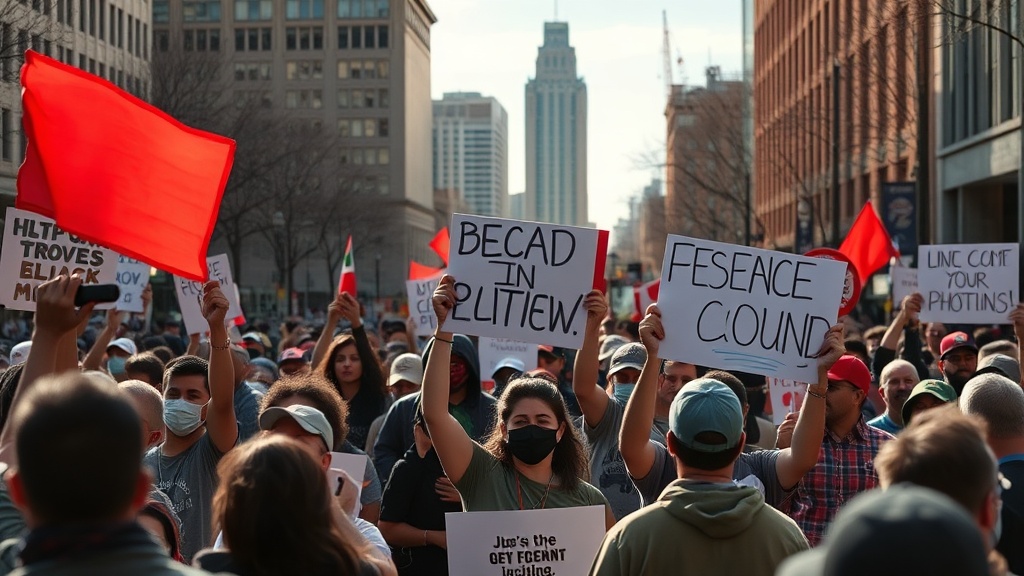
"We want to make sure that our neighbors are safe and know what is happening in their communities," said Maria Garcia, a local activist. In response to the ICE operation, community members have organized neighborhood watches aimed at alerting residents about impending ICE activities. These grassroots efforts have been crucial in helping individuals avoid arrest and have fostered solidarity among residents. Many who participate in these watches see it as their civic duty to protect vulnerable members of their community.
The fear generated by ICE’s tactics is palpable. Families are worried about the safety of their loved ones, and many undocumented individuals are choosing to stay indoors, further isolating them from vital services and community support. "This is not just about immigration; this is about our human rights and dignity," said Juan Martinez, a local resident. He expressed concern that the aggressive approach taken by ICE undermines the sense of security that many in the community have worked hard to build.
Critics of the operation argue that it disproportionately targets low-income individuals and families, exacerbating existing social inequalities. The fear of detention and deportation looms large, particularly for those who may have lived in the United States for years and established roots in their communities. Organizations that advocate for immigrant rights have condemned the operation, citing it as a violation of human rights and a tactic meant to instill fear rather than to promote public safety.
The local response to ICE's actions has also been bolstered by legal advocates who are providing resources and guidance to those affected. Free legal clinics have emerged in response to the uptick in arrests, offering advice on how to navigate the complex immigration system. "We want to ensure that everyone knows their rights and has access to legal support," stated Emily Chen, an immigration attorney involved in these efforts. The clinics aim to empower individuals and families, equipping them with the knowledge to protect themselves against potential injustices.
The implications of ICE's aggressive tactics extend beyond immediate arrests. The operation has sparked discussions about immigration reform and the need for a more humane approach to immigration policy. Local leaders and activists are advocating for comprehensive immigration reform that addresses the root causes of migration and provides pathways to citizenship for undocumented individuals. They argue that such measures are essential for fostering a more equitable society where all individuals can thrive, regardless of their immigration status.
As the operation unfolds, community members continue to mobilize, drawing strength from their shared experiences and collective determination. The local resistance against ICE serves as a testament to the power of grassroots activism and community solidarity in the face of federal overreach. While the immediate future remains uncertain, the resolve of Minneapolis residents to protect one another remains steadfast.
In conclusion, as ICE continues its operations in Minneapolis, the local community's response highlights the ongoing struggle over immigration policy in the United States. The fear instilled by these actions is met with resilience and solidarity among residents, who are determined to advocate for their rights and the rights of their neighbors. The events of this week may have far-reaching consequences for both the community and the broader discourse on immigration in America, underscoring the urgent need for reform and a rethinking of how the nation approaches immigration enforcement.