Homeowner Faces HOA Fine, Forced to Relinquish Pet Chickens in Hill Farms
A Hill Farms homeowner is forced to give up her chickens after an HOA vote fails, igniting community debate on local pet ownership regulations.
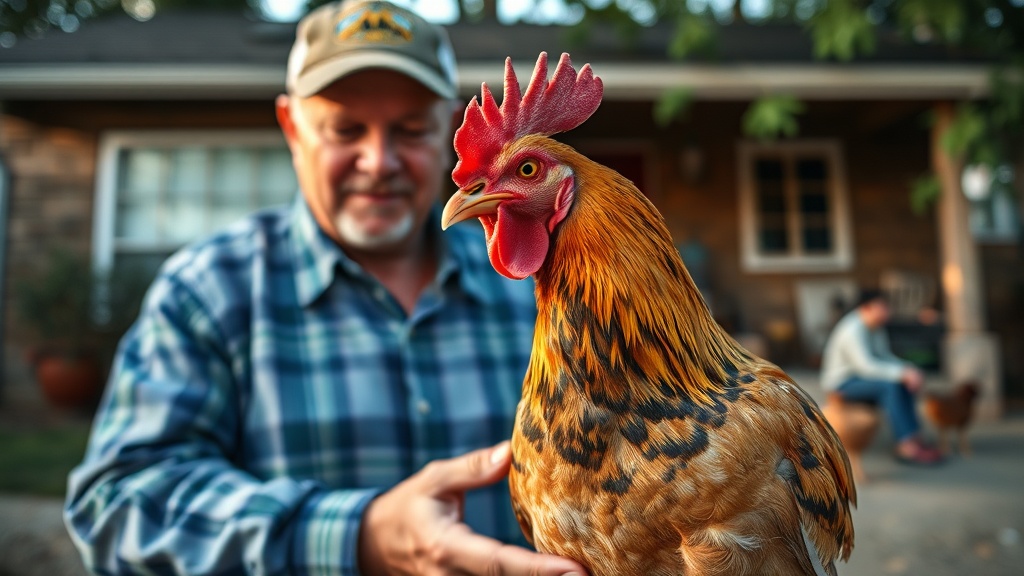
In a surprising turn of events in the Hill Farms community, a local resident has been compelled to part with her beloved pet chickens following a recent homeowners association (HOA) vote that fell short of the required majority. The decision has sparked a heated debate among community members regarding the policies and regulations governing pet ownership within the neighborhood.
The resident, who wishes to remain anonymous for fear of further repercussions, had been raising chickens in her backyard for the past two years. Initially drawn to the idea of keeping chickens for their fresh eggs and companionship, she described her experience as rewarding and fulfilling. "These chickens are like family to me," she stated, reflecting on the bond she formed with her feathered pets. However, the joy of chicken-keeping was overshadowed by her HOA's regulations that prohibit poultry without explicit permission.
On Tuesday, the HOA held a meeting to discuss the ongoing issue of backyard poultry in Hill Farms, a topic that has divided the neighborhood. While some residents support the idea of raising chickens for sustainable living and fresh produce, others argue that it could pose health risks and diminish property values. The meeting was attended by a mix of supporters and opponents, each presenting their case passionately.
The HOA board proposed a vote to amend the community guidelines to allow limited chicken ownership, which would require residents to apply for permits and adhere to specific regulations regarding coop size and distance from property lines. However, the proposal failed to garner enough support, receiving only a narrow margin of votes in favor, thus leaving the existing ban on chickens in place.
The decision has left the anonymous resident feeling disheartened and frustrated. "It seems incredibly biased to me. I understand that not everyone wants to live near chickens, but I thought we could find a middle ground," she explained. The resident highlighted the efforts she made to comply with HOA standards, including maintaining a clean and well-kept coop and ensuring that her chickens were not a nuisance to neighbors.
In response to the growing concerns, the HOA president, Mark Thompson, emphasized the association's commitment to maintaining property values and community standards. "Our primary goal is to ensure that Hill Farms remains a desirable place to live for all residents. We want to balance individual desires with the collective interest of the community," Thompson stated during the meeting. He also acknowledged the challenges of enforcing regulations on pet ownership, suggesting that the HOA might consider revisiting the issue in the future.
The debate over chicken ownership is not unique to Hill Farms; it reflects a broader trend seen in many suburban communities across the United States. As more residents seek to adopt sustainable lifestyles, the demand for urban farming practices, including backyard chickens, has increased. This has led to a growing number of homeowners associations grappling with how to adapt their rules to accommodate changing societal norms while still upholding their foundational guidelines.
Advocates for backyard chickens argue that they provide numerous benefits, from fresh eggs to natural pest control, and contribute to a self-sufficient lifestyle. Organizations such as the American Chicken Association have been working to promote the benefits of urban chicken farming and encourage local policies that support it. They argue that with proper education and regulation, communities can safely embrace this trend without compromising their values.
As the resident prepares to say goodbye to her chickens, she reflects on the emotional toll the situation has taken on her. "It's heartbreaking to think that I have to give them up just because a few people don’t agree with my choice. I never thought I would be in this position," she lamented. With her chickens scheduled to be rehomed soon, she hopes that the HOA will reconsider its stance and open up discussions about potential compromises that can benefit all residents.
Meanwhile, the Hill Farms community remains divided on the issue. Some residents have expressed their support for the homeowner through social media, while others have voiced their approval of the HOA's decision, citing concerns over noise and property aesthetics. As the conversation continues, it is clear that the fate of backyard chickens in Hill Farms will remain a contentious topic, potentially influencing future HOA decisions and community dynamics.
The situation serves as a reminder of the delicate balance between individual rights and community standards, raising questions about how neighborhoods can evolve to accommodate changing lifestyles while maintaining a sense of cohesion and mutual respect among residents. As urban farming practices gain popularity, other communities may soon find themselves facing similar challenges, making the discussions in Hill Farms particularly relevant in today’s shifting societal landscape.