Venezuelan Community in Utah Reacts to Maduro's Capture with Mixed Emotions
Venezuelans in Utah express mixed emotions of hope and concern after the U.S. military captures Maduro, signaling a potential end to dictatorship.
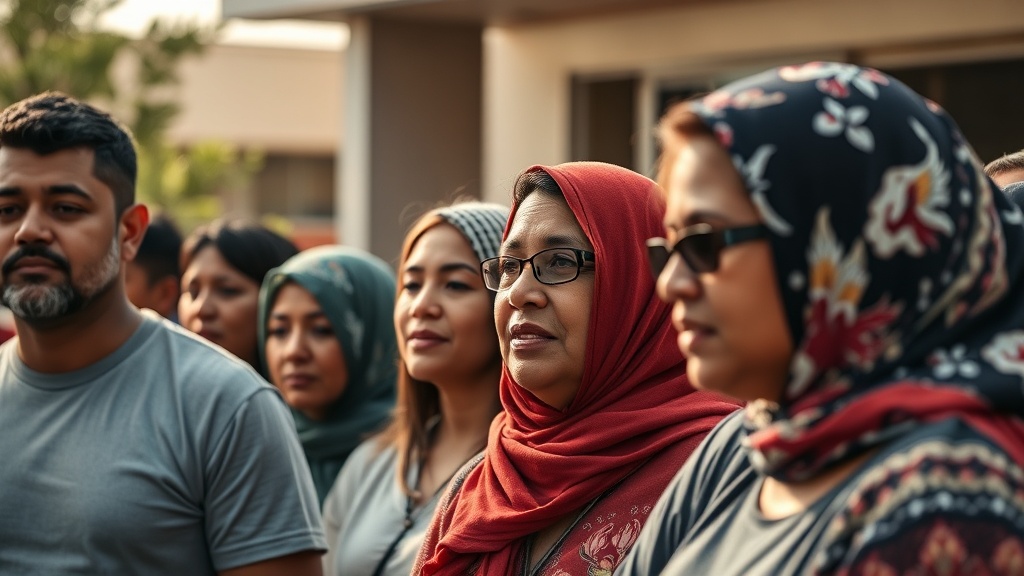
SALT LAKE CITY – In a dramatic turn of events, Venezuelan President Nicolás Maduro and his wife, Cilia Flores, were captured by U.S. military forces in an overnight strike in Venezuela, a development that has stirred a whirlwind of emotions among the Venezuelan community in Utah. President Donald Trump announced the capture Saturday morning, calling it an "effective military strike by land, air, and sea," igniting hope and apprehension among Venezuelans who have been living under Maduro's regime for years.
For many in the Venezuelan diaspora, the news represents a long-awaited milestone in their fight against what they perceive as a dictatorial regime. Mayra Molina, the executive director of the Venezuelan Alliance of Utah, expressed a collective sigh of relief. "This is something for us Venezuelans have been waiting for a long time. It's a moment that many of us have hoped would come, but it also brings with it a complex mix of feelings," she said.
The U.S. government has charged Maduro and his wife with multiple serious offenses, including conspiracy to commit narco-terrorism, cocaine importation conspiracy, and possession of machine guns and destructive devices. During his press conference, President Trump emphasized the charges against Maduro, stating, "He has been charged with narco-terrorism conspiracy, cocaine importation conspiracy, possession of machine guns and destructive devices, and conspiracy to possess machine guns and destructive devices against the United States."
In Utah, the Venezuelan community is largely optimistic about the implications of this military action. Alexis Parra, owner of a restaurant in Magna, conveyed a sense of hope through his daughter Arianna, who translated his words. "We are closer to liberty," Parra stated. "He's happy that we can be closer to freedom now." Many Venezuelans share this sentiment, viewing Maduro's capture as a pivotal moment in their struggle for democracy.
However, the military operation, which involved airstrikes and bombings, has also raised concerns for the safety of innocent civilians in Venezuela. Molina expressed her fears, saying, "Bombs falling in the sky of the beautiful city as a Venezuelan, it was a mix of feelings and emotions because they came through thinking, 'What will happen with the innocent people?'" She acknowledged that while Maduro's capture is a significant victory, it also comes at a potential cost to the lives of civilians caught in the crossfire.
The Venezuelan capital of Caracas experienced heavy bombardment during the military action, leading to fears of escalating violence. Molina reflects on the long history of struggle that her country has faced, noting, "I know there could be a lot of people against it, but we feel that we didn't have any more options. It's been more than 25 years fighting for this. We had more than 500,000 people killed by the government in Venezuela. We had people disappear from the government."
Despite the uncertainty surrounding the military strike and its aftermath, many in the community remain hopeful for a brighter future. Parra articulated this optimism, stating, "It's a sign of hope. Tomorrow is going to be a better day because there's no more dictator." This sentiment reflects the deep yearning for change that has fueled protests and movements against Maduro's administration over the years.
Molina echoed Parra's optimism, asserting, "Justice and Venezuela can go back to a democracy, freedom for love for all of the Venezuelan people." The hope for a transition to democracy is palpable among the Venezuelan expatriates, many of whom have family members still living in Venezuela, enduring economic hardship and political oppression.
As the situation unfolds, the international community watches closely. The implications of Maduro's capture could reshape the political landscape in Venezuela, potentially leading to a shift toward democratic governance. However, the path forward is fraught with challenges, including the need for humanitarian aid and support for those affected by decades of political turmoil.
In Utah, the Venezuelan community, while celebrating this momentous occasion, also remains vigilant about the potential repercussions of the military action. The dual emotions of hope for freedom and concern for the safety of loved ones in Venezuela encapsulate the complexity of the situation. As they navigate this uncertain future, the Venezuelan diaspora stands united in their aspiration for justice and democracy in their homeland.