High Avalanche Danger in Northern Utah: Experts Urge Caution in Backcountry
Northern Utah faces high avalanche danger due to recent storms; experts urge safety and caution for backcountry adventurers.
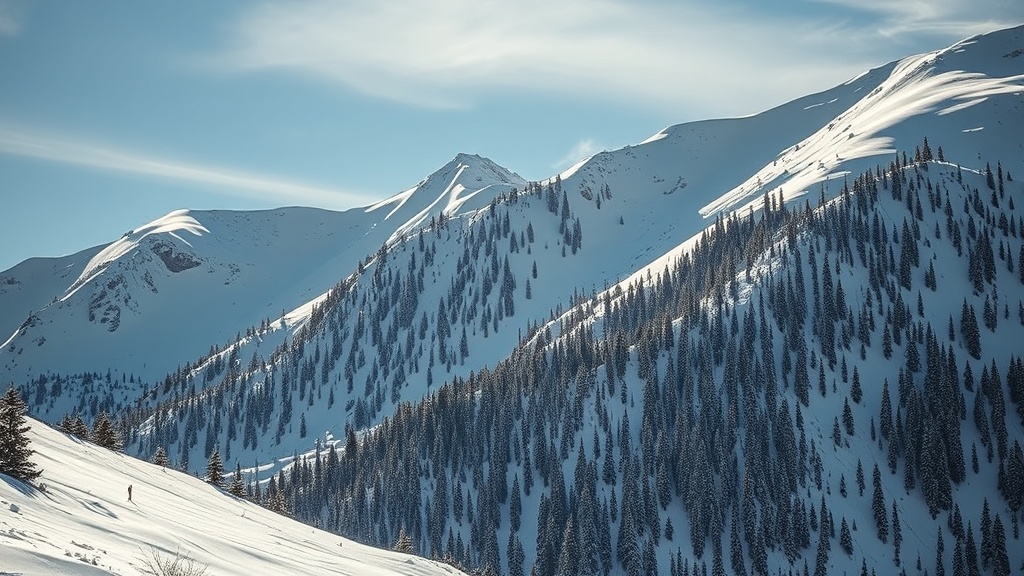
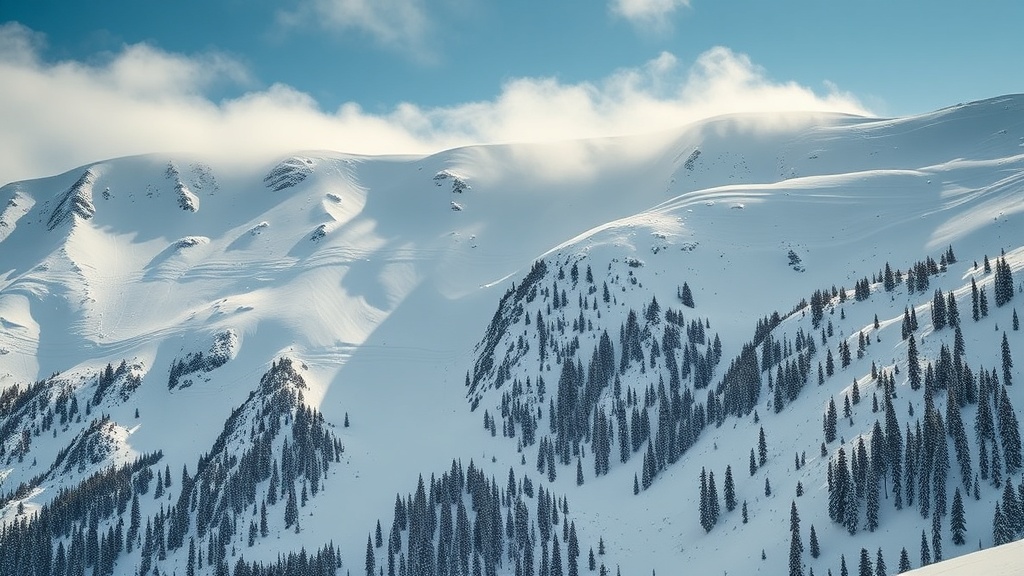
As recent storms sweep through northern Utah, the risk of avalanches in the backcountry has surged, prompting local forecasters to issue urgent warnings for outdoor enthusiasts. The combination of heavy snowfall and wind-drifted snow has created conditions that are particularly unstable, leading experts to advise anyone planning to venture into these areas to exercise extreme caution.
The Utah Avalanche Center (UAC), the primary source of avalanche forecasting in the region, has reported significant changes in snowpack stability due to the recent weather patterns. In a statement released earlier this week, they indicated that areas at higher elevations have experienced rapid accumulation of new snow, which has not settled properly, resulting in a precarious situation for skiers, snowboarders, and snowmobilers.
"We are seeing a lot of weak layers under the new snow, making it very easy for slides to occur," said Mark Staples, a forecaster with the UAC. "The risk is particularly high in the backcountry where people are less likely to have access to immediate help. It's crucial for everyone to understand the level of danger and prepare accordingly."
The UAC's advisory specifically highlights several zones, including the Wasatch Range and the Uintas, where conditions are particularly concerning. The forecasters have categorized the avalanche danger as 'high' in many areas, indicating that natural avalanches are likely, and human-triggered slides are almost certain. This categorization is a significant escalation from previous weeks when conditions were considered more stable.
In addition to the immediate danger of avalanches, the UAC has also raised alarms about the potential for slab avalanches, which occur when a cohesive layer of snow collapses under weight. These types of avalanches can be particularly deadly, as they often release large volumes of snow and can travel at high speeds.
Given the current conditions, experts recommend that anyone planning to engage in backcountry activities should have the proper avalanche safety equipment, including beacons, shovels, and probes. They also advise that individuals should travel in groups, maintain awareness of their surroundings, and consider taking an avalanche safety course to better understand the risks involved.
Local ski resorts are also weighing in on the situation. While controlled environments offer a safer alternative for skiing and snowboarding, many enthusiasts still seek the thrill of untracked powder in the backcountry. However, resort officials are echoing the warnings of the UAC, emphasizing the importance of safety first.
"We love to see people enjoying the outdoors, but we also want them to be safe," said Nicole Vonn, a spokesperson for Snowbird Ski Resort. "The backcountry can be beautiful and exhilarating, but it also comes with risks that should not be underestimated."
In light of these warnings, many local outdoor clubs and organizations are ramping up their outreach efforts to educate the public about avalanche dangers. Several upcoming workshops and seminars are scheduled to help skiers and snowboarders better understand avalanche safety and risk assessment. These initiatives are vital as they aim to foster a culture of safety and preparedness among backcountry adventurers.
As the winter progresses, the UAC will continue to monitor snow conditions and provide updates on avalanche danger levels. They encourage everyone to stay informed through their website and social media channels, particularly as weather patterns can change rapidly.
For those who still wish to enjoy the winter landscape, the UAC advises planning outings for lower-elevation areas where the avalanche risk is mitigated and staying on marked trails in order to avoid potentially hazardous conditions.
In summary, the avalanche danger in northern Utah's backcountry is currently high due to recent storms and unstable snow conditions. With expert warnings in place, outdoor enthusiasts are urged to prioritize safety by equipping themselves with the necessary gear, traveling in groups, and staying educated about avalanche risks. The importance of vigilance and preparedness cannot be overstated as winter’s grip continues to tighten in the region, and the call for responsible backcountry exploration grows louder than ever.