Greenland Prime Minister Responds Firmly to Trump's Threats of Takeover
Greenland's Prime Minister firmly rejects Trump's takeover threats, emphasizing sovereignty and self-governance amid rising geopolitical tensions.
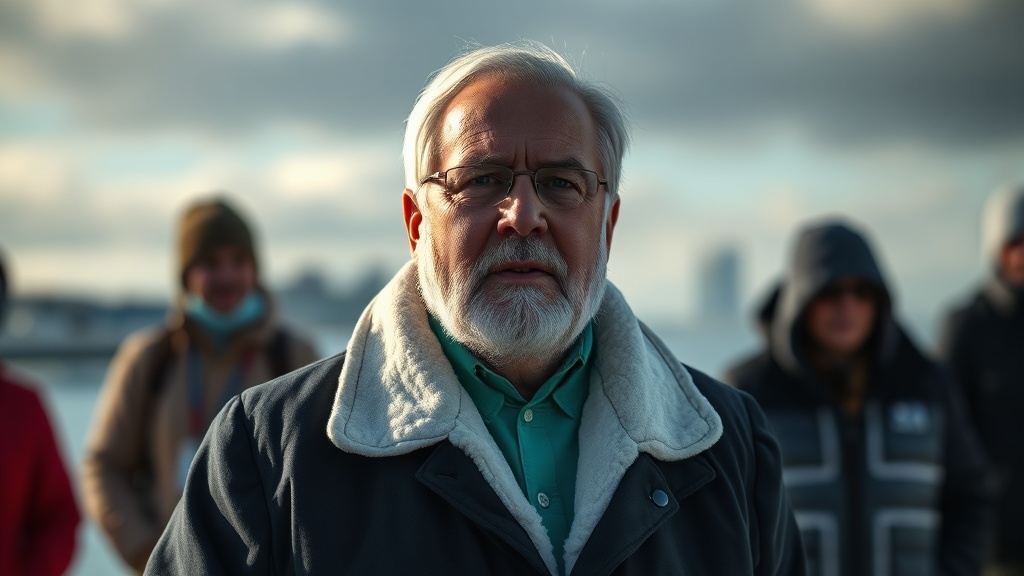
In a strong rebuttal to threats made by U.S. President Donald Trump regarding the potential acquisition of Greenland, Prime Minister Jens-Frederik Nielsen emphasized the importance of sovereignty for the self-governing territory. This declaration comes in the wake of Trump's comments that surfaced shortly after U.S. forces ousted Venezuelan President Nicolás Maduro, further igniting discussions about American foreign policy and territorial ambitions.
Greenland, an island nation with a landmass greater than that of Mexico, is rich in natural resources, including rare minerals and vast oil reserves, which have increasingly attracted global attention. As climate change continues to open up new shipping routes and expose untapped resources, the strategic significance of Greenland has grown. The U.S. has long been interested in establishing a stronger presence in the Arctic region, and Trump's previous attempts to purchase the territory in 2019 demonstrated a clear intention to expand American influence.
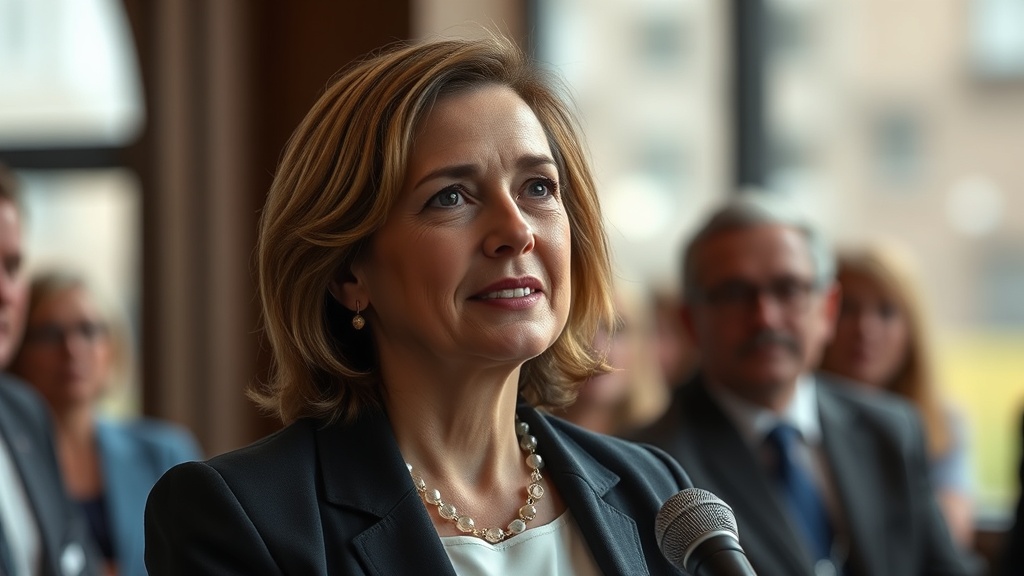
In a press conference held in Nuuk, the capital of Greenland, Prime Minister Nielsen stated, "Greenland is not for sale, and we will not entertain any fantasies about being taken over or acquired. We are a self-governing territory with our own rights, and we intend to uphold them. Our people have fought hard for our autonomy, and we cherish our relationships within the Kingdom of Denmark and with other nations."
The Prime Minister's statements come at a time of heightened geopolitical tensions and uncertainty. Trump's remarks, which many viewed as a revival of his controversial 2019 proposal to purchase Greenland, have once again raised eyebrows in the international community. The U.S. President's approach to foreign policy has often been characterized by bold and unconventional tactics, leading to both support and criticism domestically and abroad.
Nielsen's comments also reflect a broader concern among Nordic countries regarding American interventionism. The Prime Minister pointed out that Greenland's future should be determined by its own people, not through external pressure or coercion. He asserted, "We are open to cooperation with other nations, including the United States, but it must be on equal terms and with full respect for our autonomy."
The historical context of Greenland's governance is vital to understanding the current political landscape. Greenland has been a part of the Kingdom of Denmark since 1721, but it gained home rule in 1979 and expanded its autonomy with the Self-Government Act of 2009. This act granted Greenland more control over its own affairs, including economic development, education, and health, although Denmark still retains authority over foreign affairs and defense.
The interest in Greenland's resources has intensified as global markets evolve. The melting ice caps due to climate change are revealing previously inaccessible areas for oil drilling, mining, and fishing. As nations scramble to secure their interests in the Arctic, the geopolitical stakes have risen significantly. Trump's administration has often emphasized the need for the U.S. to remain competitive in this rapidly changing landscape.
In response to the growing interest from foreign nations, including China and Russia, Nielsen highlighted the importance of sustainable development. He stated, "We welcome investment and partnerships that respect our environment and our communities. We want to ensure that any development in Greenland benefits our people and preserves our unique way of life."
The implications of Trump's comments extend beyond Greenland's borders. They have reignited discussions about colonialism and the rights of indigenous peoples, as many in Greenland are of Inuit descent and have their own distinct cultural heritage. The Prime Minister's firm stance against any notion of takeover resonates with a growing global movement advocating for the rights of indigenous populations and self-determination.
As tensions rise between nations vying for influence in the Arctic, Greenland remains a focal point for discussions about sovereignty and international relations. The Prime Minister's commitment to uphold Greenlandic autonomy sends a clear message to the world: the territory's future will be shaped by its people, not by external ambitions. The dialogue surrounding Greenland’s governance and resource management will likely continue to evolve as the international community watches closely.
In conclusion, Greenland’s Prime Minister Jens-Frederik Nielsen has firmly rejected any claims of potential takeover by the United States, reiterating the territory's commitment to self-governance and sustainable development. As global interest in Greenland’s resources grows, the conversation about autonomy, sovereignty, and international relations remains more relevant than ever. The future of Greenland will be determined not by threats or fantasies but by the choices and rights of its own people.