Frank Mylar Pleads Guilty to Bribery Attempt in Utah Attorney General Race
Frank Mylar admits to bribery attempt in Utah attorney general race, sparking ethical concerns and impacting the 2024 election.
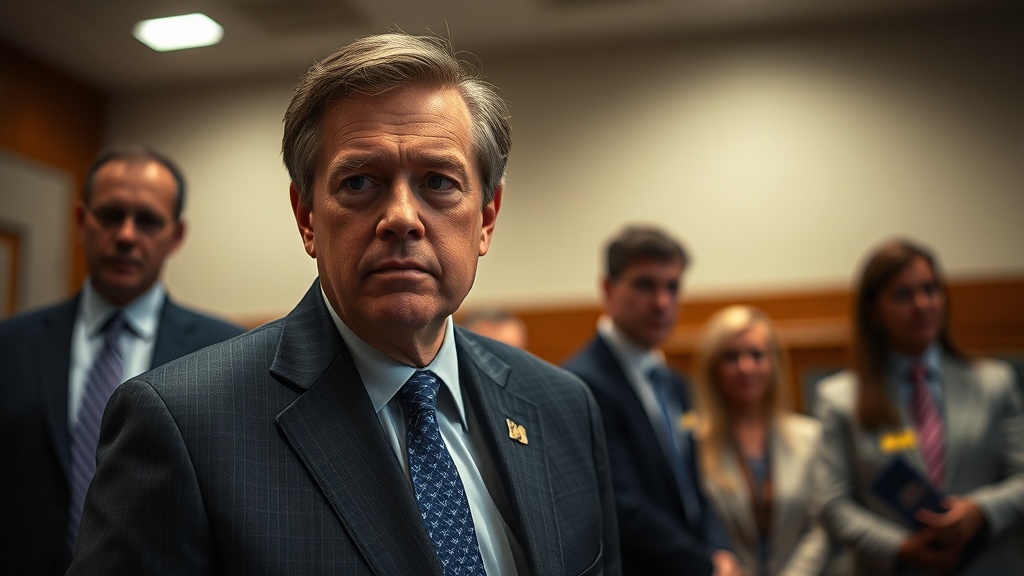
In a startling development in Utah's political landscape, Frank Mylar, a candidate for the attorney general position in the upcoming 2024 election, admitted to attempting to bribe a fellow candidate. The announcement came on Friday as part of a plea agreement that could lead to the dismissal of the case if Mylar adheres to specific conditions over the next year. This revelation has sent ripples through the local political community, raising questions about ethics and integrity in the state's electoral process.
The incident occurred in the lead-up to the 2024 election, where Mylar was vying for the Republican nomination against several other candidates. According to court documents, Mylar allegedly offered a bribe to a fellow candidate in exchange for their withdrawal from the race. The specific details of the bribe, including the amount and method, remain under wraps due to the terms of the plea deal.
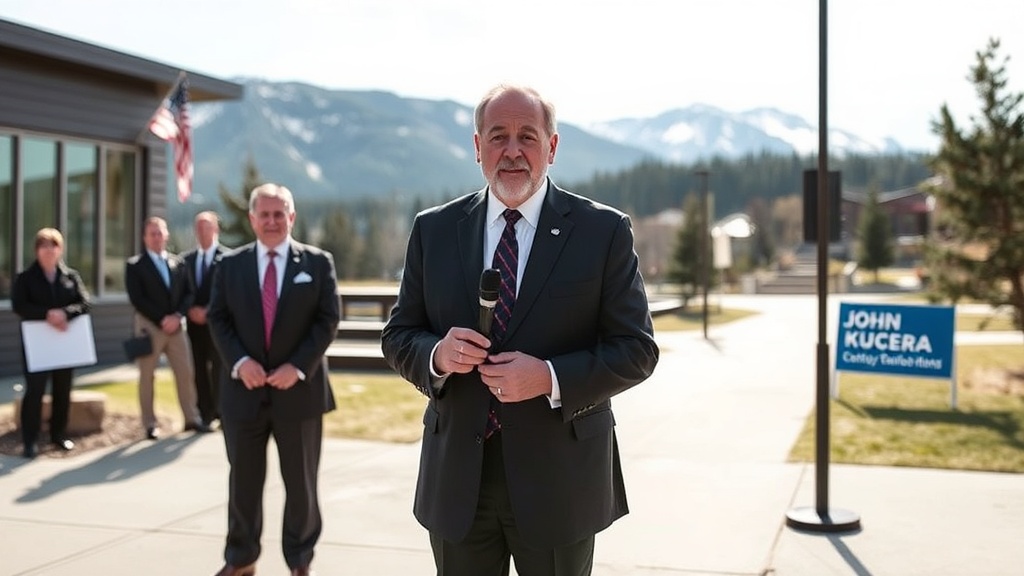
Mylar, who has a background in law and has previously held various legal positions, expressed remorse during a brief statement following the court proceedings. "I take full responsibility for my actions and understand the seriousness of my misconduct. I am committed to making amends and ensuring that this type of behavior does not tarnish the integrity of our electoral process," he stated. His willingness to admit guilt is seen by some as a step towards accountability, though critics argue it raises larger concerns about the ethical standards upheld by candidates in Utah.
The plea agreement stipulates that Mylar must complete a year of probation and comply with community service requirements. If he successfully meets these conditions, the bribery charges against him will be dismissed. This deal, however, has sparked debate among political analysts and constituents alike. Some believe that such leniency undermines the severity of the crime, while others argue that it provides a path for rehabilitation and redemption.
Political experts have noted that Mylar's actions could have significant implications for the upcoming election. The Utah attorney general's race is pivotal, especially in a state where legal and ethical accountability is paramount to voters. With Mylar's admission now public, his credibility as a candidate may suffer, potentially benefiting his opponents who are keen to capitalize on this controversy.
The Utah Republican Party has not yet issued a formal statement regarding Mylar's plea, but insiders suggest that party leadership is concerned about the potential fallout. "This doesn't just affect Frank; it reflects on the entire party," said a source close to the party who requested anonymity. "We need candidates who uphold the highest standards of integrity. This incident is a distraction we cannot afford as we head into a crucial election year."
Additionally, Mylar's admission raises ethical questions about the political culture in Utah. Over the years, the state has made significant strides in promoting transparency and accountability, yet incidents like this challenge those efforts. Advocacy groups have called for stricter regulations surrounding campaign conduct, arguing that instances of bribery, even attempts, should be met with zero tolerance.
As the political landscape evolves, Mylar's case may serve as a cautionary tale for future candidates. The repercussions of his actions could resonate beyond his personal campaign, impacting public trust in the electoral system as a whole. Voter sentiment may shift, prompting calls for reform in how candidates are vetted and monitored during election cycles.
The next year will be critical for Mylar as he navigates the terms of his plea agreement. His ability to fulfill the conditions could determine not only the fate of the charges against him but also his future political aspirations. For now, Utah voters will be watching closely, evaluating how this incident shapes their perceptions of integrity and accountability in their leaders.
As the 2024 election approaches, candidates will likely be more cautious in their campaign strategies, aware that scrutiny has intensified. Mylar's situation serves as a reminder that the actions of individuals can have broader implications for the political environment, influencing not only the candidates involved but also the electorate's confidence in their choices. The legal consequences he faces may be just the beginning of a long road toward redemption, both personally and politically.
In conclusion, Frank Mylar's admission of attempted bribery raises serious ethical concerns in Utah's political landscape, igniting discussions on accountability as the state prepares for its upcoming attorney general election. Voters and fellow candidates alike will be keenly observing the developments in this case, as it symbolizes the ongoing struggle for integrity within the political sphere.