Experts Advise Limiting Exposure to Violent Online Content Amid Rising Concerns
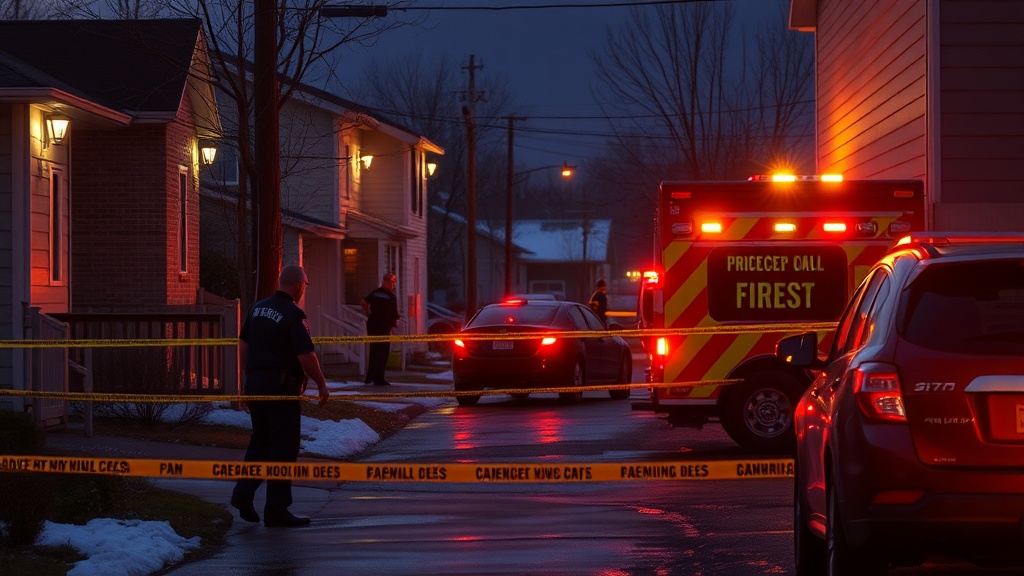
Experts urge limiting exposure to violent online videos to protect mental health amid rising violence in Minnesota.
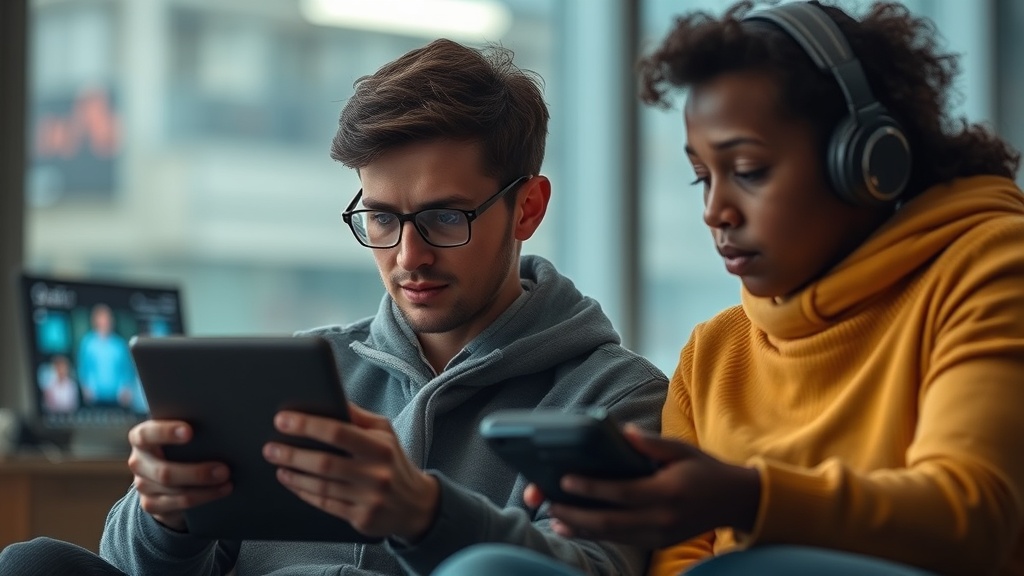
In an age where violent incidents are frequently disseminated through social media and online news platforms, the psychological impact of consuming such content is a growing concern among mental health professionals. Recent events in Minnesota, marked by a surge in violence and civil unrest, have intensified discussions about the consequences of exposure to violent videos circulating online. Experts emphasize the importance of coping strategies to mitigate the negative effects associated with consuming this distressing content.
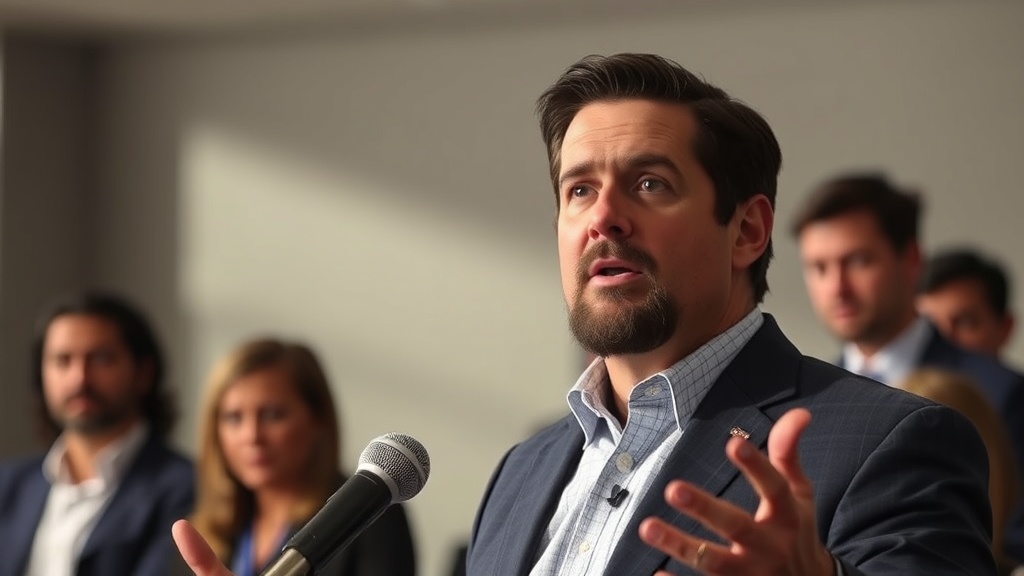
The ongoing violence in Minnesota has captured national attention, with graphic videos of confrontations and riots being shared widely across various platforms. These videos can often depict intense scenarios that evoke feelings of fear, anxiety, and helplessness among viewers. According to Dr. Sarah Thompson, a clinical psychologist with over 15 years of experience in trauma therapy, exposure to violent images can trigger a range of emotional responses. "Repeatedly witnessing violence, even in a digital format, can lead to desensitization, increased anxiety, and even post-traumatic stress symptoms," Dr. Thompson explained. "It’s crucial for individuals to recognize the potential harm that can arise from excessive exposure to such content."
Recognizing these risks, mental health experts recommend several coping strategies aimed at reducing exposure and managing emotional responses. One of the primary suggestions is to limit the amount of time spent on social media platforms where violent videos are prevalent. "Setting boundaries around social media use can be a powerful tool in maintaining one’s mental health," stated Dr. Michael Reed, a psychiatrist specializing in digital wellness. He advises individuals to allocate specific times for social media engagement and to be mindful of the content they are consuming during these periods.
In addition to limiting exposure, experts emphasize the importance of curating the media one engages with. This could involve unfollowing accounts that frequently share violent content and seeking out more positive or uplifting sources of news. "Content curation is an essential skill in today’s information-heavy environment," Dr. Reed noted. "By consciously choosing what to engage with, individuals can shield themselves from unnecessary emotional distress."
Furthermore, mental health professionals suggest incorporating mindfulness practices into daily routines as a way to cope with the anxiety that may arise from exposure to violent content. Mindfulness techniques, such as meditation, deep-breathing exercises, and grounding techniques, can help individuals regain a sense of control and calm. "Mindfulness allows individuals to center themselves and can mitigate feelings of panic or distress that may arise after viewing violent media," Dr. Thompson stated.
Community leaders are also recognizing the importance of mental health education in relation to media consumption. Local organizations in Minnesota are beginning to implement workshops that focus on building resilience and awareness around the impacts of violent media. These workshops aim to equip community members with the tools necessary to navigate the complexities of digital content without compromising their mental well-being.
In light of the current climate, parents are encouraged to take an active role in discussing media consumption with their children. Experts recommend open dialogues about the implications of viewing violent content and the emotional reactions it can provoke. "Creating a safe space for children to express their feelings about what they see online is vital," noted Dr. Lisa Kahn, a child psychologist. "Parents can help their children process these emotions and reinforce healthy coping mechanisms."
As the landscape of media continues to evolve, the responsibility to protect mental health rests not only on individuals but also on content creators and platforms. Advocacy groups are calling for more stringent regulations regarding the dissemination of violent content online. They argue that social media companies should implement better monitoring systems to limit the spread of graphic material that can negatively affect users’ mental health.
The conversation around violent online videos is complex and multifaceted, highlighting the intersection of mental health, technology, and community responsibility. As experts continue to study the effects of digital media on mental well-being, it is crucial for individuals to remain informed and proactive in managing their media consumption.
In conclusion, as the violence in Minnesota continues to unfold, the need for practical coping strategies becomes increasingly apparent. By limiting exposure, curating content, practicing mindfulness, and engaging in open discussions about media consumption, individuals can better protect their mental health while navigating a world fraught with distressing imagery. The conversation around violent online content is ongoing, and it is essential for society to prioritize mental health in the face of ever-evolving digital landscapes.