Essential Tips to Prevent Hand Injuries While Using a Snowblower This Winter
Snowblowers pose a risk of hand injuries during winter. Learn essential tips to stay safe while clearing snow.
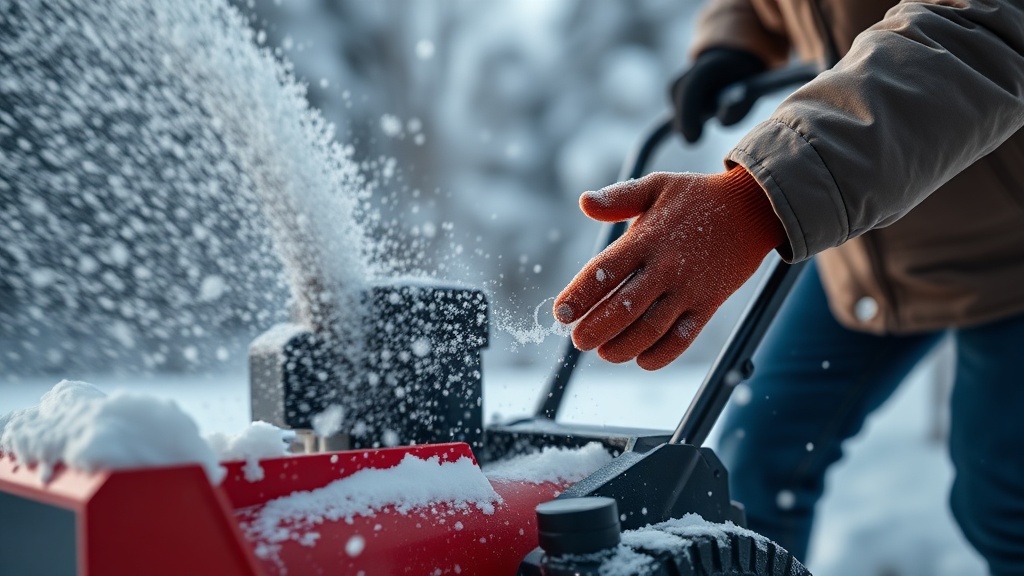
As winter descends upon Utah, snow-covered driveways and sidewalks become a common sight. For many residents, clearing snow is a necessary chore, often performed with the aid of snowblowers. However, misuse or accidents during this task can lead to significant hand and wrist injuries, which can be both painful and life-altering. In this article, we will explore the risks associated with snowblower use, preventative measures, and expert recommendations to ensure safety during the winter months.
According to the U.S. Consumer Product Safety Commission (CPSC), thousands of injuries occur each year due to snowblowers. In 2021 alone, over 6,000 snowblower-related injuries were reported, with hand and wrist injuries being among the most prevalent. These injuries can range from minor cuts and bruises to severe lacerations and fractures, often requiring medical attention and rehabilitation. The design of snowblowers, which involves fast-moving blades and powerful engines, contributes to these risks, as the machinery can be difficult to control, especially for inexperienced users.
One of the primary reasons for hand injuries is the improper handling of the snowblower. Many users inadvertently place their hands near the auger or impeller while attempting to clear clogs, which can result in severe lacerations. To mitigate this risk, safety experts recommend adhering to the manufacturer's guidelines, which often advise against manual intervention while the machine is in operation. "Always turn off the snowblower and disconnect the spark plug wire before attempting to clear any blockages," advises Dr. Emily Thompson, an orthopedic surgeon specializing in hand injuries.
In addition to following operational guidelines, wearing appropriate protective gear is crucial. Gloves designed for winter use can provide insulation against cold temperatures while also offering a better grip. However, it is essential to choose gloves that do not impede movement or dexterity. Experts recommend opting for gloves with reinforced palms and fingertips, which can help protect against cuts while allowing for better control over the machine. Furthermore, wearing a pair of safety goggles can prevent eye injuries from flying debris, adding an extra layer of protection during snow-clearing tasks.
Another significant factor contributing to hand injuries is fatigue. Snow removal can be a physically demanding activity, especially after a heavy snowfall. Many users may find themselves pushing the snowblower for extended periods, leading to muscle strain and loss of control. To combat fatigue, it’s essential to take regular breaks, particularly during prolonged use. Experts recommend setting a timer to remind oneself to pause, stretch, and reassess the situation. This practice not only reduces the risk of injury but also improves the efficiency of the snow-clearing process.
Education plays a vital role in preventing injuries. Local municipalities and community centers in Utah are increasingly offering workshops and demonstrations on safe snowblower operation. These programs focus on teaching residents about the proper techniques for using snowblowers, as well as the importance of maintenance. Regularly servicing a snowblower—checking the oil, examining the blades, and ensuring that all parts are functioning correctly—can prevent accidents caused by mechanical failure. According to Tom Reynolds, a local snow removal expert, “A well-maintained snowblower is less likely to jam or malfunction, which significantly reduces the risk of injury.”
Additionally, understanding the terrain and conditions can also play a crucial role in preventing hand injuries. Icy or uneven ground can make using a snowblower more challenging, increasing the likelihood of accidents. Homeowners are advised to assess their properties before starting, clearing walkways or driveways of ice and obstacles. This proactive approach not only improves safety for the operator but also ensures that the snowblower can function efficiently without unnecessary interruptions.
In conclusion, while snowblowers are invaluable tools for managing winter snowfall, they come with inherent risks that can lead to serious hand and wrist injuries. By following the manufacturer's guidelines, wearing suitable protective gear, taking regular breaks, and participating in educational programs, Utah residents can significantly reduce their risk of injury. As the winter months progress, implementing these safety measures will ensure that individuals can enjoy the season without the burden of preventable accidents, allowing everyone to focus on more enjoyable winter activities.
As always, if injuries do occur, it’s essential to seek medical attention promptly. Early intervention can often lead to better outcomes and quicker recovery times, ensuring that residents remain safe and healthy during the winter months.