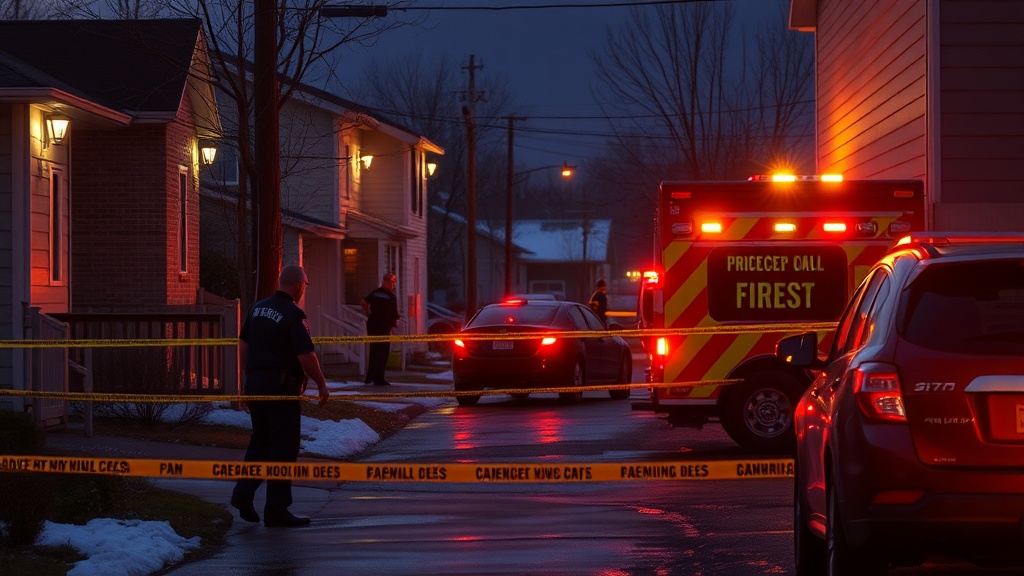
Drone Interference Delays Urgent LifeFlight Transport of Critical Child Patient
A drone's presence delayed a LifeFlight helicopter, risking a critically ill child's transport, highlighting urgent safety concerns.
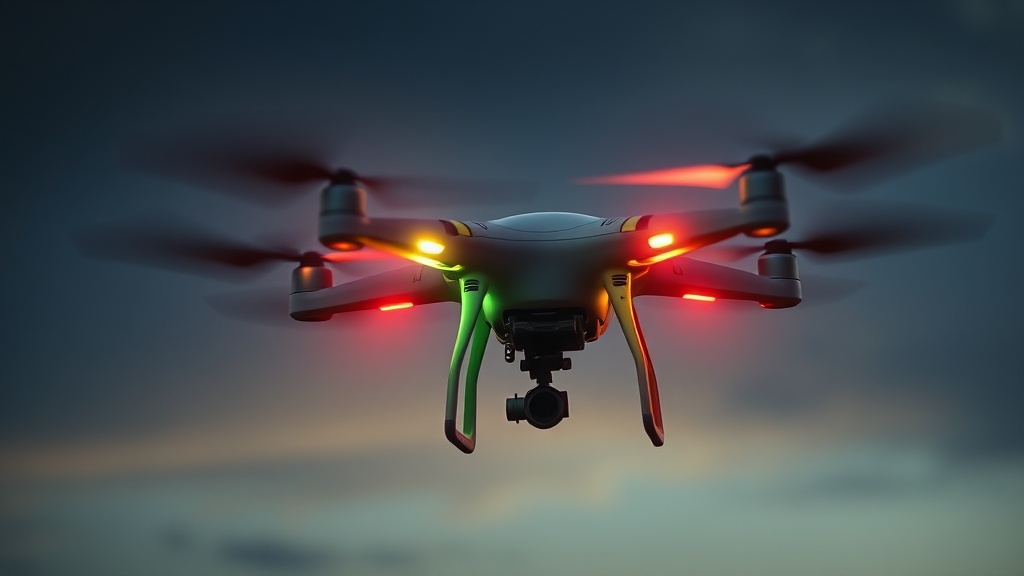
In a concerning incident that underscores the growing risks associated with drone operations near emergency services, a LifeFlight helicopter experienced a significant delay on Saturday afternoon due to a drone flying directly above it. The event occurred around 3:40 p.m. as the helicopter was preparing to land at Primary Children's Hospital in Salt Lake City, Utah, to transport a critically ill child to a facility better equipped for intensive care.
According to a post on the Lehi Police Department's social media account, the presence of the drone posed a serious threat to the safety of both the helicopter and the child it was meant to transport. "It is crucial for drone operators to be aware of their surroundings and adhere to regulations that prohibit flying drones in restricted airspace, especially near hospitals and emergency transport vehicles," stated a representative from the police department.
The helicopter's delay was a matter of life and death, as the child required immediate medical attention that could only be provided at a specialized facility. LifeFlight, which is known for its rapid response capabilities, had to circle above the area until the drone was removed from the airspace, leading to precious minutes being lost in the transport process. Medical professionals on board reported that every minute counts in such critical situations, and delays can have lasting impacts on patient outcomes.
Drones have become increasingly popular for various recreational and commercial purposes, but their operation near emergency situations is heavily regulated. The Federal Aviation Administration (FAA) has set strict guidelines that prohibit drone flights within five miles of hospitals and helipads unless the operator has secured permission. Despite these regulations, incidents of unauthorized drone use continue to rise, sparking concerns among emergency responders and the FAA about the potential for serious accidents.
In this particular case, the drone operator remains unidentified, and it is unclear whether any legal action will be taken against them. However, the incident serves as a poignant reminder of the need for greater awareness and education regarding drone safety. Local authorities and aviation officials have called for public campaigns aimed at informing drone users about the critical nature of airspace regulations and the dangers posed to emergency services.
"We urge all drone operators to be responsible and adhere to the rules in place. Emergency situations require swift action, and any obstruction can lead to dire consequences," warned the police department in its statement.
The LifeFlight helicopter was eventually able to land safely after the drone was cleared from the area. The child was transported to a specialized facility for urgent medical attention. Fortunately, the child is reported to be stable after receiving the necessary care. However, the incident has sparked discussions among medical and aviation professionals about the need for stricter enforcement of drone regulations to protect emergency services.
As drone technology continues to advance, the potential for misuse will likely grow. Communities across the nation are grappling with how to balance the benefits of drone technology against the risks it poses to public safety, particularly in emergency contexts. This incident in Utah adds to a growing list of similar occurrences that have raised alarms among emergency responders about the need for immediate and impactful changes in drone regulation and education.
In conclusion, while drones offer exciting possibilities for various industries, their operation near emergency services poses significant risks that must be addressed. The recent delay experienced by LifeFlight highlights the urgent need for increased awareness among drone operators regarding safety regulations, as well as the potential consequences of their actions. Authorities are now calling for an intensified focus on compliance and education to prevent future incidents that could jeopardize lives. As communities adapt to the evolving landscape of technology, ensuring the safety of emergency services remains paramount.