Democratic Lawmakers Voice Strong Opposition to Proposed 1,300-Bed Homeless Shelter in Utah
Democratic lawmakers in Utah strongly oppose a proposed 1,300-bed homeless shelter, citing concerns over community impact and effectiveness.
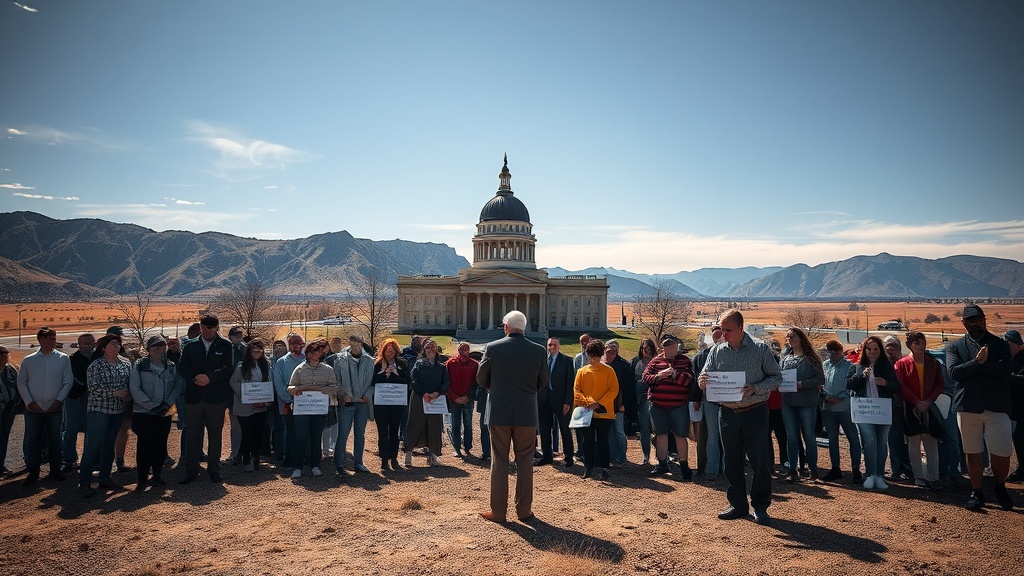
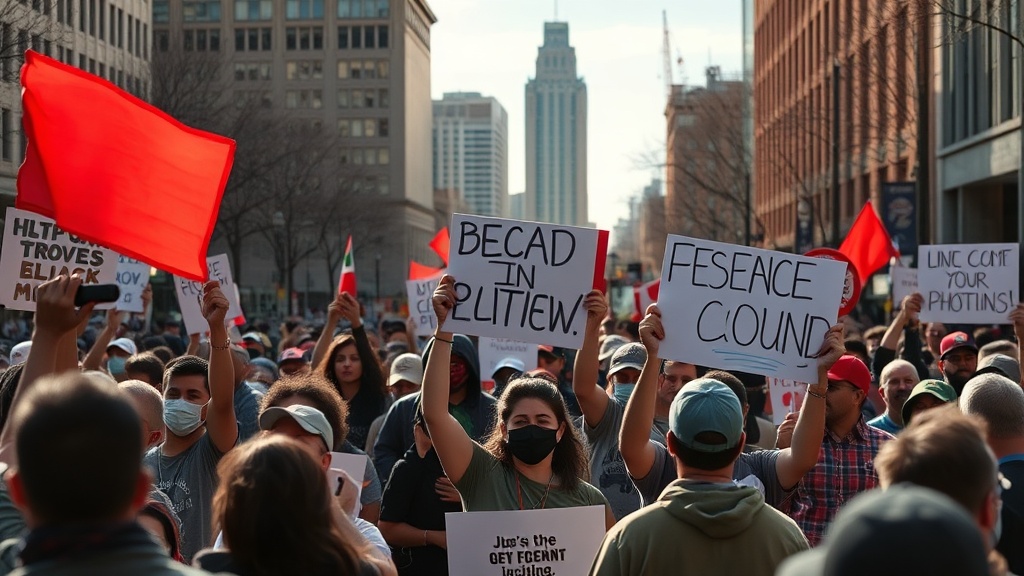
In a heated legislative forum held on the west side of Salt Lake City, four Democratic lawmakers voiced their staunch opposition to a proposed 1,300-bed homeless shelter championed by Governor Spencer Cox. The proposal, aimed at addressing the escalating homelessness crisis in Utah, has sparked significant controversy among local officials and residents alike, who argue that the shelter's location and capacity could exacerbate existing challenges rather than alleviate them.
The forum, attended by a diverse group of community members and local leaders, served as a platform for lawmakers to articulate their concerns regarding the shelter. Representative Angela Romero emphasized that the sheer size of the proposed facility is impractical. "It makes no sense to put so many people in one location without addressing the underlying issues of mental health and addiction that many of our homeless individuals face," Romero stated. She further noted that the plan fails to consider necessary support services that would help individuals reintegrate into society.
Senator Luz Escamilla echoed Romero’s sentiments, highlighting the potential negative impacts on the surrounding community. "A shelter of this magnitude would likely lead to increased traffic, noise, and safety concerns in an area that is already facing significant challenges," she remarked. Escamilla proposed that smaller, decentralized shelters would be more effective, allowing for better integration with existing community resources and services.
The proposed shelter is part of a broader initiative by Governor Cox to combat rising homelessness in Utah, a state that reported a 12% increase in homeless individuals over the past year, according to recent statistics from the Utah Department of Workforce Services. The governor has argued that a centralized shelter would provide a necessary solution, offering a safe space for individuals currently living on the streets. However, critics argue that the plan is a short-term fix that does not address the root causes of homelessness.
Local resident and community activist, Michelle Anderson, also voiced her concerns during the forum. "We need to approach this issue holistically. Just providing a roof over people’s heads without the necessary support services isn’t enough. We need more affordable housing options, job training programs, and mental health resources," Anderson asserted. Her comments resonated with many attendees, who expressed a desire for a more comprehensive strategy to tackle homelessness.
The forum also highlighted the role of local government in addressing the issue. Salt Lake City Mayor Erin Mendenhall has been actively involved in discussions surrounding the homeless crisis and emphasized the importance of collaboration between state and local officials. "We need to work together to find solutions that are sustainable and respectful to both the homeless community and the residents of Salt Lake City," Mendenhall stated.
In response to the growing opposition, Governor Cox's administration has stated that they are open to feedback and are willing to explore alternative solutions. However, critics remain skeptical of the state’s willingness to adapt the proposal. "The administration needs to listen to the community and take their concerns seriously. We cannot afford to repeat the mistakes of the past by implementing a one-size-fits-all approach to homelessness," Romero warned.
As discussions continue and community forums are held, the future of the proposed shelter remains uncertain. Local advocates are mobilizing to ensure that their voices are heard, urging state officials to consider more effective and compassionate approaches to homelessness. The outcome of this debate will not only impact the immediate community but will also set a precedent for how Utah addresses homelessness moving forward.
In conclusion, the proposed 1,300-bed homeless shelter has ignited a significant debate among lawmakers, local officials, and community members in Utah. With rising homelessness rates and increasing concerns about the effectiveness of current strategies, it is clear that a multifaceted and collaborative approach is necessary. As the discussion unfolds, the state government will need to carefully weigh the implications of their decisions on the lives of vulnerable individuals and the communities in which they reside.