Critical Literacy Crisis: Half of Utah's Young Students Struggle with Reading Proficiency
A new report reveals that nearly half of Utah's third graders struggle with reading, highlighting a critical literacy crisis in the state.
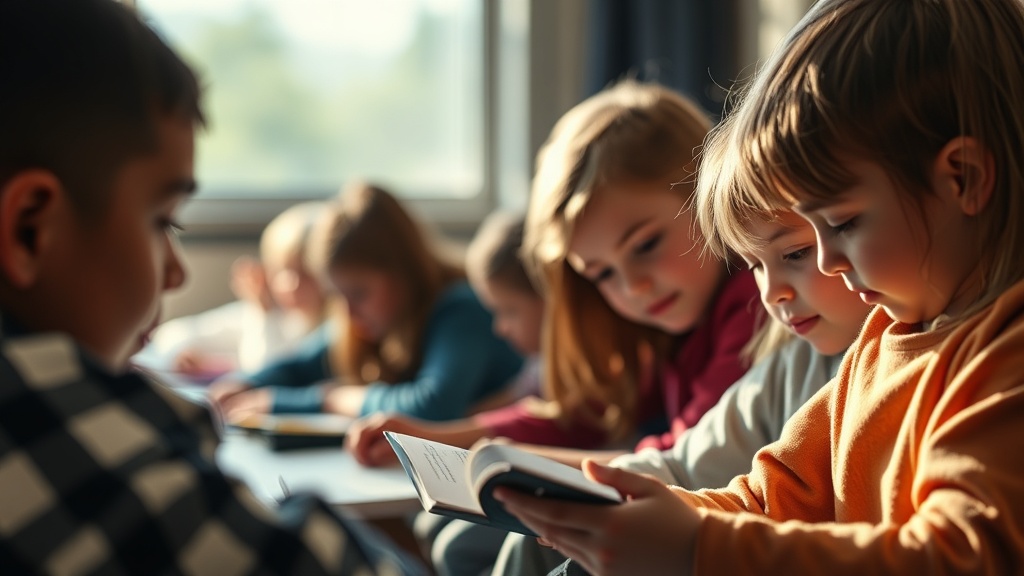
In a concerning revelation for educators and parents alike, a new report from the University of Utah's Kem C. Gardner Policy Institute indicates that nearly half of Utah's third graders are not reading at grade level. The findings, which highlight a significant literacy crisis among early learners, raise urgent questions about the educational strategies currently in place to support young readers in the state.
According to the report, approximately 48% of students in kindergarten through third grade are falling behind in reading proficiency. This alarming statistic not only reflects the challenges faced by students but also underscores the pressing need for systemic changes within Utah's education system. The report analyzed data from various school districts across the state, revealing disparities that suggest a broader trend of educational inequity.
Dr. Jennifer Robinson, a researcher at the Kem C. Gardner Policy Institute, emphasized the importance of early literacy skills in a child's academic and social development. "Reading is foundational to all other learning. If children cannot read by the end of third grade, they are at a higher risk of struggling in other subjects, which can lead to long-term academic challenges," she stated. The report highlights that these early years are crucial, as children who are not proficient readers by the end of third grade are significantly more likely to experience difficulties throughout their educational journey.
The analysis further revealed that certain demographics are disproportionately affected by low literacy rates. For instance, students from low-income families and those in rural areas face greater obstacles in accessing quality reading resources and educational support. The report suggests that these disparities are exacerbated by factors such as limited access to technology and fewer educational programs designed to promote literacy in underserved communities.
In response to these findings, local educators and policymakers are calling for immediate action to address the literacy gap. Many are advocating for enhanced funding for early childhood education programs, increased training for teachers in literacy instruction, and the implementation of evidence-based reading interventions in classrooms.
"We need to ensure that every child has access to the resources they need to succeed, regardless of their background," said Jane Doe, a principal at a struggling elementary school in Salt Lake City. "Investing in our youngest learners is not just an educational imperative; it's a moral one."
The report also highlights successful initiatives currently being implemented in some districts that may serve as models for improvement. Programs that focus on phonics-based reading instruction, one-on-one tutoring, and family engagement in literacy activities have shown promising results. For example, the Salt Lake City School District has recently launched a community partnership aimed at providing parents with tools and resources to support their children's reading at home.
Despite these initiatives, the road ahead remains challenging. The COVID-19 pandemic has exacerbated learning loss, with many students having experienced disruptions to their education that have impacted their literacy skills. This has led to calls for a comprehensive strategy that not only addresses immediate literacy needs but also considers the long-term implications of educational inequities.
State education officials are now faced with the task of analyzing these findings and developing actionable plans. "We recognize the urgency of this situation, and we are committed to making literacy a top priority in our educational agenda," said Tom Adams, the State Superintendent of Public Instruction. "We must collaborate with teachers, parents, and communities to create a robust support system for our young readers."
As Utah grapples with this critical literacy crisis, the need for collective action becomes increasingly clear. The implications of failing to address these literacy challenges extend beyond the classroom; they impact the future workforce and overall societal well-being. With nearly half of young students struggling to read at grade level, the call to action is loud and clear: decisive measures must be taken to ensure that every child in Utah has the opportunity to thrive academically and beyond.
In conclusion, the findings from the Kem C. Gardner Policy Institute serve as a wake-up call for educators, policymakers, and communities throughout Utah. The time to act is now, as the future of the state's children hangs in the balance. Only through concerted efforts can we hope to bridge the literacy gap and provide all students with the foundation they need for a successful educational journey and a brighter future.