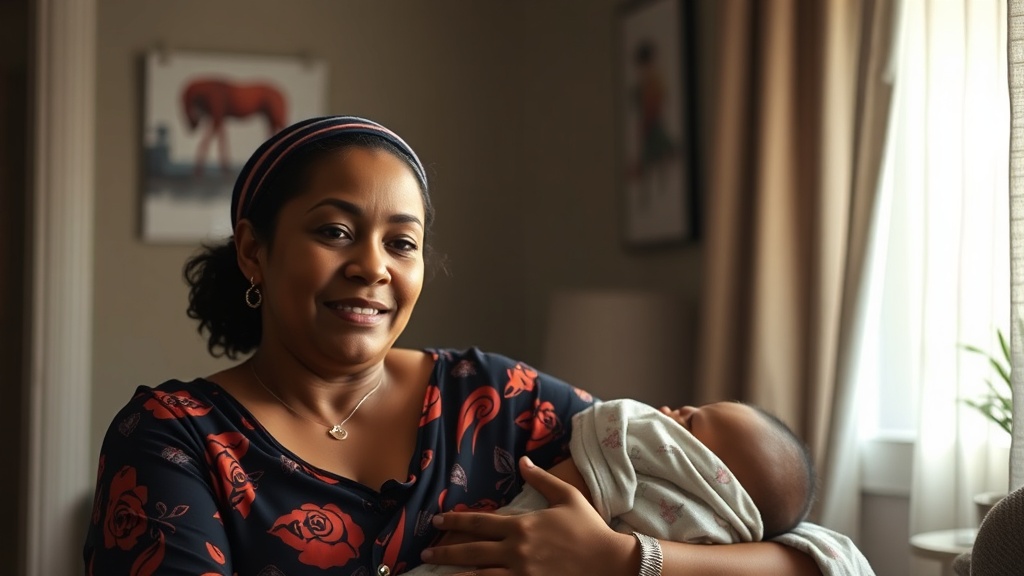
Couple Advocates for Genetic Testing After Losing Two Babies to Kidney Defects
After losing two babies to a rare condition, one couple advocates for genetic testing to prevent future heartache.

In a heart-wrenching journey marked by loss and resilience, Bre Goodwin and her partner have emerged as advocates for genetic testing after suffering the unimaginable tragedy of losing two babies born without kidneys. The couple’s experience has highlighted a critical gap in prenatal care and raised awareness about the importance of genetic testing for expectant parents who may be at risk for hereditary conditions.
Bre Goodwin and her partner, who reside in Utah, were initially overjoyed at the prospect of becoming parents. However, their joy turned to despair when they received the devastating news that their first child had a serious medical condition. Despite the grim prognosis, they held onto hope, but tragically, their baby was born without kidneys, a condition known as renal agenesis. This rare anomaly occurs when the kidneys fail to develop during fetal growth, leading to severe complications.
The couple was determined to try again, believing that their first experience was an isolated incident. However, their hopes were dashed once more when they lost a second baby to the same condition. "We were told that it was likely just a fluke, and that the chances of it happening again were extremely low," Bre recalls, her voice tinged with sadness. "But we learned the hard way that we should have explored genetic testing."
Following their second loss, Goodwin sought answers and began to research the implications of genetic conditions. She discovered that renal agenesis can be linked to various genetic factors, and her family's medical history may have played a role in the heartbreaking occurrences. "There were no clear indicators, but we felt we needed to understand what was happening in our bodies and why this was happening to us," she explained.
Genetic testing, while not always a definitive solution, offers vital information that can guide prospective parents in making informed decisions regarding their reproductive health. It can identify inherited conditions that may increase the risk of certain birth defects, enabling couples to take preventive measures or prepare for potential challenges. Experts recommend that individuals with a family history of genetic disorders, or those who have experienced multiple pregnancy losses, consider genetic counseling and testing.
Dr. Emily Harris, a genetic counselor at the University of Utah Health, emphasized the importance of early intervention. "Genetic testing provides insight into potential risks and can help families understand their chances of having a healthy pregnancy," she stated. "For couples like Bre and her partner, it can be a crucial step in preventing future heartbreak."
Bre and her partner are now advocating for the broader acceptance of genetic testing as a routine part of prenatal care. They believe that if they had been encouraged to pursue genetic testing after their first loss, they might have been able to prevent their second tragedy. "If we can save even one family from experiencing this kind of pain, then our story is worth sharing," Bre said.
The couple is now actively involved in community outreach, sharing their story and supporting other families who have faced similar challenges. They have started a local support group to help parents navigate the complexities of pregnancy loss and genetic testing. "It’s important for families to know they are not alone and that there are options available to them," Bre said.
The Goodwins' experience has prompted discussions about the need for healthcare providers to offer comprehensive prenatal care that includes genetic counseling as a standard practice. Many expectant parents may not be aware of the risks associated with genetic conditions, and as such, may not advocate for themselves in conversations with their healthcare providers.
In light of their experiences, Bre is hopeful that sharing their story will encourage other couples to engage in discussions about genetic testing. "We want to empower people to ask questions and seek out information. Knowledge is power, especially when it comes to our health and the health of our future children," she remarked.
As the couple continues their journey towards parenthood, they remain vigilant and hopeful. While the road ahead may be fraught with uncertainty, they are committed to ensuring that their story serves as a beacon of hope for others facing similar challenges. They are resolute in their belief that genetic testing should be a standard part of prenatal care, helping to prevent future tragedies for families across the country.
Bre Goodwin’s poignant message resonates with many: when faced with devastating news about pregnancy, it’s crucial to explore every avenue available, including genetic testing, to safeguard the future of families and potential children. The Goodwins' advocacy is not just about their own losses; it’s about paving the way for a future where fewer families endure the heartbreak they faced.