Consequences of Maduro's Capture: Legal and Political Ramifications Explored
The capture of Venezuelan President Maduro raises significant political and legal questions about U.S. intervention and the country's future.
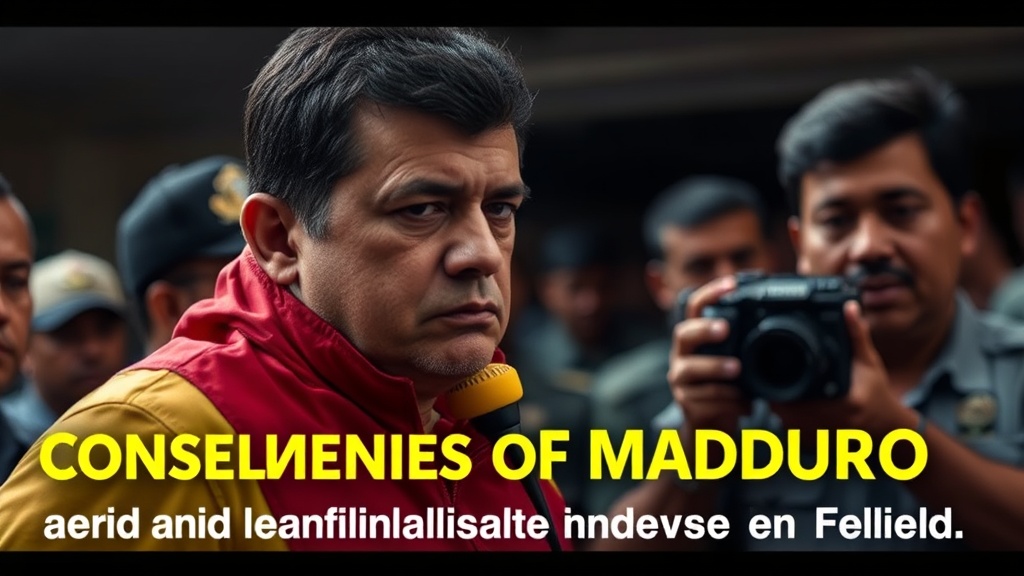
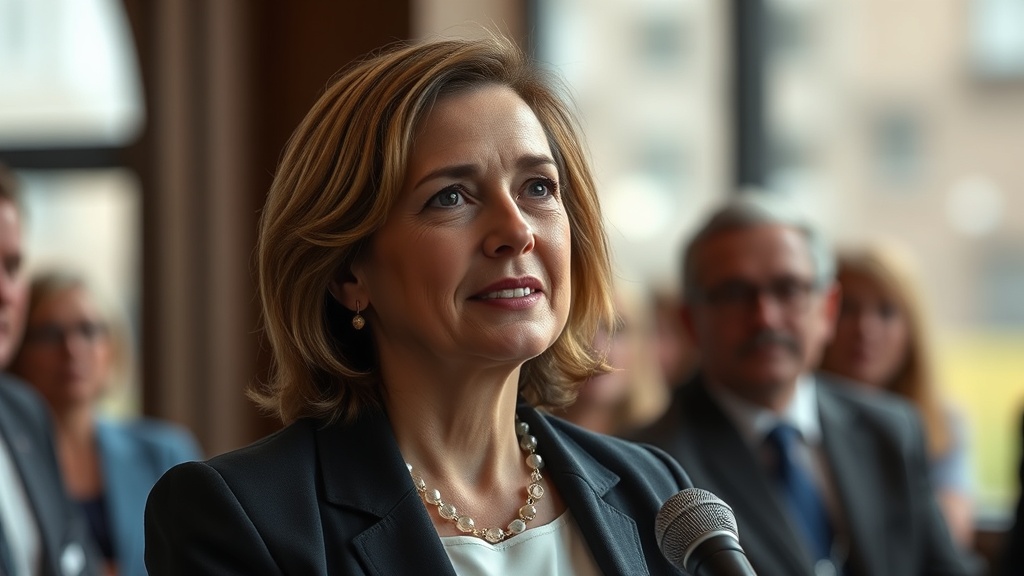
In a surprising turn of events, Venezuelan President Nicolas Maduro was captured on Saturday, prompting a wave of reactions from political analysts, government officials, and international observers. The implications of this capture are profound, not only for Venezuela but also for the broader geopolitical landscape in Latin America and beyond. As the world grapples with the fallout from this dramatic development, Brigham Young University (BYU) professor and international relations expert, Dr. Emily Torres, offers her insights into the potential consequences of U.S. intervention and the legal complexities surrounding Maduro's trial.
Maduro's ascendance to power in 2013 was marked by controversy, with allegations of electoral fraud and human rights abuses casting a shadow over his presidency. Over the years, his administration has been criticized for a deteriorating economy, rampant inflation, and widespread shortages of basic goods. The capture of Maduro, often labeled as a dictator by international critics, raises questions about the future of governance in Venezuela and the role of the United States in Latin American affairs.
Dr. Torres explained that the immediate aftermath of Maduro's capture could lead to significant shifts in Venezuelan politics. "The removal of Maduro could create a power vacuum, leading to infighting among various political factions. The opposition, which has been fragmented and weakened under Maduro's rule, may find itself at a crossroads. Will they unite to form a transitional government, or will internal divisions lead to further instability?" she stated.
With Maduro's capture, the potential for a transitional government is a point of contention. Venezuela has a history of political turmoil, and the opposition is divided between moderates and more radical factions. The United States has long supported the opposition, but there are questions about how involved the U.S. will be in shaping the country's future. Dr. Torres noted, "The U.S. has expressed a commitment to democracy in Venezuela, but any intervention must be carefully calibrated to avoid exacerbating existing tensions."
One of the most pressing questions following Maduro's capture is whether the U.S. can legally try him. As a sitting president, Maduro has been accused of numerous crimes, including drug trafficking and human rights violations. However, legal scholars are divided on this issue. Some argue that Maduro should face charges in international courts, while others advocate for a domestic trial in Venezuela. "The principle of universal jurisdiction could apply if Maduro is tried outside of Venezuela, but it raises complex legal questions regarding sovereignty and the legitimacy of the U.S. intervention," Dr. Torres explained.
The international community is also closely monitoring developments in Venezuela. Countries such as Russia and China, which have historically supported Maduro's regime, may react strongly to U.S. actions. Dr. Torres pointed out, "The geopolitical implications are significant. If the U.S. moves forward with a trial or further intervention, it could strain relations with countries that view this as an overreach of American power."
In addition to the political and legal ramifications, the humanitarian situation in Venezuela remains dire. Over the past few years, millions of Venezuelans have fled the country in search of better living conditions, creating a refugee crisis that has affected neighboring nations. Any transition in leadership could impact the flow of refugees and the international response to the humanitarian crisis.
Dr. Torres emphasized that the U.S. must prioritize humanitarian aid in any intervention strategy. "The focus should be on addressing the needs of the Venezuelan people. Any new government should be held accountable for ensuring basic human rights and rebuilding the economy," she said.
As the dust settles from Maduro's capture, the future of Venezuela hangs in the balance. The road ahead is fraught with challenges, including the need for national reconciliation, economic recovery, and the establishment of a credible electoral process. The involvement of the U.S. and its allies will play a crucial role in shaping Venezuela's trajectory, but the potential for unintended consequences looms large.
In conclusion, the capture of Nicolas Maduro marks a pivotal moment in Venezuela's tumultuous history. The consequences of this event will resonate far beyond the borders of Venezuela, influencing U.S. foreign policy, regional stability, and the lives of millions of Venezuelans. As the situation continues to unfold, the international community will be watching closely, hoping for a peaceful and democratic resolution to a crisis that has lasted far too long.