Congress Upholds National Park Service Funding, Rejects Trump's Proposed Cuts
Congress rejects Trump's proposed $1 billion cut to the National Park Service, ensuring continued funding for America's national parks.
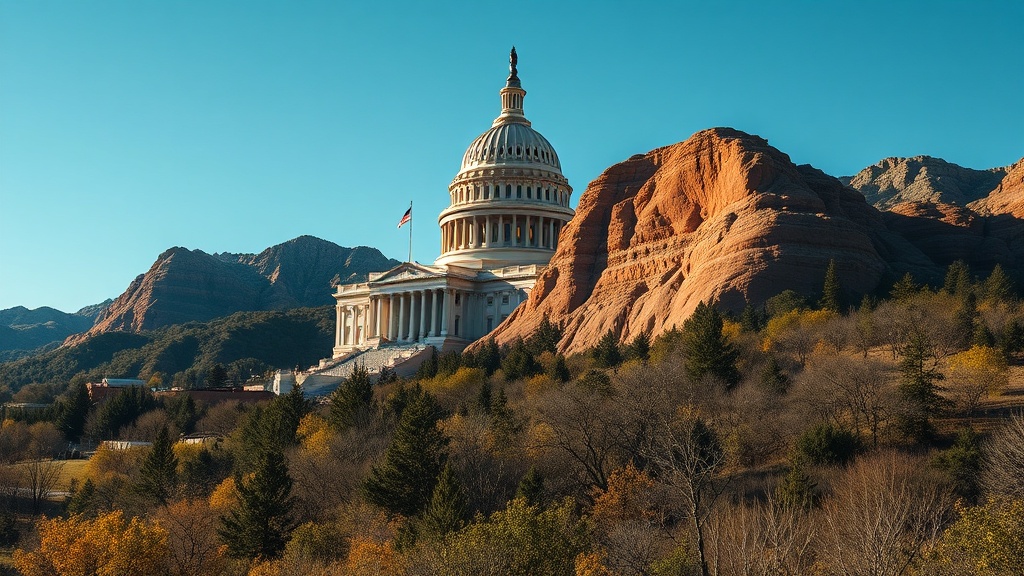
In a significant decision reflecting bipartisan support for America’s natural treasures, Congress has voted to maintain the budget of the National Park Service (NPS) for the 2026 fiscal year. This decision comes in stark contrast to President Donald Trump’s proposal to slash the agency’s funding by $1 billion, a move that would have drastically affected the management and operation of national parks across the country. The appropriations committee's rejection of this substantial cut underscores a growing recognition of the importance of preserving the nation’s natural landscapes, historical sites, and recreational areas.
The National Park Service, tasked with managing over 400 sites including national parks, monuments, and historic sites, has been a cornerstone of American heritage and environmental conservation since its establishment in 1916. The service employs thousands of staff members and supports millions of visitors each year, generating significant economic activity in surrounding communities. By maintaining its current budget, Congress has chosen to prioritize the preservation of these vital assets amid ongoing discussions about environmental stewardship and sustainable tourism.
During discussions surrounding the budget proposal, numerous lawmakers expressed concerns about the potential repercussions of the proposed cuts. Representative Betty McCollum, a Democrat from Minnesota and chair of the House Appropriations Subcommittee on Interior, Environment, and Related Agencies, emphasized the need for adequate funding to address the growing maintenance backlog in national parks, which has ballooned to over $12 billion. McCollum stated, "Cutting $1 billion from the NPS budget would have devastating effects, not only on our parks but also on the local economies that depend on tourism and recreation. We must invest in our natural heritage."
The proposed cuts came as part of a broader fiscal plan outlined by the Trump administration, which aimed to reduce federal spending across various sectors. However, the backlash from environmental advocates, local governments, and even some members of Trump’s own party was swift. Conservation groups argued that such cuts would hinder the NPS’s ability to maintain safe and accessible parks, contributing to a decline in visitor experiences and potentially diminishing the long-term appeal of these sites.
In the wake of this decision, several stakeholders have weighed in on the implications for future funding and the overall health of the National Park Service. The NPS plays a critical role not just in conservation, but also in education and cultural preservation. Many parks serve as outdoor classrooms, providing educational programs that connect people with nature and history. The funding decision ensures that these programs can continue to thrive, fostering a sense of stewardship among the public.
Moreover, the economic impact of national parks is significant. According to the National Park Service, visitors to national parks spent roughly $18.4 billion in surrounding communities in 2020 alone, supporting over 300,000 jobs nationwide. The decision to uphold NPS funding is seen as a recognition of this economic contribution, particularly in areas heavily reliant on tourism.
Environmental experts have also noted the crucial role that national parks play in combating climate change. By preserving vast areas of wilderness, the NPS contributes to carbon sequestration, protecting biodiversity, and maintaining ecosystems that are essential for the health of the planet. The funding decision is viewed as a commitment to not only preserving these natural areas but also addressing the urgent climate challenges that face the nation and the world.
Looking ahead, the debate over funding for the National Park Service is likely to continue, especially as discussions about the federal budget evolve. The appropriations process is complex and often contentious, with various interests vying for limited resources. However, the recent decision to reject the cuts signals a growing consensus around the importance of investing in public lands and the services that support them.
In conclusion, Congress’s decision to reject President Trump’s $1 billion cut to the National Park Service is a pivotal move that reaffirms the value placed on America’s natural and cultural heritage. It reflects a commitment to preserving these essential resources for future generations while supporting local economies and the environment. As the National Park Service continues to navigate challenges related to funding and management, this decision provides a foundation for ongoing support and advocacy for the nation’s treasured landscapes.