Celebrating Marine Conservation: The Inspiring Journey of Whale Rescue Teams
Moss Landing, California, transforms from whaling port to marine conservation hub, led by dedicated efforts to rescue entangled whales.
As dawn breaks over California’s central coast, the scenic drive through Steinbeck Country reveals lush farm fields and the tranquil beauty of nature. The sun gradually rises over the Gabilan Range, illuminating the landscape that has witnessed history since the arrival of Captain William Mervine in 1846, who raised the first U.S. flag in Monterey. Today, nestled north of Monterey is Moss Landing, a small fishing village that has transformed from its whaling origins into a hub for marine conservation and research.
Moss Landing, established in 1860 by Captain Charles Moss, was originally inhabited by the Ohlone people for thousands of years before European settlers arrived. It has evolved over the decades and is now home to key institutions such as the Moss Landing Marine Laboratories and the Monterey Bay Aquarium Research Institute, as well as non-profit organizations focused on marine life conservation. Among these is Marine Life Studies, led by Captain Peggy Stap, a passionate advocate for ocean conservation.
Captain Stap’s journey into marine life conservation began in 1998 after a family trip to Maui changed her life’s trajectory. Captivated by the majestic Humpback Whales that grace the warm waters of Hawaii, she dedicated herself to studying these magnificent creatures. Working with the Hawaii Whale Research Foundation, Stap immersed herself in the underwater world, tracking whale behavior and capturing stunning photographs. Her experiences fueled her desire to protect marine life and led her to establish Marine Life Studies in Monterey County in 2006.
Stap’s organization plays a crucial role in the Whale Entanglement Team, a collective effort aimed at rescuing whales and other marine mammals from dangerous entanglements in fishing gear. This initiative arose from the alarming realization that entanglement is one of the leading causes of human-induced injuries to marine wildlife, alongside ship strikes. According to Ed Lyman, marine mammal response manager for the Hawaiian Islands Humpback Whale National Marine Sanctuary, entanglement does not typically result in drowning due to the whales’ size, but it can lead to serious physical trauma, malnutrition, and ultimately a slow death.
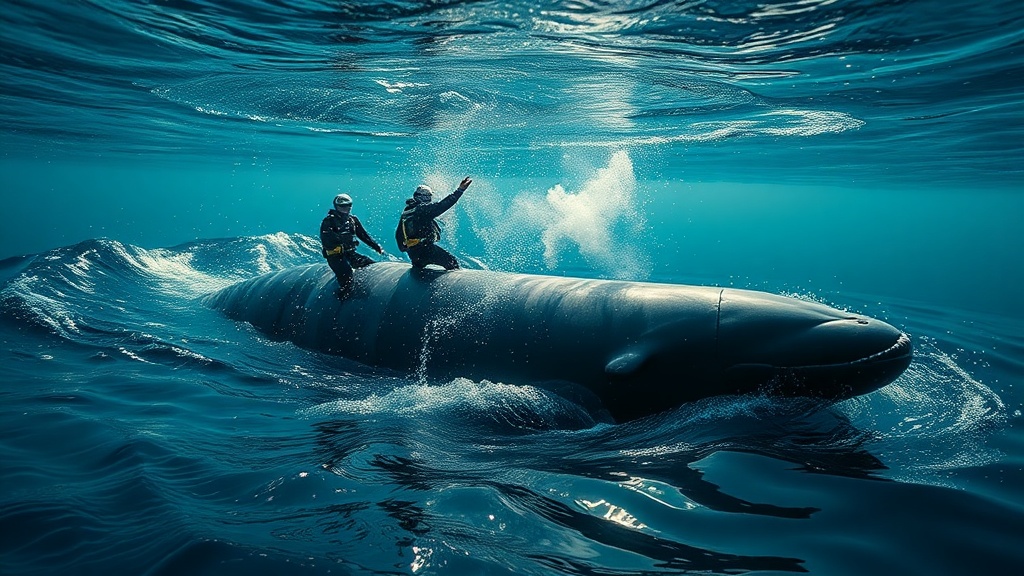
The Whale Entanglement Team operates on the principle of swift response. When a whale is reported entangled, a small, highly trained team boards an inflatable craft to approach the massive animal, often the size of a city bus. These rescues are fraught with danger, as the team must navigate the complexities of freeing the animal without causing additional harm to either the whale or themselves. Since its inception, the team has made significant strides in whale rescue efforts, successfully freeing numerous whales from perilous situations.
In 2008, Marine Life Studies bolstered its rescue capabilities by acquiring rapid response tools and creating a dedicated hotline (877-SOS-Whale) for reporting entangled marine mammals. The organization also produced waterproof guides for marine mammal identification and, in 2015, purchased a 40-foot whale rescue research vessel, enhancing their operational capacity.
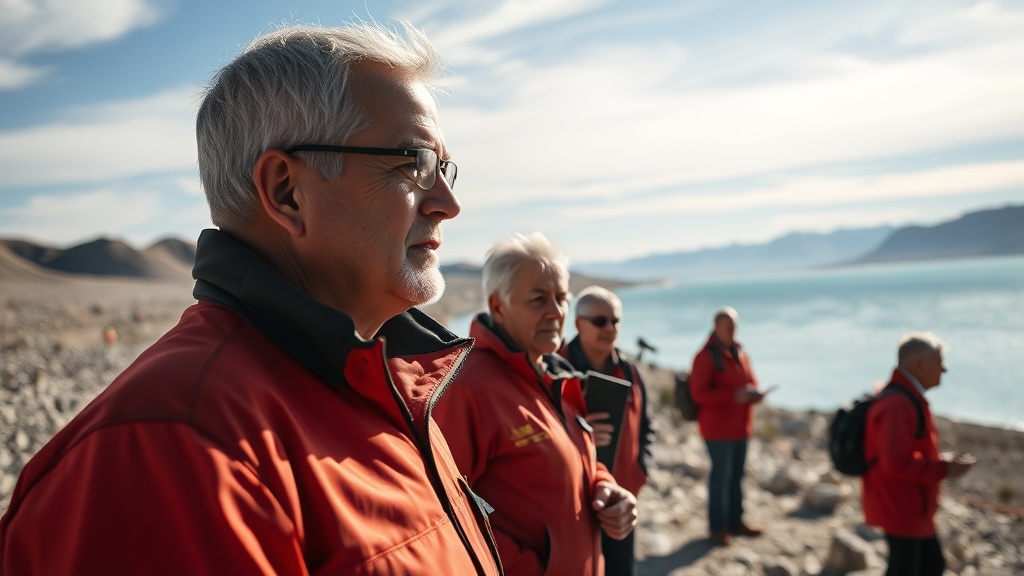
A decade later, the success of the Whale Entanglement Team was celebrated during an open house event at the organization’s new museum and office space on Moss Landing Road. Attendees watched powerful videos showcasing the dramatic rescues of whales, a testament to the dedication and skill of the team members. The event served not only as a celebration of achievements but also as a reminder of Moss Landing’s remarkable transformation from a former whaling port to a center for marine conservation and research.
This ongoing narrative of conservation and community commitment emphasizes the importance of protecting marine life and preserving the delicate balance of ocean ecosystems. As we move forward into a new year, Captain Stap and her team remain resolute in their mission. Their work embodies a spirit of hope and resilience, inspiring others to join the cause of wildlife protection.
In conclusion, the journey from exploitation to conservation in Moss Landing highlights the potential for change and growth in our understanding of marine ecosystems. Organizations like Marine Life Studies are vital in addressing the threats faced by whales and other marine mammals, turning the tide towards a future where wildlife can thrive. As we raise a toast to these efforts, it is clear that the dedication of non-profits like Marine Life Studies is crucial for the protection of our oceans and the remarkable creatures that inhabit them.