Bobcat Spotted on Doorbell Camera in Southern Utah: What to Know
A bobcat spotted on a doorbell camera in Southern Utah raises awareness about wildlife coexistence and safety tips for residents.
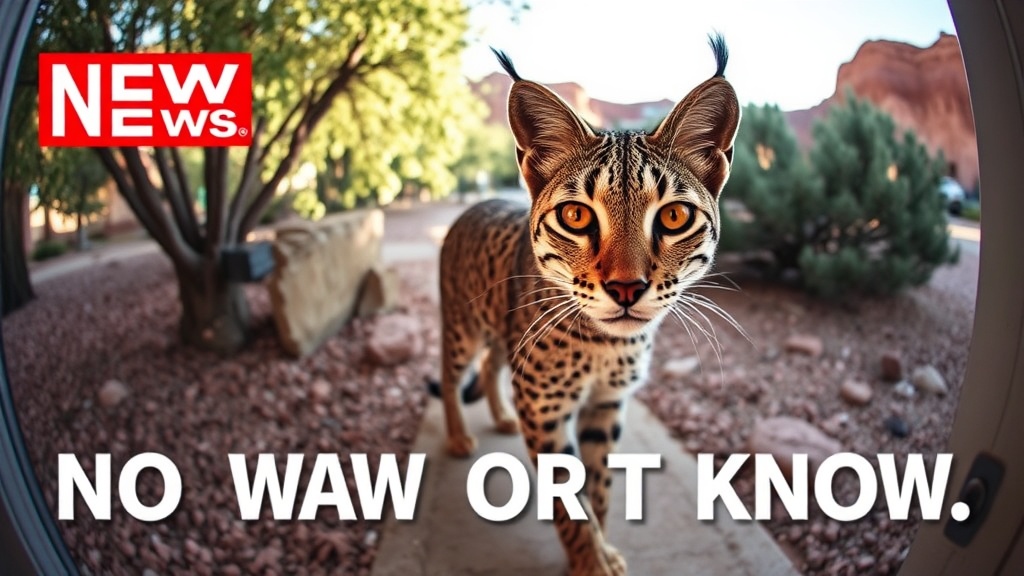
A recent incident in Southern Utah has captured the attention of local residents and wildlife enthusiasts alike, after a doorbell camera recorded footage of a bobcat casually strolling through a neighborhood. The video, which has since gone viral on social media, showcases the elusive nature of these wild cats and raises questions about their presence in urban areas. Wildlife specialists are now offering insights into the behavior of bobcats and how residents can coexist peacefully with these fascinating creatures.
The footage was captured in a suburban area of St. George, a city known for its proximity to natural landscapes and diverse wildlife. The homeowner, who requested to remain anonymous, reported that the bobcat appeared around dusk, moving gracefully through the backyard before disappearing into the nearby bushes. "It was surprising to see such a wild animal so close to our home," the homeowner said. "I always thought of bobcats as creatures of the wilderness, not the neighborhood."
Bobcats (Lynx rufus) are medium-sized wild cats native to North America, recognized for their distinctive tufted ears, short tails, and spotted fur. They typically weigh between 15 to 35 pounds and measure about 30 to 50 inches in length. According to the Utah Division of Wildlife Resources (UDWR), bobcats are highly adaptable and can thrive in a variety of environments, including forests, deserts, and even suburban areas.
Wildlife specialist Dr. Jane Thompson, who works with the UDWR, explained that bobcats are generally shy and elusive animals. "They tend to avoid human contact and are most active during dawn and dusk, which is why sightings in urban areas are relatively rare," she noted. Dr. Thompson also mentioned that these cats play an essential role in the ecosystem by controlling rodent populations. However, as urban development continues to encroach on their habitats, bobcats may be forced to venture closer to human settlements in search of food and shelter.
While bobcats are not considered a threat to humans, the appearance of one in a neighborhood can cause concern for pet owners. Dr. Thompson advised residents to take precautions to protect their pets, particularly small dogs and cats, which may be perceived as prey. "Keeping pets indoors during the evening hours and supervising them while outside can significantly reduce the risk of encounters with bobcats and other wildlife," she suggested.
Residents are also encouraged to secure their trash cans and remove any food sources that may attract wildlife to their properties. "Bobcats are opportunistic feeders and will scavenge if they find an easy meal," Dr. Thompson explained. "By maintaining a clean yard and using secure storage for pet food, you can discourage them from lingering nearby."
Public interest in bobcats has increased in recent years, especially as more homeowners share their wildlife encounters through social media platforms. The viral video from St. George serves as a reminder that even in suburban areas, wildlife is ever-present and adapting to changing landscapes. Experts emphasize the importance of education and awareness to promote coexistence between humans and wildlife.
In light of the bobcat sighting, the UDWR plans to host community workshops aimed at educating residents about local wildlife. These workshops will cover topics such as identifying local species, understanding their behaviors, and learning how to coexist with them safely. Dr. Thompson stated, "Our goal is to empower the community with knowledge so that they can appreciate the wildlife around them while also ensuring their safety and the safety of their pets."
As the urban sprawl continues in Southern Utah, encounters with bobcats and other wildlife are likely to become more common. Residents are urged to remain vigilant and respectful of the natural world, recognizing that these animals were here long before the neighborhoods were developed. By fostering a sense of stewardship and responsibility, communities can create a harmonious relationship with the wildlife that shares their space.
In conclusion, the bobcat captured on the doorbell camera serves as a fascinating reminder of the wildlife that exists in close proximity to urban areas. By understanding their behavior and taking proactive measures, residents can coexist with these majestic creatures while ensuring the safety of both humans and wildlife. The UDWR encourages anyone who spots a bobcat or other wildlife to report their sightings, contributing to valuable data that can help inform conservation efforts in the region.